


Hey there! As a supplier of the 165/3 Horizontal Pipe Stranding Machine, I've got a bunch of insights to share on how to boost its automation level. In today's fast - paced manufacturing world, increasing the automation of this machine can bring significant benefits like higher efficiency, better quality, and lower costs. So, let's dive right in!
1. Upgrade the Control System
The control system is the brain of the 165/3 Horizontal Pipe Stranding Machine. An outdated control system can limit the machine's ability to perform complex tasks automatically. To start with, consider replacing the old control panels with modern Programmable Logic Controllers (PLCs). PLCs are highly versatile and can be easily programmed to handle a wide range of operations.
You can use a PLC to automate the speed control of the stranding process. For instance, you can set different speed profiles for different types of cables being stranded. This way, the machine can adjust its speed automatically based on the input material and the required output specifications.
Moreover, integrating a Human - Machine Interface (HMI) with the PLC can make the operation much more user - friendly. The HMI allows operators to monitor and control the machine's parameters in real - time. They can easily change settings, view production data, and receive alerts in case of any malfunctions. You can find more details about similar advanced control systems in tubular stranding machines on this page: Tubular Stranding Machine.
2. Implement Sensor Technology
Sensors play a crucial role in enhancing the automation of the 165/3 Horizontal Pipe Stranding Machine. There are several types of sensors that can be used.
First, optical sensors can be installed to detect the presence and position of the cables during the stranding process. These sensors can ensure that the cables are fed into the machine at the correct position and orientation. If a cable is misaligned, the sensor can send a signal to the control system, which can then stop the machine or adjust the feeding mechanism.
Secondly, tension sensors are essential for maintaining consistent tension in the cables. Inconsistent tension can lead to poor - quality stranding and even breakage of the cables. By using tension sensors, the machine can automatically adjust the tensioning devices to keep the tension within the desired range.
Also, temperature sensors can be used to monitor the temperature of critical components of the machine, such as the motors and the stranding dies. If the temperature exceeds a certain limit, the machine can be programmed to shut down automatically to prevent damage.
3. Automate the Feeding and Unloading Processes
Manual feeding and unloading of cables can be time - consuming and error - prone. Automating these processes can greatly improve the overall efficiency of the 165/3 Horizontal Pipe Stranding Machine.
For the feeding process, you can install an automated cable feeder. This feeder can be designed to store multiple spools of cables and feed them into the machine one by one. It can be programmed to adjust the feeding speed based on the requirements of the stranding process.
On the unloading side, a robotic arm can be used to remove the stranded cables from the machine and place them on a conveyor belt or in a storage area. This not only saves time but also reduces the risk of human error and injury.
Similar automation of feeding and unloading processes can be seen in other horizontal pipe stranding machines like the 100/12 Horizontal Pipe Stranding Machine.
4. Use Software for Process Monitoring and Optimization
There are various software solutions available that can be used to monitor and optimize the performance of the 165/3 Horizontal Pipe Stranding Machine.
Production monitoring software can collect data from the sensors and the control system in real - time. It can display information such as production speed, number of stranded cables, and the quality of the output. This data can be used to identify bottlenecks in the production process and make necessary adjustments.
Quality control software can analyze the data related to cable quality, such as diameter, twist rate, and insulation thickness. If any deviation from the desired specifications is detected, the software can send an alert to the operator and even adjust the machine settings automatically to correct the issue.
Additionally, predictive maintenance software can be used to predict when the machine components are likely to fail. By analyzing historical data and real - time sensor readings, the software can schedule maintenance activities in advance, reducing the downtime of the machine.
5. Integrate with the Factory Network
Integrating the 165/3 Horizontal Pipe Stranding Machine with the factory network can enable seamless communication and coordination with other machines and systems in the factory.
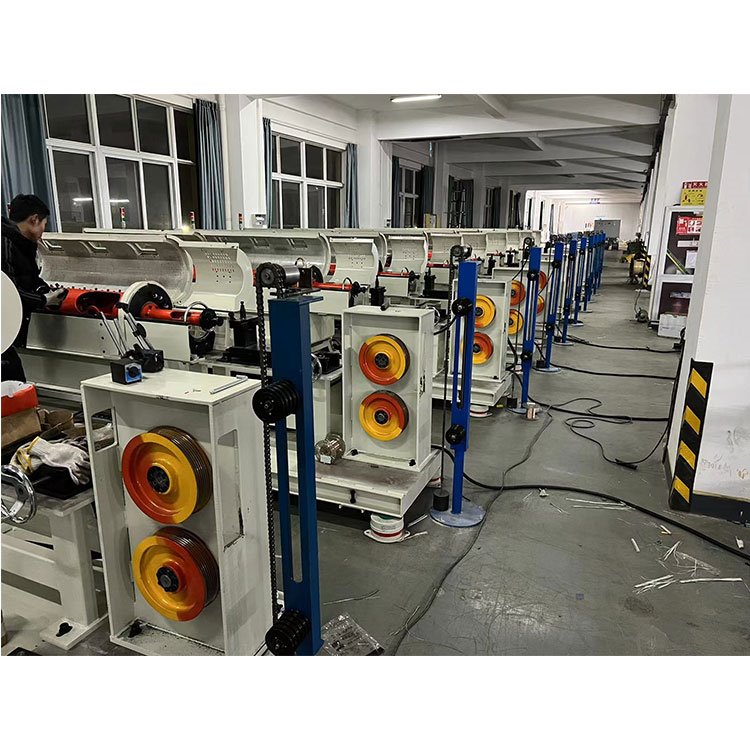
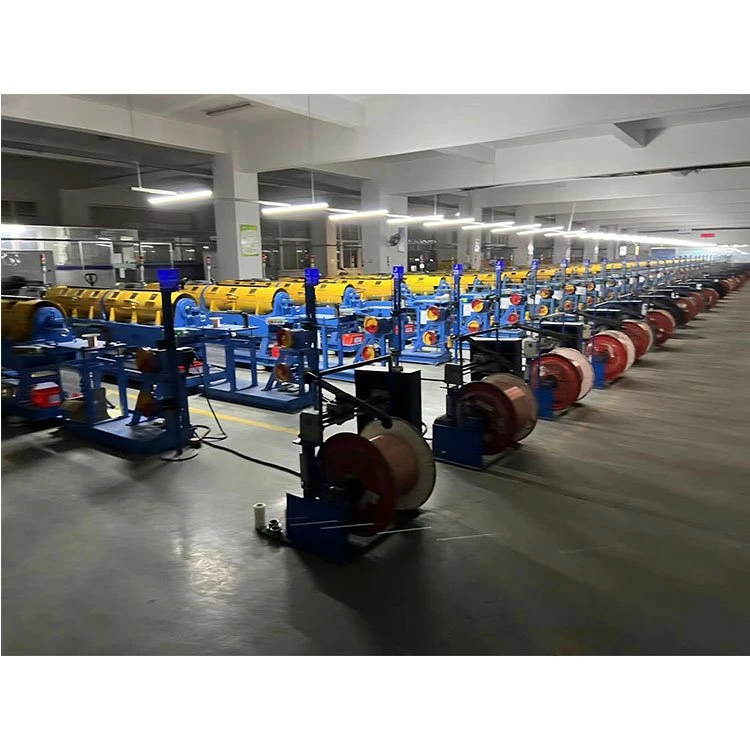
Through the factory network, the machine can receive production orders directly from the production planning system. It can also share its production data with other machines, such as cable cutting machines or packaging machines, to ensure a smooth production flow.
For example, if the stranding machine finishes producing a batch of cables, it can send a signal to the cable cutting machine to start the cutting process. This kind of integration can greatly improve the overall productivity of the factory. Similar network - integrated features can be found in the 200/3 Horizontal Pipe Stranding Machine.
Benefits of Improving Automation
By implementing these measures to improve the automation level of the 165/3 Horizontal Pipe Stranding Machine, you can expect several benefits.
First of all, productivity will increase significantly. Automated processes are generally faster and more consistent than manual ones. The machine can run for longer periods without the need for frequent operator intervention, leading to higher output per hour.
Secondly, the quality of the stranded cables will improve. Automated control systems and sensors can ensure that the cables are stranded with high precision and consistency, reducing the number of defective products.
Cost savings are also a major advantage. With increased productivity and reduced waste, the overall production cost per unit will decrease. Moreover, predictive maintenance can reduce the cost of unexpected breakdowns and repairs.
Conclusion
In conclusion, improving the automation level of the 165/3 Horizontal Pipe Stranding Machine is a smart move for any cable manufacturing company. By upgrading the control system, implementing sensor technology, automating feeding and unloading, using software for monitoring and optimization, and integrating with the factory network, you can achieve higher productivity, better quality, and lower costs.
If you're interested in learning more about how we can help you improve the automation of your 165/3 Horizontal Pipe Stranding Machine or are considering purchasing one, feel free to reach out for a procurement discussion. We're always here to offer our expertise and support to make your production process more efficient.
References
- Industry research reports on cable manufacturing automation
- Technical manuals of Programmable Logic Controllers (PLCs) and related control systems
- Studies on sensor applications in industrial machinery