


In the dynamic landscape of modern manufacturing, the integration of machinery is a crucial strategy for enhancing efficiency, productivity, and overall operational performance. As a leading supplier of the 165/6 Horizontal Pipe Stranding Machine, I am often asked whether this advanced piece of equipment can be seamlessly integrated with other production machinery. In this blog post, I will delve into the technical and practical aspects of integrating the 165/6 Horizontal Pipe Stranding Machine with other production equipment, exploring the benefits, challenges, and best practices.

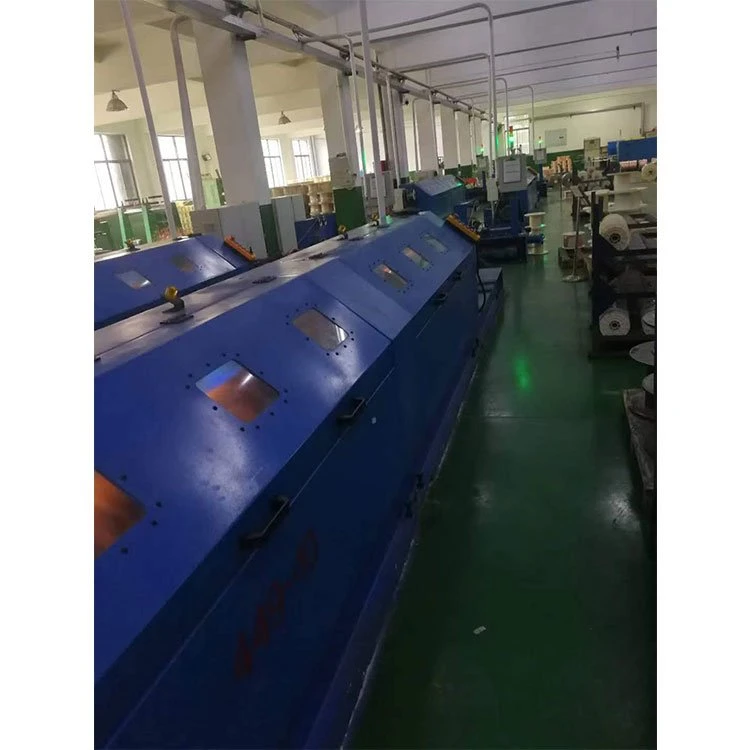
Understanding the 165/6 Horizontal Pipe Stranding Machine
Before discussing integration, it is essential to understand the capabilities and features of the 165/6 Horizontal Pipe Stranding Machine. This machine is designed for the precise stranding of pipes, cables, and other cylindrical products. It offers high-speed operation, accurate tension control, and a robust construction that ensures long-term reliability. The 165/6 model is particularly suitable for medium to large-scale production, with a maximum stranding speed that can significantly boost production throughput.
Benefits of Integration
Integrating the 165/6 Horizontal Pipe Stranding Machine with other production equipment can yield several benefits. Firstly, it can streamline the production process by eliminating manual handling and reducing the time between different manufacturing steps. For example, when integrated with a pre - extrusion line, the machine can receive the raw materials directly, reducing the need for intermediate storage and transportation.
Secondly, integration can improve product quality. By synchronizing the operation of multiple machines, the overall process becomes more consistent, leading to fewer defects and a higher - quality end product. For instance, when combined with a quality control system, the stranding machine can adjust its parameters in real - time based on the feedback received, ensuring that the final product meets the required specifications.
Thirdly, integration can enhance overall productivity. With a well - integrated production line, the entire manufacturing process can run continuously, minimizing downtime and maximizing the utilization of resources. This results in a higher output rate and a more efficient use of labor and materials.
Types of Equipment for Integration
The 165/6 Horizontal Pipe Stranding Machine can be integrated with various types of production equipment. One common type is the wire drawing machine. Wire drawing is often the first step in the production of stranded products. By integrating the stranding machine with a wire drawing machine, the drawn wires can be directly fed into the stranding process, reducing the production cycle time.
Another type of equipment that can be integrated is the extrusion machine. After the stranding process, the stranded product may need to be coated with a protective layer. An integrated extrusion machine can perform this coating process immediately after stranding, ensuring a seamless transition between the two steps.
In addition, the 165/6 Horizontal Pipe Stranding Machine can be integrated with testing and inspection equipment. This can include machines for measuring the diameter, tensile strength, and insulation resistance of the stranded products. By integrating these testing devices, any quality issues can be detected early in the production process, allowing for timely adjustments.
Challenges of Integration
While the benefits of integration are significant, there are also several challenges that need to be addressed. One of the main challenges is the compatibility of different machines. Each machine has its own control system, operating parameters, and communication protocols. Ensuring that these systems can communicate effectively with each other is crucial for successful integration. For example, the 165/6 Horizontal Pipe Stranding Machine may use a specific type of control software, and it needs to be able to exchange data with the control systems of other integrated machines.
Another challenge is the physical layout of the production floor. Integrating multiple machines requires careful planning to ensure that there is enough space for each machine and that the material flow is smooth. In some cases, the existing production facility may need to be modified to accommodate the integrated system.
Cost is also a factor. Integrating machines often requires additional hardware, software, and technical support. The initial investment for integration can be substantial, and companies need to carefully evaluate the return on investment before proceeding.
Best Practices for Integration
To overcome the challenges and achieve successful integration, several best practices should be followed. Firstly, it is important to conduct a detailed feasibility study before starting the integration process. This study should assess the compatibility of the machines, the technical requirements, and the potential benefits.
Secondly, choosing the right partners is crucial. When integrating the 165/6 Horizontal Pipe Stranding Machine with other equipment, it is advisable to work with suppliers who have experience in system integration. These partners can provide technical support, training, and after - sales service to ensure the smooth operation of the integrated system.
Thirdly, implementing a proper communication protocol is essential. A common communication standard should be established to ensure that all machines can exchange data effectively. This may involve using industrial Ethernet, Profibus, or other widely - accepted communication protocols.
Examples of Successful Integration
There are many examples of successful integration of the 165/6 Horizontal Pipe Stranding Machine with other production equipment. For instance, a cable manufacturing company integrated the 165/6 machine with a 250/3 Horizontal Pipe Stranding Machine and a post - extrusion cooling system. By doing so, they were able to increase their production capacity by 30% while reducing the defect rate by 20%.
Another example is a pipe manufacturing plant that integrated the 165/6 machine with a 120/3 Horizontal Pipe Stranding Machine and a packaging line. This integration allowed them to automate the entire production process from raw material input to the final packaged product, significantly improving efficiency and reducing labor costs.
Conclusion
In conclusion, the 165/6 Horizontal Pipe Stranding Machine can indeed be integrated with other production equipment, and the benefits of such integration are substantial. However, it is important to carefully consider the challenges and follow the best practices to ensure a successful integration. By doing so, manufacturers can enhance their productivity, improve product quality, and gain a competitive edge in the market.
If you are interested in learning more about the 165/6 Horizontal Pipe Stranding Machine or exploring the possibilities of integration for your production line, please feel free to reach out. Our team of experts is ready to assist you in finding the most suitable solutions for your specific needs.
References
- "Industrial Automation: A Comprehensive Guide", Publisher: XYZ Publications, Year: 20XX
- "Advanced Manufacturing Technologies for Cable and Pipe Production", Author: John Doe, Year: 20XX