


As a reputable supplier of wire stranding machines, I understand the critical role that speed sensors play in the efficient and accurate operation of these machines. A well-calibrated speed sensor ensures that the wire stranding process is consistent, producing high-quality stranded wires with the desired specifications. In this blog post, I will share a comprehensive guide on how to calibrate the speed sensor in a wire stranding machine, drawing on my experience in the industry.
Understanding the Importance of Speed Sensor Calibration
Before delving into the calibration process, it's essential to understand why speed sensor calibration is so crucial. In a wire stranding machine, the speed sensor measures the rotational speed of the machine's components, such as the capstan or the stranding head. This information is used to control the speed and tension of the wires during the stranding process.
If the speed sensor is not calibrated correctly, it can lead to several issues. For example, inaccurate speed readings can result in inconsistent stranding pitch, which affects the electrical and mechanical properties of the stranded wire. Additionally, incorrect speed control can cause excessive tension or slack in the wires, leading to breakages or unevenly stranded products. Therefore, regular calibration of the speed sensor is necessary to maintain the quality and efficiency of the wire stranding process.
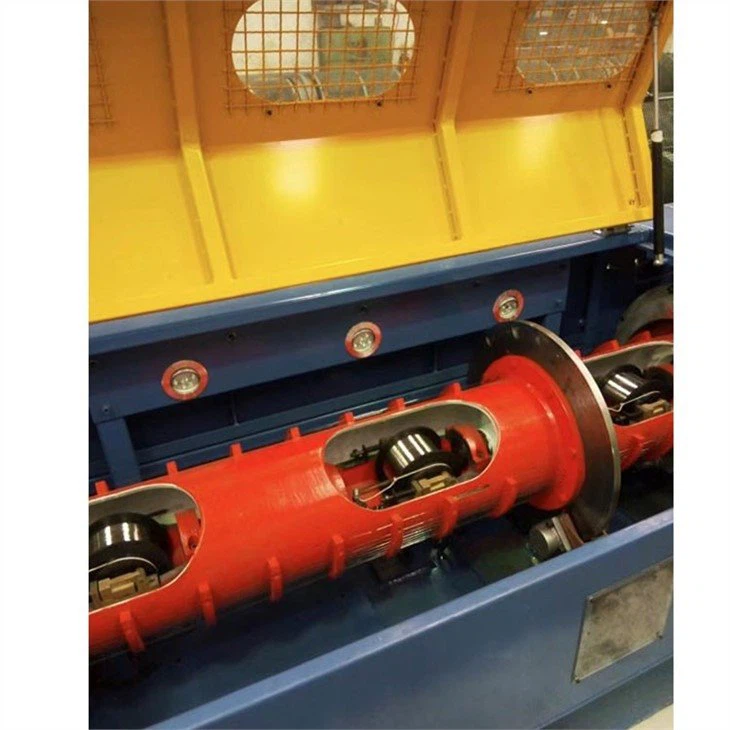

Pre - calibration Checks
Before starting the calibration process, it's important to perform a series of pre - calibration checks to ensure the safety and accuracy of the procedure.
- Visual Inspection: Examine the speed sensor for any visible signs of damage, such as cracks, loose connections, or worn - out parts. Check the wiring harness for any frayed wires or loose terminals. A damaged sensor or wiring can affect the accuracy of the speed readings.
- Cleaning: Clean the speed sensor and its surrounding area to remove any dirt, dust, or debris. Accumulated contaminants can interfere with the sensor's operation and cause inaccurate readings. Use a soft, dry cloth to wipe the sensor and a compressed air gun to blow out any debris from hard - to - reach areas.
- Check Machine Operation: Run the wire stranding machine at a low speed to ensure that it is operating smoothly. Listen for any unusual noises or vibrations, which could indicate a problem with the machine or the speed sensor. If any issues are detected, address them before proceeding with the calibration.
Calibration Tools
To calibrate the speed sensor in a wire stranding machine, you will need the following tools:
- Tachometer: A tachometer is a device used to measure the rotational speed of a shaft or a rotating component. It provides a reference speed for comparison with the speed readings from the speed sensor. Make sure the tachometer is calibrated and accurate.
- Multimeter: A multimeter is used to measure electrical parameters such as voltage, current, and resistance. It can be used to check the electrical output of the speed sensor and ensure that it is within the specified range.
- Screwdrivers and Wrenches: These tools are used to access and adjust the speed sensor and its mounting components. Make sure you have the appropriate sizes of screwdrivers and wrenches for your specific wire stranding machine.
Calibration Procedure
The following is a step - by - step guide on how to calibrate the speed sensor in a wire stranding machine:
- Locate the Speed Sensor: The speed sensor is usually located near the rotating component that it is measuring, such as the capstan or the stranding head. Refer to the machine's manual to find the exact location of the speed sensor.
- Connect the Tachometer: Attach the tachometer to the rotating component to measure its actual speed. Make sure the tachometer is securely attached and that it is measuring the speed accurately.
- Power On the Machine: Start the wire stranding machine and let it reach a stable operating speed. It's recommended to choose a speed that is within the normal operating range of the machine for calibration purposes.
- Read the Speed Sensor Output: Use a multimeter to measure the electrical output of the speed sensor. The output is usually in the form of a voltage or a frequency signal. Refer to the machine's manual to determine the expected output range for the given speed.
- Compare Readings: Compare the speed reading from the tachometer with the speed reading calculated from the speed sensor output. If there is a significant difference between the two readings, the speed sensor needs to be calibrated.
- Adjust the Sensor: Most speed sensors have adjustment screws or potentiometers that can be used to calibrate the output. Use a screwdriver to make small adjustments to the sensor. Make sure to make incremental adjustments and re - check the speed readings after each adjustment.
- Repeat the Process: Continue to adjust the speed sensor and compare the readings until the difference between the tachometer reading and the speed sensor reading is within an acceptable tolerance. The acceptable tolerance may vary depending on the specific requirements of the wire stranding process, but generally, it should be within ±1 - 2%.
- Verify Calibration: After making the adjustments, run the machine at different speeds and check the speed readings again. The speed sensor should provide accurate readings across the entire operating range of the machine.
Troubleshooting during Calibration
During the calibration process, you may encounter some common issues. Here are some troubleshooting tips:
- No Output from the Sensor: If the multimeter shows no output from the speed sensor, check the wiring connections. Make sure the sensor is properly connected to the power supply and the control system. Also, check for any blown fuses or tripped circuit breakers.
- Inconsistent Readings: Inconsistent speed readings can be caused by a loose sensor, a damaged wiring harness, or a problem with the rotating component. Check the sensor's mounting and tighten any loose screws. Inspect the wiring harness for any damage and replace it if necessary. If the problem persists, there may be an issue with the rotating component, such as a worn - out bearing or a misaligned shaft.
- Difficulty in Adjusting the Sensor: If you are having trouble adjusting the speed sensor to get accurate readings, it may be due to a faulty sensor. In this case, it's recommended to replace the speed sensor with a new one.
Our Wire Stranding Machines
At our company, we offer a wide range of high - quality wire stranding machines, including the 250/9 Horizontal Pipe Stranding Machine, 250/6 Horizontal Pipe Stranding Machine, and 50/3 Horizontal Pipe Stranding Machine. These machines are designed with advanced speed sensors and control systems to ensure accurate and efficient wire stranding. Our technical support team is always available to assist you with the calibration and maintenance of the speed sensors in our machines.
Conclusion
Calibrating the speed sensor in a wire stranding machine is a crucial task that ensures the quality and efficiency of the wire stranding process. By following the pre - calibration checks, using the right tools, and following the step - by - step calibration procedure, you can maintain the accuracy of the speed sensor and produce high - quality stranded wires. If you have any questions or need further assistance with speed sensor calibration or if you are interested in purchasing a wire stranding machine, please feel free to contact us for a consultation. We are committed to providing you with the best solutions for your wire stranding needs.
References
- "Wire Stranding Machine Operation and Maintenance Manual"
- "Speed Sensor Technology and Calibration Guidelines"
- Industry whitepapers on wire stranding technology