


Electromagnetic compatibility (EMC) is a critical aspect in the design and operation of electrical and electronic equipment, including the 100/12 Horizontal Pipe Stranding Machine. As a leading supplier of this machine, I understand the importance of EMC in ensuring the reliable and efficient performance of our equipment. In this blog post, I will delve into what electromagnetic compatibility means for the 100/12 Horizontal Pipe Stranding Machine, its significance, and how we address EMC challenges in our products.
Understanding Electromagnetic Compatibility
Electromagnetic compatibility refers to the ability of an electrical or electronic device to function properly in its electromagnetic environment without causing interference to other devices and without being affected by the electromagnetic emissions of other devices. In the context of the 100/12 Horizontal Pipe Stranding Machine, EMC encompasses two main aspects: electromagnetic interference (EMI) and electromagnetic susceptibility (EMS).
Electromagnetic Interference (EMI)
EMI is the phenomenon where an electrical or electronic device generates electromagnetic emissions that can interfere with the normal operation of other devices in the vicinity. These emissions can be in the form of radiated emissions (electromagnetic waves that propagate through space) or conducted emissions (electrical currents that flow through power lines or signal cables).
In the 100/12 Horizontal Pipe Stranding Machine, EMI can be generated by various components, such as motors, drives, control systems, and power supplies. For example, the high - speed rotation of the motors can produce electromagnetic fields that radiate into the surrounding environment. If these emissions are not properly controlled, they can interfere with other sensitive electronic equipment in the factory, such as communication systems, sensors, and control panels.
Electromagnetic Susceptibility (EMS)
EMS, on the other hand, refers to the susceptibility of a device to the electromagnetic emissions of other devices. A device with poor EMS may experience malfunctions or degraded performance when exposed to electromagnetic interference from other sources.
The 100/12 Horizontal Pipe Stranding Machine may be exposed to various sources of electromagnetic interference in its operating environment, such as radio frequency signals from nearby transmitters, electrical noise from other machinery, and electrostatic discharges. If the machine is not designed to be immune to these interferences, it may experience issues such as incorrect strand formation, inaccurate tension control, or even system failures.
Significance of EMC in the 100/12 Horizontal Pipe Stranding Machine
The importance of EMC in the 100/12 Horizontal Pipe Stranding Machine cannot be overstated. Here are some key reasons why EMC is crucial for this equipment:
Reliability and Performance
A machine with good EMC characteristics is more reliable and performs better. By minimizing EMI, we can ensure that the 100/12 Horizontal Pipe Stranding Machine does not interfere with other equipment in the factory, reducing the risk of production disruptions and costly downtime. At the same time, by improving EMS, the machine can operate stably in the presence of various electromagnetic interferences, maintaining consistent product quality and production efficiency.
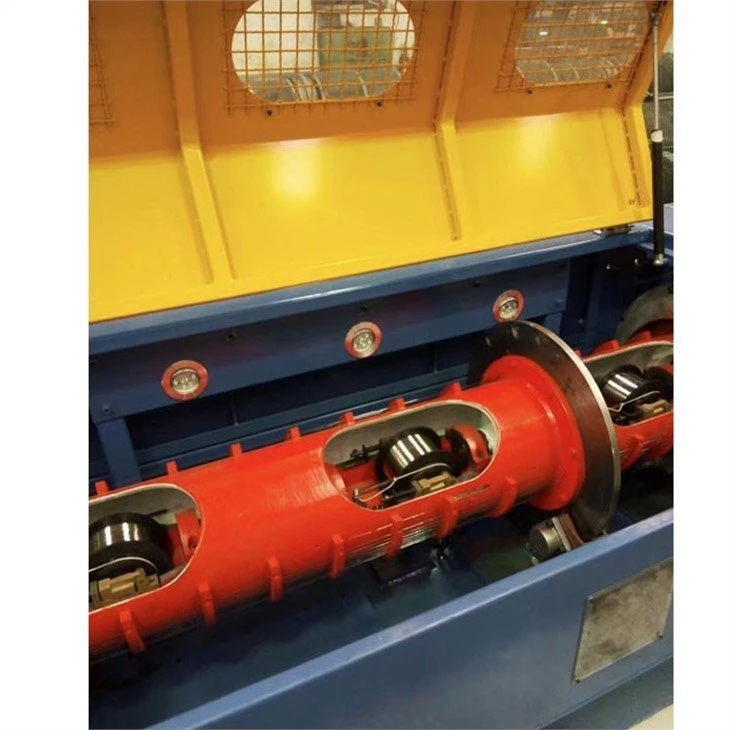
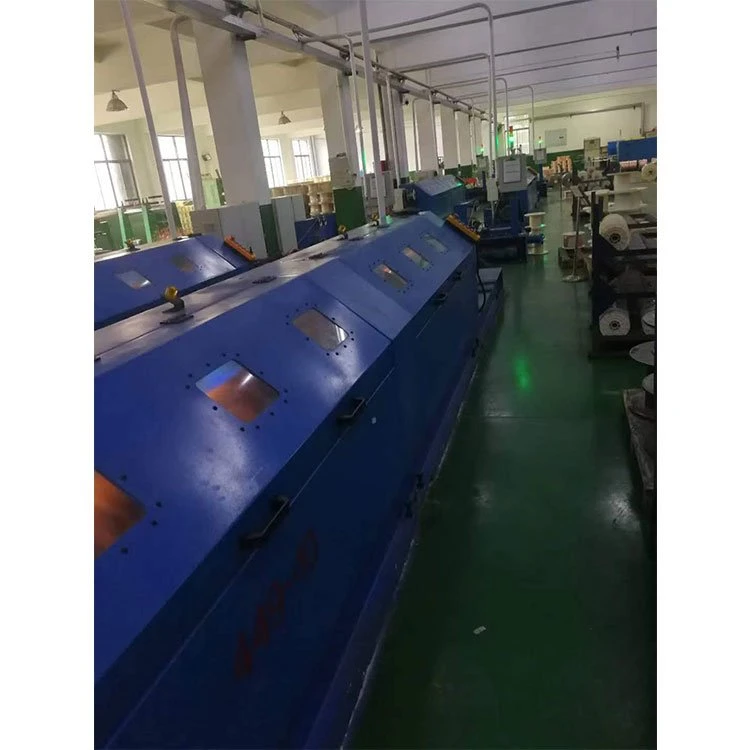
Compliance with Standards
Many countries and regions have established strict EMC standards and regulations for electrical and electronic equipment. Compliance with these standards is not only a legal requirement but also a sign of product quality and safety. As a supplier of the 100/12 Horizontal Pipe Stranding Machine, we ensure that our products meet all relevant EMC standards, which gives our customers confidence in our equipment and helps them avoid potential legal issues.
Safety
EMC is also related to the safety of the equipment and the operators. Excessive electromagnetic emissions can pose a safety hazard, such as interfering with the operation of safety - critical systems or causing electrical shocks. By controlling EMI and improving EMS, we can enhance the safety of the 100/12 Horizontal Pipe Stranding Machine and protect the well - being of the operators.
Addressing EMC Challenges in the 100/12 Horizontal Pipe Stranding Machine
As a supplier, we take a comprehensive approach to address EMC challenges in the 100/12 Horizontal Pipe Stranding Machine. Here are some of the key measures we implement:
Design Optimization
We start by optimizing the design of the machine to minimize electromagnetic emissions. This includes selecting low - EMI components, such as motors and drives with good electromagnetic shielding, and arranging the components in a way that reduces electromagnetic coupling. For example, we separate power circuits from signal circuits to prevent the transfer of electrical noise.
Shielding
Shielding is an effective way to reduce radiated emissions. We use electromagnetic shielding materials, such as metal enclosures and shields, to enclose sensitive components and prevent the leakage of electromagnetic fields. The shielding materials are carefully selected and installed to ensure maximum effectiveness.
Filtering
Filtering is used to reduce conducted emissions. We install filters on power lines and signal cables to suppress electrical noise and prevent it from propagating through the cables. These filters are designed to have specific frequency responses to target the frequencies of the emissions generated by the machine.
Grounding
Proper grounding is essential for EMC. We ensure that the 100/12 Horizontal Pipe Stranding Machine has a good grounding system to provide a low - impedance path for electrical currents. This helps to dissipate electrical charges and reduce the risk of electrostatic discharges and electromagnetic interference.
Comparison with Other Horizontal Pipe Stranding Machines
In addition to the 100/12 Horizontal Pipe Stranding Machine, we also offer a range of other horizontal pipe stranding machines, such as the 50/3 Horizontal Pipe Stranding Machine, 200/36 Horizontal Pipe Stranding Machine, and 250/3 Horizontal Pipe Stranding Machine. While the basic principles of EMC apply to all these machines, the specific EMC requirements and challenges may vary depending on the size, capacity, and application of the machine.
For example, larger machines with more powerful motors and complex control systems may generate higher levels of electromagnetic emissions and require more advanced EMC solutions. However, our design and manufacturing processes are flexible enough to address the unique EMC needs of each machine, ensuring that all our products meet the highest standards of electromagnetic compatibility.
Conclusion
In conclusion, electromagnetic compatibility is a vital aspect of the 100/12 Horizontal Pipe Stranding Machine. It affects the reliability, performance, compliance, and safety of the equipment. As a supplier, we are committed to providing high - quality machines with excellent EMC characteristics. Through design optimization, shielding, filtering, and grounding, we ensure that our 100/12 Horizontal Pipe Stranding Machine can operate smoothly in its electromagnetic environment without causing interference to other devices and without being affected by external electromagnetic emissions.
If you are interested in our 100/12 Horizontal Pipe Stranding Machine or any of our other products, we invite you to contact us for further information and to discuss your specific requirements. Our team of experts is ready to assist you in finding the best solution for your production needs.
References
- International Electrotechnical Commission (IEC). "Electromagnetic compatibility (EMC) standards."
- Federal Communications Commission (FCC). "EMC regulations for electrical and electronic equipment."
- Various industry - specific EMC guidelines and best practices.