


Adjusting the speed of a 100/12 Horizontal Pipe Stranding Machine is a crucial aspect of ensuring efficient and high - quality cable production. As a supplier of the 100/12 Horizontal Pipe Stranding Machine, I understand the significance of this process and the challenges that operators may face. In this blog, I will share some insights on how to adjust the speed of this machine effectively.
Understanding the 100/12 Horizontal Pipe Stranding Machine
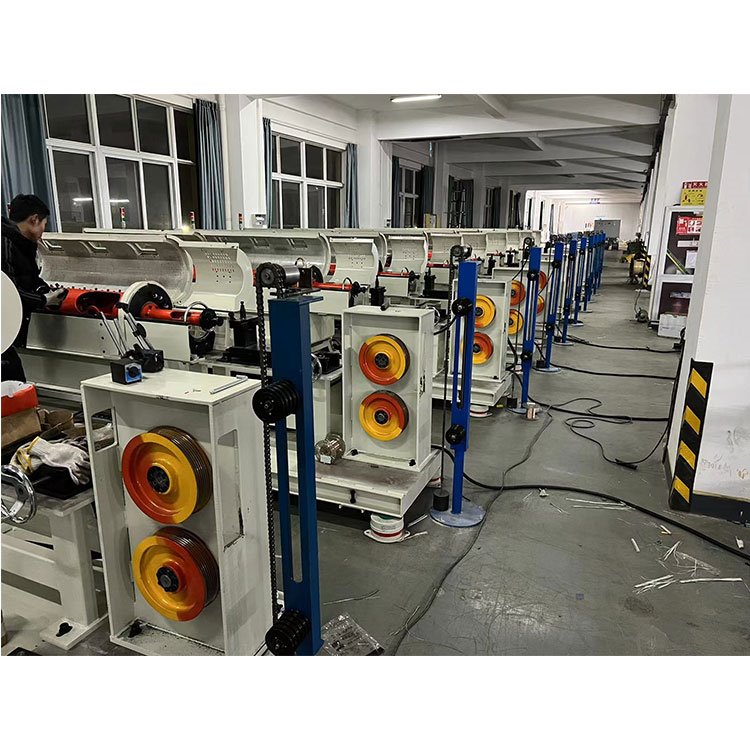
Before delving into speed adjustment, it is essential to have a basic understanding of the 100/12 Horizontal Pipe Stranding Machine. This machine is designed for stranding multiple wires or cables together in a tubular configuration. The "100/12" indicates certain specifications related to the machine's capacity and the number of wire - feeding positions. It is a complex piece of equipment that consists of various components such as pay - off stands, a stranding cage, a take - up unit, and a control system.
Factors Affecting the Speed Adjustment
Several factors need to be considered when adjusting the speed of the 100/12 Horizontal Pipe Stranding Machine:
1. Wire Material and Diameter
Different wire materials have different mechanical properties. For example, copper wires are more ductile than aluminum wires. Thicker wires also require more force to strand compared to thinner ones. If the wire material is brittle or the diameter is large, the machine may need to run at a slower speed to avoid wire breakage during the stranding process.
2. Stranding Pitch
The stranding pitch is the distance along the axis of the stranded cable for one complete twist. A smaller stranding pitch requires more precise movement and generally slower machine speed. Operators need to adjust the speed according to the required stranding pitch of the final product.
3. Machine Capacity and Load
The 100/12 Horizontal Pipe Stranding Machine has a maximum capacity in terms of the number of wires it can strand simultaneously and the overall load it can handle. Overloading the machine by running it at a high speed with too many wires or thick wires can lead to mechanical failures and poor product quality.
Steps for Speed Adjustment
Step 1: Pre - operation Inspection
Before making any speed adjustments, conduct a thorough pre - operation inspection of the machine. Check all the components for proper installation and lubrication. Ensure that the pay - off stands are loaded with the correct wires and that the tension of the wires is uniform.
Step 2: Set the Initial Speed
Based on the wire material, diameter, and the required stranding pitch, set an initial speed on the machine's control panel. As a general rule, start with a relatively low speed, especially if you are using a new type of wire or if the machine has been recently serviced.
Step 3: Monitor the Stranding Process
Once the machine starts running, closely monitor the stranding process. Observe the quality of the stranded cable, including the uniformity of the stranding pitch, the tightness of the wires, and the absence of wire breakage. If you notice any issues such as loose wires or excessive vibration, it may indicate that the speed is too high.
Step 4: Make Incremental Adjustments
If the stranding process is running smoothly, you can gradually increase the speed in small increments. After each increment, wait for a short period to allow the machine to stabilize and then check the quality of the stranded cable again. Keep adjusting the speed until you reach the optimal balance between speed and product quality.
Step 5: Record the Settings
It is important to record the final speed settings along with other relevant parameters such as wire material, diameter, and stranding pitch. This record can be used as a reference for future production runs with similar products.
Comparison with Other Horizontal Pipe Stranding Machines
In the market, there are other types of horizontal pipe stranding machines, such as the 200/6 Horizontal Pipe Stranding Machine. The speed adjustment principles for these machines are similar, but there are also some differences.
The 200/6 machine has a different capacity and configuration compared to the 100/12 machine. It may be more suitable for applications where a larger number of thinner wires need to be stranded. The speed adjustment for the 200/6 machine may need to be more precise due to the larger number of wire - feeding positions. However, the basic factors such as wire material, stranding pitch, and machine load still play important roles in determining the optimal speed.
Using the Control System for Speed Adjustment
The control system of the 100/12 Horizontal Pipe Stranding Machine is the key to accurate speed adjustment. Most modern machines are equipped with advanced control panels that allow operators to input specific speed values and monitor various parameters in real - time.
1. Digital Control
The digital control system provides a high level of accuracy. Operators can enter the desired speed directly on the control panel, and the machine will adjust its operation accordingly. Some control systems also have the function of storing multiple speed settings for different products, which can significantly improve production efficiency.
2. Feedback Mechanisms
The control system often includes feedback mechanisms such as sensors that measure the actual speed of the machine and the tension of the wires. If there is a deviation between the set speed and the actual speed, the control system can automatically make adjustments to maintain the desired speed.
Troubleshooting Speed - related Issues
Even with proper speed adjustment, operators may encounter some speed - related issues:
1. Speed Fluctuations
Speed fluctuations can be caused by problems with the power supply, a malfunctioning motor, or a loose belt in the transmission system. Operators should check the power source for stability, inspect the motor for any signs of overheating or abnormal noise, and ensure that all belts are properly tightened.

2. Inability to Reach the Set Speed
If the machine cannot reach the set speed, it may be due to an overloaded machine, a blocked component, or a problem with the control system. Check the wire - feeding positions for any blockages, and review the control system settings to ensure that there are no errors.
Conclusion
Adjusting the speed of the 100/12 Horizontal Pipe Stranding Machine is a multi - faceted process that requires a good understanding of the machine, the wire materials, and the final product requirements. By considering the factors mentioned above, following the proper adjustment steps, and using the control system effectively, operators can achieve optimal speed and high - quality stranding results.
As a supplier of the 100/12 Horizontal Pipe Stranding Machine, we are committed to providing our customers with not only high - quality machines but also comprehensive technical support. If you are in the cable production industry and are interested in our Tubular Stranding Machine, please feel free to contact us for more information and to discuss your specific requirements. We look forward to the opportunity to cooperate with you and help you improve your production efficiency.
References
- Cable Manufacturing Handbook: Technology, Engineering, and Tools.
- Industrial Machinery Operation and Maintenance Manual for Horizontal Pipe Stranding Machines.