


As a supplier of the 200/9 Horizontal Pipe Stranding Machine, I've received numerous inquiries regarding vibration issues. In this blog, I'll share some practical tips on how to deal with these vibration problems.
Understanding the Causes of Vibration
Before we jump into solutions, it's crucial to understand why the 200/9 Horizontal Pipe Stranding Machine vibrates. There are several common causes:
- Unbalanced Rotating Parts: Over time, the rotating parts of the machine can become unbalanced. This could be due to wear and tear, or the accumulation of debris. For example, if the stranding heads are not evenly loaded, it can cause an imbalance and lead to vibration.
- Loose Components: Loose bolts, nuts, or other components can also cause vibration. These parts can come loose during normal operation, especially if the machine is running at high speeds.
- Improper Installation: If the machine is not installed correctly, it can lead to vibration. This includes issues such as uneven flooring, incorrect alignment, or improper leveling.
- Worn Bearings: Bearings are essential for smooth operation. When they wear out, they can cause the machine to vibrate. This is often accompanied by increased noise and reduced efficiency.
Diagnostic Steps
Once you suspect a vibration problem, it's important to diagnose the issue accurately. Here are some steps you can take:
- Visual Inspection: Start by visually inspecting the machine. Look for any loose components, signs of wear and tear, or debris. Check the stranding heads, bearings, and belts for any obvious problems.
- Listen to the Machine: Pay attention to the noise the machine is making. Different types of vibrations can produce different sounds. For example, a high-pitched whining sound may indicate a problem with the bearings, while a rattling sound could suggest loose components.
- Use Vibration Analysis Tools: There are various vibration analysis tools available on the market. These tools can help you measure the amplitude and frequency of the vibration, which can provide valuable information about the source of the problem.
Solutions to Vibration Problems
Balancing Rotating Parts
- Dynamic Balancing: If the rotating parts are unbalanced, you may need to perform dynamic balancing. This involves using a balancing machine to measure the imbalance and then adding or removing weight to correct it.
- Regular Maintenance: To prevent imbalance from occurring in the first place, it's important to perform regular maintenance. This includes cleaning the rotating parts, checking for wear and tear, and replacing any damaged components.
Tightening Loose Components
- Inspect and Tighten: Regularly inspect all the bolts, nuts, and other components on the machine. If you find any that are loose, tighten them immediately. Use a torque wrench to ensure that the components are tightened to the correct specifications.
- Locking Devices: Consider using locking devices such as lock washers or thread-locking compounds to prevent the components from coming loose again.
Correcting Installation Issues
- Leveling and Alignment: If the machine is not level or properly aligned, it can cause vibration. Use a spirit level to check the level of the machine and make any necessary adjustments. You may also need to use alignment tools to ensure that the machine is properly aligned.
- Flooring: Make sure the machine is installed on a stable and level surface. If the flooring is uneven, you may need to use shims or other leveling devices to correct it.
Replacing Worn Bearings
- Regular Inspection: Regularly inspect the bearings for signs of wear and tear. Look for things like excessive play, noise, or heat. If you notice any of these signs, it's time to replace the bearings.
- Proper Installation: When replacing the bearings, make sure to install them correctly. Follow the manufacturer's instructions and use the proper tools.
Preventive Measures
In addition to solving the current vibration problem, it's important to take preventive measures to avoid future issues. Here are some tips:
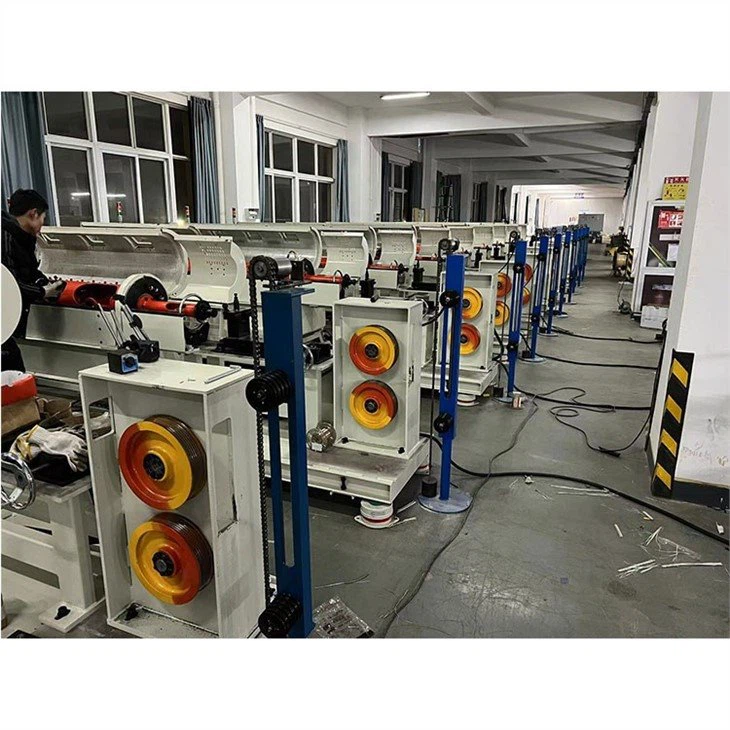

- Regular Maintenance: Establish a regular maintenance schedule for the machine. This should include tasks such as cleaning, lubrication, and inspection. By performing these tasks regularly, you can catch potential problems before they become serious.
- Operator Training: Make sure your operators are properly trained on how to use the machine. This includes understanding the correct operating procedures, as well as how to identify and report any potential problems.
- Quality Components: Use high-quality components when replacing parts on the machine. This can help to ensure the long-term reliability and performance of the machine.
Related Products
If you're interested in other horizontal pipe stranding machines, we also offer the 80/12 Horizontal Pipe Stranding Machine and the 50/3 Horizontal Pipe Stranding Machine. These machines are designed to meet different production needs and offer high-quality performance. You can also check out our 50/3 Horizontal Pipe Stranding Machine factory for more information.
Contact Us
If you're experiencing vibration problems with your 200/9 Horizontal Pipe Stranding Machine or are interested in purchasing one of our machines, feel free to contact us. We have a team of experts who can provide you with professional advice and solutions.
References
- Manufacturer's manual for the 200/9 Horizontal Pipe Stranding Machine
- Industry standards for horizontal pipe stranding machines
- Technical articles on vibration analysis and troubleshooting