


The electrical conductivity of stranded wires is a critical parameter in various electrical and electronic applications. It determines how efficiently an electrical current can flow through the wire, which in turn affects the performance and energy efficiency of the overall system. As a supplier of the 120/3 Horizontal Pipe Stranding Machine, I am often asked about how this machine impacts the electrical conductivity of the stranded wires it produces. In this blog post, I will delve into the technical details of the 120/3 Horizontal Pipe Stranding Machine and explain its influence on the electrical conductivity of stranded wires.
Understanding the 120/3 Horizontal Pipe Stranding Machine
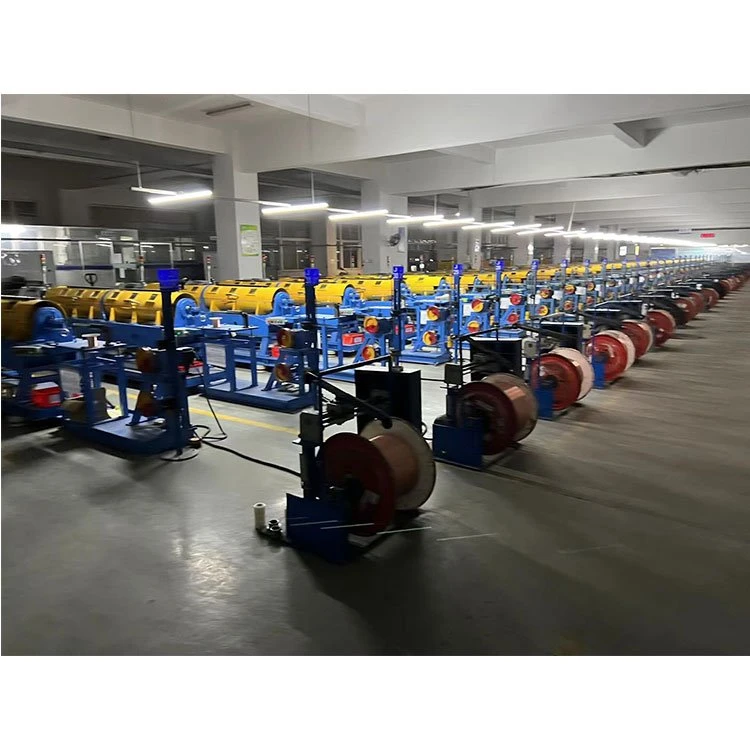
The 120/3 Horizontal Pipe Stranding Machine is a sophisticated piece of equipment designed for the production of high - quality stranded wires. It is named as such because it can handle up to 120 individual wires and has a specific stranding configuration related to the number 3 (which might refer to the number of layers or a particular stranding pattern). This machine operates in a horizontal orientation, which provides several advantages in terms of stability, ease of operation, and the ability to produce long lengths of stranded wires.
One of the key features of the 120/3 Horizontal Pipe Stranding Machine is its precise control over the stranding process. It can accurately control the tension, speed, and pitch of the stranding operation. These parameters are crucial as they directly affect the physical structure of the stranded wires, which in turn has a significant impact on their electrical conductivity.
The Relationship between Stranding Structure and Electrical Conductivity
The way the individual wires are stranded together plays a vital role in determining the electrical conductivity of the final product. When wires are stranded, the contact area between the individual wires and the overall shape of the stranded bundle change. A well - stranded wire will have a more uniform distribution of current, which is essential for good electrical conductivity.
The 120/3 Horizontal Pipe Stranding Machine ensures a consistent stranding pitch. The stranding pitch is the distance over which the individual wires complete one full rotation around the central axis of the stranded bundle. A consistent pitch helps to evenly distribute the electrical current across all the individual wires. If the pitch is too large, there may be uneven current distribution, leading to higher resistance in some parts of the wire bundle. On the other hand, if the pitch is too small, the wires may be overly compressed, which can also increase resistance due to mechanical stress on the wires.
Another aspect is the tension control during the stranding process. The 120/3 Horizontal Pipe Stranding Machine can maintain a uniform tension on each individual wire. This is important because if the tension varies from wire to wire, some wires may be loose while others are tight. Loose wires may not make proper contact with adjacent wires, resulting in poor electrical conduction at the contact points. In contrast, a uniform tension ensures that all wires are in good contact with each other, facilitating the smooth flow of electrical current.
Impact of Material Selection and the 120/3 Horizontal Pipe Stranding Machine
The choice of wire material is also a significant factor in determining electrical conductivity. Commonly used materials for electrical wires include copper and aluminum, both known for their high conductivity. The 120/3 Horizontal Pipe Stranding Machine is compatible with a wide range of wire materials and can handle different wire diameters.
When using different materials, the machine's settings can be adjusted to optimize the stranding process. For example, copper wires are more ductile than aluminum wires. The 120/3 Horizontal Pipe Stranding Machine can adjust the tension and speed settings to accommodate the specific properties of each material. This ensures that the stranding process does not damage the wires, which could otherwise lead to a decrease in electrical conductivity.
Comparison with Other Stranding Machines
To better understand the advantages of the 120/3 Horizontal Pipe Stranding Machine, it is useful to compare it with other similar machines in the market. For instance, the 50/3 Horizontal Pipe Stranding Machine has a lower capacity in terms of the number of individual wires it can handle. This means that it may be more suitable for smaller - scale production or applications where a lower number of strands are required. However, the 120/3 Horizontal Pipe Stranding Machine, with its higher capacity, can produce stranded wires with a larger number of strands, which can lead to better current - carrying capacity and potentially higher electrical conductivity in some cases.
The Cable Stranding Machine is a more general term, and there are various types available. The 120/3 Horizontal Pipe Stranding Machine offers more precise control over the stranding process compared to some basic cable stranding machines. This precision is crucial for ensuring consistent electrical conductivity in the stranded wires.
The 165/18 Horizontal Pipe Stranding Machine has a higher capacity than the 120/3 machine. While it can produce more complex and larger - scale stranded wire products, the 120/3 Horizontal Pipe Stranding Machine may be more suitable for applications where a medium - sized stranded wire bundle with high precision is required.
Quality Assurance and Electrical Conductivity
The 120/3 Horizontal Pipe Stranding Machine is equipped with advanced quality control systems. These systems monitor the stranding process in real - time, ensuring that the stranded wires meet the required specifications. For example, sensors can detect any variations in tension, speed, or pitch during the stranding process. If any deviation is detected, the machine can automatically adjust the settings to correct the issue.
This quality control is essential for maintaining the electrical conductivity of the stranded wires. By ensuring that the stranding process is consistent and error - free, the machine can produce wires with a stable and predictable electrical conductivity. This is particularly important in applications where a high level of reliability is required, such as in power transmission and distribution systems.

Conclusion and Call to Action
In conclusion, the 120/3 Horizontal Pipe Stranding Machine has a significant impact on the electrical conductivity of the stranded wires it produces. Through its precise control over the stranding process, compatibility with different wire materials, and advanced quality control systems, it can produce high - quality stranded wires with excellent electrical conductivity.
If you are in the market for a reliable and efficient stranding machine that can enhance the electrical performance of your stranded wires, I encourage you to consider our 120/3 Horizontal Pipe Stranding Machine. We are committed to providing high - quality products and excellent customer service. Whether you are a small - scale manufacturer or a large - scale industrial enterprise, our machine can meet your specific needs. Contact us today to start a discussion about your requirements and how our 120/3 Horizontal Pipe Stranding Machine can benefit your business.
References
- Grover, F. W. (1946). Inductance Calculations: Working Formulas and Tables. Dover Publications.
- Westinghouse Electric Corporation. (1964). Electrical Transmission and Distribution Reference Book. Westinghouse Electric Corporation.
- Rogers, A. (2000). Electrical Wiring: Principles and Practice. Elsevier.