


Hey there! As a supplier of the 100/3 Horizontal Pipe Stranding Machine, I often get asked about the replacement cycle of its wearing parts. In this blog, I'll break down the key wearing parts of the 100/3 Horizontal Pipe Stranding Machine and discuss their replacement cycles.
First off, let's understand what a 100/3 Horizontal Pipe Stranding Machine is. It's a piece of equipment used in the cable and wire industry to strand multiple wires together in a helical pattern to form a cable. This machine is known for its efficiency and reliability in producing high - quality cables.
Key Wearing Parts and Their Replacement Cycles
1. Die Sets
Die sets are crucial in the stranding process as they shape and guide the wires into the desired configuration. The die set experiences a lot of friction as the wires pass through it at high speeds. Depending on the material of the wires being stranded (such as copper, aluminum, or steel) and the production volume, the replacement cycle of die sets can vary.

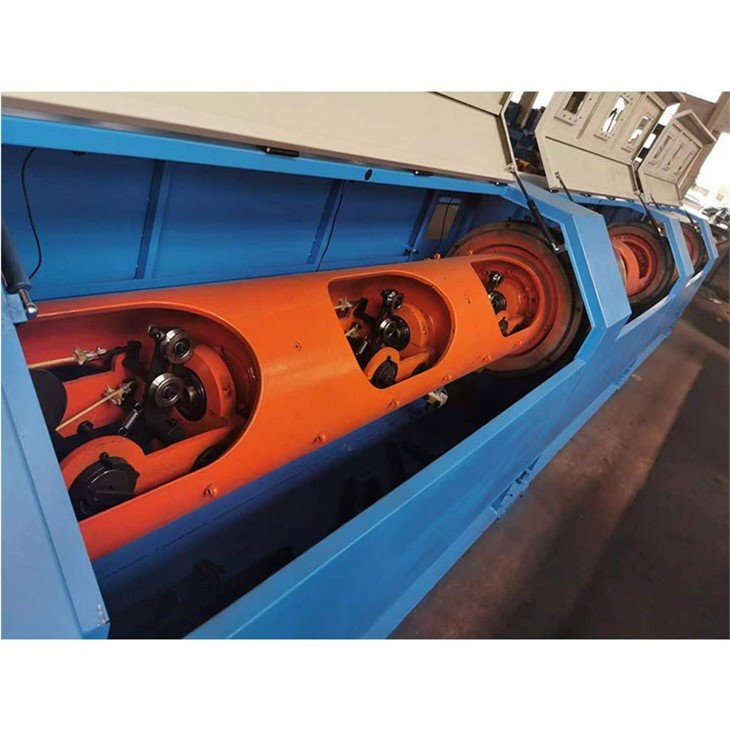
For machines that are used for high - volume production of softer materials like copper, die sets may need to be replaced every 3 - 6 months. The constant abrasion from the wires gradually wears down the surface of the die, which can affect the quality of the stranded cable. If the surface of the die becomes rough, it can cause scratches on the wires, leading to a decrease in the cable's electrical performance.
On the other hand, when stranding harder materials like steel, the die sets may wear out faster, and the replacement cycle could be reduced to 1 - 3 months. The high hardness of steel wires causes more significant abrasion on the die surface, accelerating the wear process.
2. Bearings
Bearings are responsible for supporting the rotating parts of the machine, such as the stranding drums and the wire guides. They need to be in good condition to ensure smooth and efficient operation.
In a 100/3 Horizontal Pipe Stranding Machine, the bearings are subjected to heavy loads and high - speed rotation. The replacement cycle of bearings is highly dependent on the lubrication and maintenance of the machine. If the machine is well - lubricated and maintained regularly, the bearings can last for about 1 - 2 years. However, if the lubrication is inadequate or if there is excessive dust and debris in the working environment, the bearings may fail earlier, sometimes within 6 - 12 months.
A failed bearing can cause a lot of problems, including increased vibration, noise, and even damage to other parts of the machine. So, it's essential to monitor the condition of the bearings regularly and replace them as needed.
3. Belts
Belts are used to transfer power from the motor to the various components of the machine. They are under tension and experience continuous flexing during operation.
The replacement cycle of belts typically ranges from 6 months to 1 year. Over time, the belts can stretch, lose their grip, or develop cracks. If a belt breaks or slips, it can disrupt the operation of the machine and cause production delays. Regular inspection of the belts for signs of wear, such as fraying or cracking, is necessary to determine when they need to be replaced.
4. Wire Guides
Wire guides are used to direct the wires into the stranding area accurately. They are in constant contact with the wires, and as a result, they also experience wear.
The replacement cycle of wire guides depends on the wire material and the production volume. For machines producing cables with a high production rate using abrasive wire materials, wire guides may need to be replaced every 2 - 4 months. In less demanding production scenarios, they can last up to 6 months.
Factors Affecting the Replacement Cycle
1. Production Volume
The more the machine is used, the faster the wearing parts will wear out. High - volume production means that the wearing parts are in contact with the wires for a longer time, increasing the amount of abrasion and stress they experience. For example, a factory that runs the 100/3 Horizontal Pipe Stranding Machine 24/7 will need to replace the wearing parts more frequently than a factory that only uses the machine for a few hours a day.
2. Material of the Wires
As mentioned earlier, the hardness and abrasiveness of the wire material have a significant impact on the wear of the parts. Softer materials like copper are less abrasive than harder materials like steel. Therefore, the wearing parts will last longer when stranding copper wires compared to steel wires.
3. Maintenance
Proper maintenance can significantly extend the replacement cycle of the wearing parts. Regular cleaning, lubrication, and inspection of the machine can prevent premature wear. For example, keeping the machine clean can prevent dust and debris from entering the bearings, which can cause them to wear out faster.
Other Similar Machines in Our Product Line
If you're interested in other horizontal pipe stranding machines, we also offer the 200/9 Horizontal Pipe Stranding Machine, which is suitable for larger - scale production. It has a higher capacity and can handle more wires simultaneously.
Another option is the 250/6 Horizontal Pipe Stranding Machine, which offers a good balance between production capacity and flexibility.
For smaller - scale operations, the 50/3 Horizontal Pipe Stranding Machine is a great choice. It's more compact and energy - efficient, making it ideal for startups or small - scale cable manufacturers.
Conclusion and Call to Action
Understanding the replacement cycle of the wearing parts of the 100/3 Horizontal Pipe Stranding Machine is essential for maintaining the machine's performance and ensuring the quality of the cables produced. By keeping track of the wear of these parts and replacing them at the right time, you can avoid unexpected breakdowns and production losses.
If you're in the market for a horizontal pipe stranding machine or need more information about the replacement of wearing parts, feel free to contact us. We're here to assist you in making the best decision for your cable production needs.
References
- Industry standards and guidelines for cable manufacturing equipment maintenance.
- Manufacturer's manual for the 100/3 Horizontal Pipe Stranding Machine.