


In the realm of cable manufacturing, the 50/3 Horizontal Pipe Stranding Machine stands as a pivotal piece of equipment, playing a crucial role in the production process. As a trusted supplier of this remarkable machine, I am excited to delve into the topic of its material feeding capacity, exploring its significance, influencing factors, and practical applications.
Understanding the 50/3 Horizontal Pipe Stranding Machine
Before we dive into the material feeding capacity, let's briefly understand what the 50/3 Horizontal Pipe Stranding Machine is. This machine is designed to strand multiple wires or cables together in a horizontal configuration. The "50" typically refers to the maximum diameter of the stranding cage, which determines the size of the cable that can be produced. The "3" indicates the number of layers of wire or cable that can be stranded simultaneously.
The horizontal pipe stranding machine offers several advantages over other types of stranding machines. It provides a more stable and efficient stranding process, ensuring uniform tension and pitch throughout the cable. This results in high-quality cables with excellent electrical and mechanical properties.
Significance of Material Feeding Capacity
The material feeding capacity of a 50/3 Horizontal Pipe Stranding Machine is a critical parameter that directly affects the production efficiency and quality of the cables. It refers to the maximum amount of wire or cable that the machine can handle within a given time frame. A higher material feeding capacity means that the machine can produce more cables in less time, increasing the overall productivity of the manufacturing process.
In addition to productivity, the material feeding capacity also impacts the quality of the cables. If the machine is overloaded with too much material, it can lead to uneven stranding, loose wires, and other defects. On the other hand, if the material feeding capacity is too low, the machine may not be able to operate at its full potential, resulting in wasted time and resources.
Factors Affecting Material Feeding Capacity
Several factors can influence the material feeding capacity of a 50/3 Horizontal Pipe Stranding Machine. These include:
- Wire or Cable Diameter: The diameter of the wire or cable being stranded is one of the most significant factors affecting the material feeding capacity. Thicker wires or cables require more space and tension to strand, which can reduce the machine's capacity.
- Stranding Speed: The speed at which the machine operates also affects the material feeding capacity. Higher stranding speeds generally require a lower material feeding rate to ensure proper stranding.
- Tension Control: Proper tension control is essential for achieving a high material feeding capacity. If the tension is too high, it can cause the wires or cables to break or become damaged. If the tension is too low, it can result in loose stranding and poor cable quality.
- Machine Design and Configuration: The design and configuration of the 50/3 Horizontal Pipe Stranding Machine can also impact its material feeding capacity. Machines with larger stranding cages and more advanced feeding systems generally have a higher capacity.
Determining the Material Feeding Capacity
To determine the material feeding capacity of a 50/3 Horizontal Pipe Stranding Machine, several factors need to be considered. These include the type of wire or cable being stranded, the desired stranding speed, and the tension requirements.
One common method for calculating the material feeding capacity is to use the following formula:
Material Feeding Capacity (kg/h) = (π/4) x (D^2) x ρ x v x 60
Where:
- D is the diameter of the wire or cable (mm)
- ρ is the density of the wire or cable material (kg/m^3)
- v is the stranding speed (m/min)
It's important to note that this formula provides an estimate of the material feeding capacity and may need to be adjusted based on the specific operating conditions and requirements of the machine.
Practical Applications
The 50/3 Horizontal Pipe Stranding Machine is widely used in various industries, including telecommunications, power transmission, and automotive. Its high material feeding capacity and excellent stranding quality make it suitable for producing a wide range of cables, including coaxial cables, power cables, and control cables.
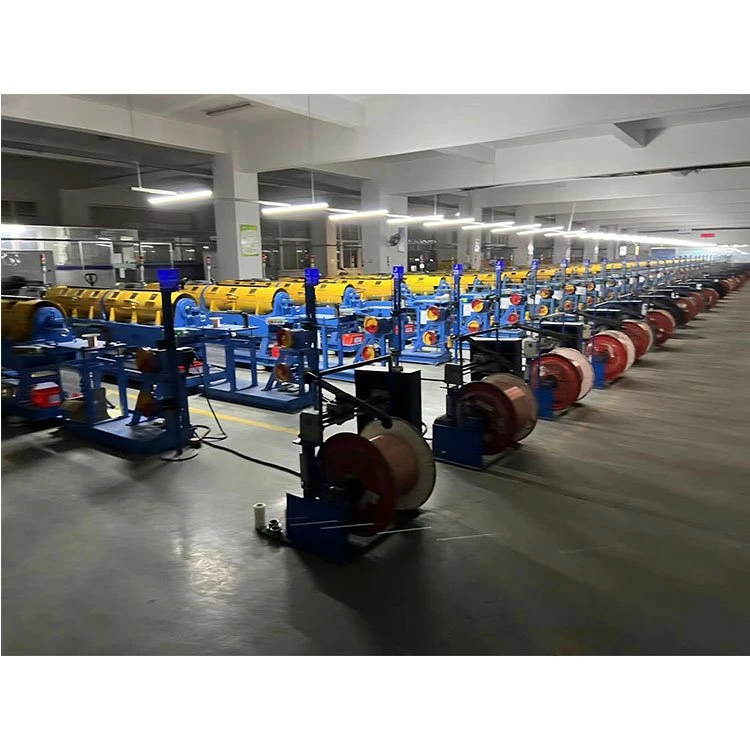
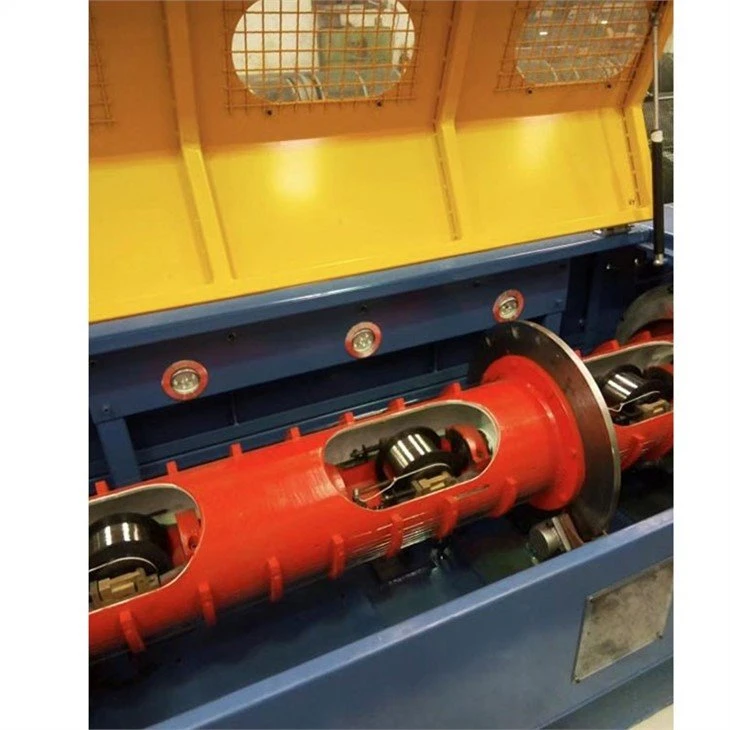
In the telecommunications industry, the 50/3 Horizontal Pipe Stranding Machine is used to produce high-speed data cables, such as Ethernet cables and fiber optic cables. These cables require precise stranding and high-quality materials to ensure reliable data transmission.
In the power transmission industry, the machine is used to produce power cables with large cross-sectional areas. These cables need to be able to withstand high voltages and currents, making the quality of the stranding process crucial.
In the automotive industry, the 50/3 Horizontal Pipe Stranding Machine is used to produce automotive wiring harnesses. These harnesses need to be flexible, durable, and able to withstand harsh environmental conditions.
Comparison with Other Models
While the 50/3 Horizontal Pipe Stranding Machine offers excellent performance and versatility, there are other models available in the market that may be more suitable for specific applications. For example, the 200/3 Horizontal Pipe Stranding Machine has a larger stranding cage and can handle thicker wires or cables, making it ideal for producing high-voltage power cables.
On the other hand, the 200/12 Horizontal Pipe Stranding Machine can strand up to 12 layers of wire or cable simultaneously, offering higher productivity for large-scale cable production.
The 120/3 Horizontal Pipe Stranding Machine is a more compact and cost-effective option for smaller-scale cable manufacturing.
Conclusion
In conclusion, the material feeding capacity of a 50/3 Horizontal Pipe Stranding Machine is a crucial parameter that directly affects the production efficiency and quality of the cables. By understanding the factors that influence the material feeding capacity and using the appropriate calculation methods, manufacturers can optimize the performance of their machines and produce high-quality cables at a lower cost.
As a supplier of the 50/3 Horizontal Pipe Stranding Machine, we are committed to providing our customers with the highest quality equipment and excellent after-sales service. If you are interested in learning more about our products or have any questions regarding the material feeding capacity of our machines, please feel free to contact us for a detailed discussion and potential purchase negotiation.
References
- Cable Manufacturing Handbook, Third Edition. CRC Press.
- Electrical Wiring Handbook, Sixteenth Edition. McGraw-Hill Education.