


What is the learning curve for operators to master the 50/6 Horizontal Pipe Stranding Machine?
As a supplier of the 50/6 Horizontal Pipe Stranding Machine, I've witnessed firsthand the importance of understanding the learning curve for operators. This machine is a crucial piece of equipment in the cable and wire manufacturing industry, and mastering its operation can significantly impact productivity and product quality.
Understanding the 50/6 Horizontal Pipe Stranding Machine
Before delving into the learning curve, it's essential to understand what the 50/6 Horizontal Pipe Stranding Machine is and what it does. This machine is designed to strand multiple wires or cables together in a horizontal configuration. The "50/6" refers to its capacity, typically indicating that it can handle up to 50 bobbins and produce a stranded cable with 6 layers.
The machine consists of several key components, including the pay - off section, the stranding cage, the take - up section, and the control system. The pay - off section holds the individual wires or cables, which are then fed into the stranding cage. Inside the cage, the wires are twisted together to form a single cable. The take - up section winds the finished cable onto a spool, and the control system manages the speed, tension, and other parameters of the stranding process.
Factors Affecting the Learning Curve
-
Technical Knowledge
Operators need to have a basic understanding of electrical and mechanical principles. Knowledge of how the machine's components work together, such as the motors, gears, and sensors, is essential. For example, understanding how the tension control system operates can help prevent wire breakage during the stranding process. Operators with a background in electrical engineering or mechanical technology may have a shorter learning curve compared to those without such knowledge. -
Previous Experience
Those who have worked with other stranding machines or similar equipment in the cable manufacturing industry will find it easier to adapt to the 50/6 Horizontal Pipe Stranding Machine. They are already familiar with concepts like wire feeding, stranding patterns, and cable winding. However, even experienced operators may need to learn the specific features and functions of this particular machine. -
Machine Complexity
The 50/6 Horizontal Pipe Stranding Machine is a complex piece of equipment with multiple settings and parameters. The control panel may have a variety of buttons, dials, and digital displays for adjusting speed, tension, and the number of twists per meter. Learning how to navigate and operate these controls effectively takes time. Additionally, the machine may have advanced features such as automatic fault detection and self - diagnostic systems, which require operators to understand how to interpret the error messages and take appropriate actions. -
Training Quality
The quality of training provided to operators plays a significant role in the learning curve. A comprehensive training program that includes both theoretical and practical components can accelerate the learning process. Theoretical training should cover the machine's working principles, safety procedures, and maintenance requirements. Practical training allows operators to get hands - on experience with the machine, including setting it up, running test strands, and troubleshooting common problems.
Stages of the Learning Curve
-
Introduction and Familiarization
In the initial stage, operators are introduced to the machine's overall structure and basic functions. They learn about the different components, their locations, and how they interact. This stage may involve a tour of the machine, a review of the operator's manual, and a demonstration of the machine's startup and shutdown procedures. Operators may also learn about basic safety rules, such as wearing protective gear and avoiding contact with moving parts. -
Basic Operation
Once operators are familiar with the machine's layout, they start learning how to perform basic operations. This includes loading the pay - off bobbins, setting the initial tension and speed, and starting the stranding process. They also learn how to monitor the machine during operation, checking for any signs of abnormal behavior such as excessive vibration or wire breakage. At this stage, operators may make some mistakes, but with proper guidance, they gradually gain confidence in their ability to operate the machine. -
Advanced Operation and Troubleshooting
As operators become more proficient in basic operations, they move on to advanced functions. This may involve adjusting the stranding pattern, changing the cable diameter, or using the machine's advanced safety features. They also learn how to troubleshoot common problems, such as misaligned wires, incorrect tension, or sensor failures. Troubleshooting requires a deeper understanding of the machine's internal workings and the ability to think analytically to identify and solve problems. -
Mastery and Optimization
The final stage of the learning curve is mastery and optimization. At this point, operators can operate the machine efficiently and effectively, producing high - quality cables with minimal waste. They are able to optimize the machine's performance by adjusting the parameters based on the specific requirements of the cable being produced. They may also be involved in preventive maintenance tasks, such as cleaning and lubricating the machine, to ensure its long - term reliability.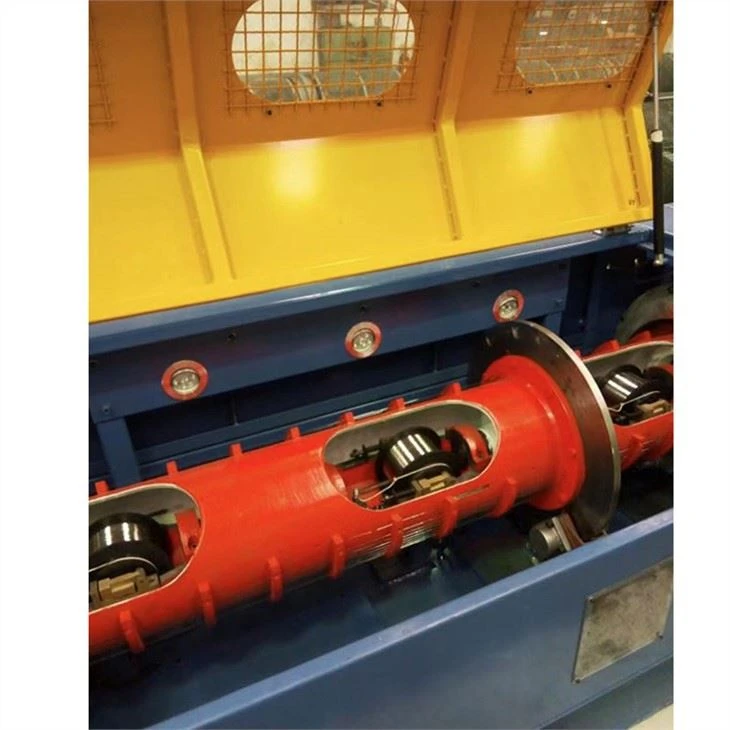

Estimating the Learning Time
The learning time for operators to master the 50/6 Horizontal Pipe Stranding Machine can vary widely depending on the factors mentioned above. For operators with a strong technical background and previous experience in the cable manufacturing industry, it may take as little as 2 - 3 weeks of intensive training. However, for operators with limited technical knowledge and no prior experience, it could take 2 - 3 months or more to reach a level of proficiency.
Comparing with Other Horizontal Pipe Stranding Machines
If you are familiar with other horizontal pipe stranding machines, such as the 165/18 Horizontal Pipe Stranding Machine or the 80/12 Horizontal Pipe Stranding Machine, you'll notice some differences in the learning curve. Larger machines like the 165/18 may have more complex control systems and higher production capacities, which could result in a longer learning curve. Smaller machines like the 80/12 may be relatively easier to learn, but they still require a solid understanding of stranding principles.
Conclusion and Call to Action
The learning curve for operators to master the 50/6 Horizontal Pipe Stranding Machine is influenced by various factors, including technical knowledge, previous experience, machine complexity, and training quality. While it may take some time for operators to become proficient, the benefits of mastering this machine are significant, including increased productivity, improved product quality, and reduced waste.
If you are in the cable and wire manufacturing industry and are considering purchasing a 50/6 Horizontal Pipe Stranding Machine, we are here to support you. Our team can provide comprehensive training programs for your operators to ensure a smooth learning process. Contact us to discuss your specific needs and explore how our machine can enhance your production capabilities.
References
- Cable Manufacturing Handbook, 2nd Edition
- Technical Manual of 50/6 Horizontal Pipe Stranding Machine