


Hey there! As a supplier of Double Twist Stranding Machines, I've seen my fair share of wear and tear on these bad boys. Replacing the wearing parts is a crucial part of keeping your machine running smoothly and efficiently. In this blog, I'm gonna walk you through the process of replacing the wearing parts of a Double Twist Stranding Machine step by step.
Why Replace Wearing Parts?
First off, let's talk about why it's so important to replace the wearing parts. Over time, the constant friction and stress on the machine's components can cause them to wear out. If you don't replace these parts when they start to show signs of wear, it can lead to all sorts of problems. You might notice a decrease in the quality of the stranded product, an increase in downtime due to breakdowns, and even potential safety hazards. So, keeping on top of wear part replacement is a no - brainer.
Identifying Wearing Parts
The first step in replacing the wearing parts is to know what parts are likely to wear out. Some of the common wearing parts in a Double Twist Stranding Machine include:
- Twisting Dies: These are responsible for shaping the strands. They are constantly in contact with the wires, so they take a lot of wear.
- Guide Pulleys: Guide pulleys help direct the wires through the machine. The constant movement of the wires over the pulleys can cause the surface to wear down.
- Bearings: Bearings are essential for smooth rotation in various parts of the machine. Over time, the lubrication can break down, and the bearing surfaces can wear, leading to noise and reduced performance.
Tools You'll Need
Before you start replacing the parts, gather the necessary tools. You'll typically need:
- A set of wrenches (both open - end and socket wrenches)
- Screwdrivers (flat - head and Phillips - head)
- Pliers
- A bearing puller (if you're replacing bearings)
- A torque wrench to ensure proper tightening of bolts
Step - by - Step Replacement Process
Twisting Dies
- Shut Down the Machine: Safety first! Make sure the machine is completely powered off and unplugged before you start working on it.
- Locate the Twisting Dies: They are usually in the stranding head area.
- Remove the Old Dies: Use the appropriate wrenches to loosen the bolts holding the dies in place. Carefully take out the old dies.
- Clean the Area: Wipe down the area where the dies were installed to remove any debris or old lubricant.
- Install the New Dies: Place the new dies in position and tighten the bolts using the torque wrench to the manufacturer's recommended torque settings.
Guide Pulleys
- Power Off: Just like with the dies, turn off the machine and disconnect the power.
- Find the Guide Pulleys: They are located along the wire path.
- Remove the Pulley Guards: Use a screwdriver to remove the screws holding the guards in place.
- Take Out the Old Pulleys: Loosen the set screws or bolts that secure the pulleys to the shafts. You may need pliers to help with this.
- Install the New Pulleys: Slide the new pulleys onto the shafts and tighten the set screws or bolts.
- Replace the Guards: Put the pulley guards back on and secure them with the screws.
Bearings
- Stop the Machine: As always, power off the machine and disconnect it from the power source.
- Locate the Bearings: They are found in various rotating components such as the drive shafts.
- Remove the Bearing Housing Covers: Use a screwdriver or wrench to remove the covers.
- Remove the Old Bearings: This can be a bit tricky. You'll likely need a bearing puller. Attach the puller to the bearing and use it to carefully extract the old bearing from the shaft.
- Clean the Shaft and Housing: Remove any dirt, old grease, or debris from the shaft and the bearing housing.
- Install the New Bearings: Apply a thin layer of appropriate lubricant to the new bearing. Slide it onto the shaft and into the housing. Make sure it is properly seated.
- Replace the Covers: Put the bearing housing covers back on and tighten the screws or bolts.
Testing the Machine
After you've replaced all the wearing parts, it's time to test the machine. Before you turn it on, double - check that all the parts are properly installed and tightened. Then, power on the machine and let it run at a low speed for a few minutes. Listen for any unusual noises, vibrations, or other signs of problems. If everything seems okay, gradually increase the speed and monitor the machine's performance.
Our Double Twist Stranding Machine Range
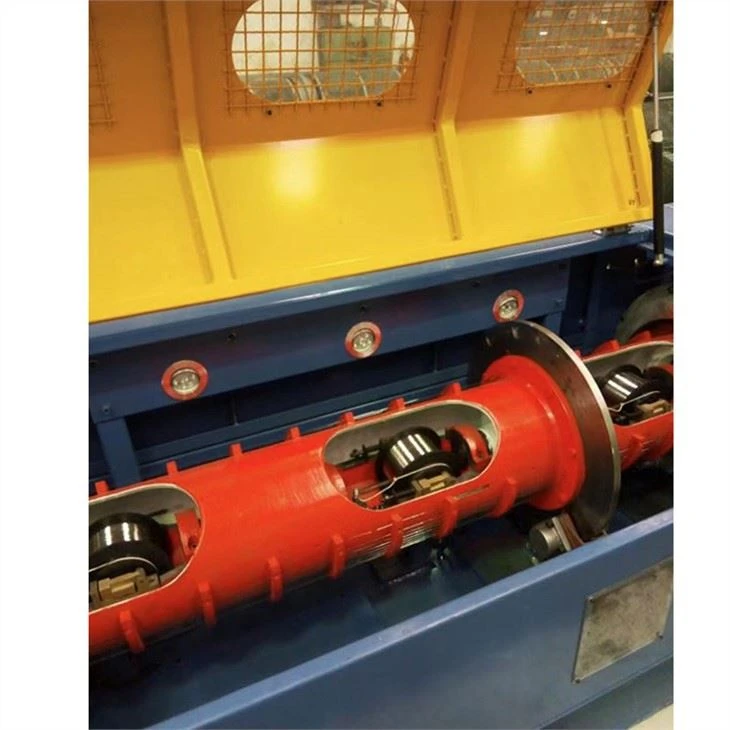
We offer a wide range of Double Twist Stranding Machines, including the 50/6 Horizontal Pipe Stranding Machine, 165/12 Horizontal Pipe Stranding Machine, and 100/3 Horizontal Pipe Stranding Machine. These machines are built with high - quality components, but even the best machines need wear part replacement from time to time.

Contact Us for Replacement Parts and New Machines
If you're in need of replacement parts for your Double Twist Stranding Machine or are looking to purchase a new machine, don't hesitate to reach out. We have a team of experts who can help you find the right parts and offer advice on machine maintenance. Contact us to start a conversation about your needs.
References
- Manufacturer's manuals for Double Twist Stranding Machines
- Industry best practices for machine maintenance and wear part replacement