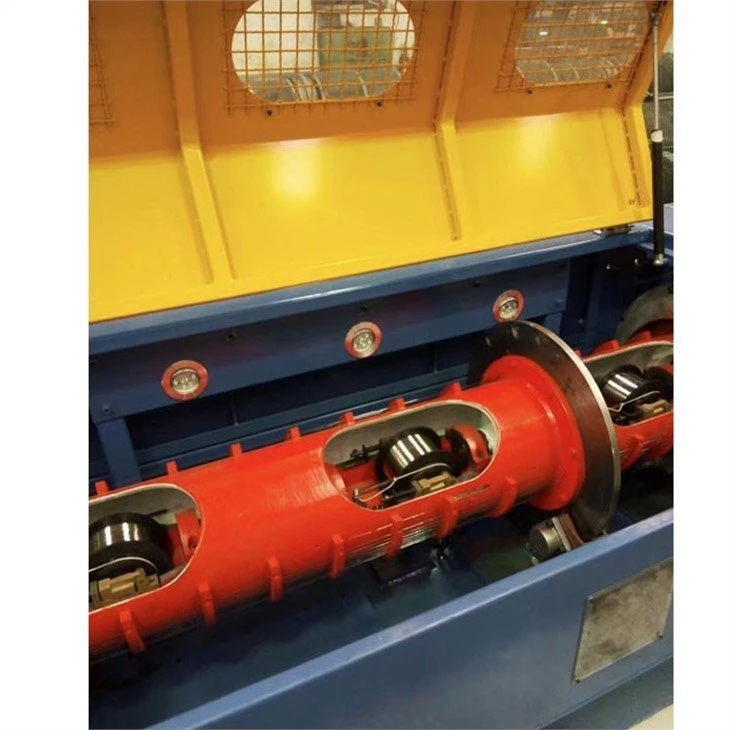
How to Optimize the Threading Path in the 165/6 Horizontal Pipe Stranding Machine
As a reputable supplier of the 165/6 Horizontal Pipe Stranding Machine, I understand the critical role that an optimized threading path plays in the overall performance and efficiency of this equipment. In this blog post, I will share some insights and practical tips on how to achieve an optimal threading path in the 165/6 Horizontal Pipe Stranding Machine.
Understanding the Basics of the Threading Path
Before delving into the optimization strategies, it is essential to have a clear understanding of the threading path in the 165/6 Horizontal Pipe Stranding Machine. The threading path refers to the route that the individual wires or strands take as they are fed into the machine and twisted together to form a cable. A well-designed threading path ensures smooth and consistent feeding of the wires, minimizes tension variations, and reduces the risk of wire breakage or entanglement.
The threading path typically starts with the wire pay-off units, where the individual wires are unwound from their spools. The wires then pass through a series of guides, tensioners, and straighteners to ensure proper alignment and tension. Next, the wires are fed into the stranding head, where they are twisted together to form a cable. Finally, the stranded cable is pulled through a capstan and wound onto a take-up reel.
Factors Affecting the Threading Path
Several factors can affect the threading path in the 165/6 Horizontal Pipe Stranding Machine. These factors include:
- Wire Properties: The properties of the wires, such as diameter, material, and flexibility, can affect the threading path. Wires with larger diameters or stiffer materials may require more careful handling and may be more prone to breakage or entanglement.
- Machine Design: The design of the machine, including the layout of the wire pay-off units, guides, tensioners, and stranding head, can also affect the threading path. A well-designed machine will have a clear and unobstructed threading path that minimizes the risk of wire interference or tangling.
- Tension Control: Proper tension control is crucial for maintaining a smooth and consistent threading path. If the tension is too high, the wires may break or become damaged. If the tension is too low, the wires may sag or become loose, leading to inconsistent stranding.
- Operator Skill: The skill and experience of the operator can also affect the threading path. An experienced operator will be able to set up the machine correctly, adjust the tension and alignment of the wires, and troubleshoot any issues that may arise during the threading process.
Optimization Strategies
To optimize the threading path in the 165/6 Horizontal Pipe Stranding Machine, the following strategies can be implemented:
- Proper Wire Selection: Select wires that are suitable for the application and the machine. Consider the wire diameter, material, and flexibility, and choose wires that are compatible with the machine's design and specifications.
- Machine Setup: Ensure that the machine is set up correctly and that all the components are properly aligned and adjusted. Check the tension and alignment of the wires at each stage of the threading path, and make any necessary adjustments to ensure smooth and consistent feeding.
- Tension Control: Use a reliable tension control system to maintain consistent tension on the wires throughout the threading path. This can help to minimize tension variations, reduce the risk of wire breakage, and improve the quality of the stranded cable.
- Guide and Tensioner Selection: Choose guides and tensioners that are suitable for the wire properties and the machine's design. Use smooth and well-polished guides to minimize friction and prevent wire damage. Adjust the tensioners to ensure proper tension on the wires without causing excessive stress or breakage.
- Operator Training: Provide comprehensive training to the operators on the proper threading techniques and the operation of the machine. Ensure that the operators are familiar with the machine's controls, safety features, and troubleshooting procedures.
Benefits of an Optimized Threading Path
Optimizing the threading path in the 165/6 Horizontal Pipe Stranding Machine offers several benefits, including:
- Improved Cable Quality: An optimized threading path ensures smooth and consistent feeding of the wires, which results in a more uniform and high-quality stranded cable. This can improve the electrical and mechanical properties of the cable and reduce the risk of cable failures.
- Increased Productivity: A well-designed threading path reduces the risk of wire breakage or entanglement, which can cause downtime and reduce productivity. By minimizing these issues, the machine can operate more efficiently and produce more cable in less time.
- Reduced Maintenance Costs: An optimized threading path reduces the wear and tear on the machine components, such as the guides, tensioners, and stranding head. This can extend the lifespan of the machine and reduce the need for frequent maintenance and repairs.
- Enhanced Operator Safety: A smooth and consistent threading path reduces the risk of wire breakage or entanglement, which can pose a safety hazard to the operators. By minimizing these risks, the machine can provide a safer working environment for the operators.
Conclusion
Optimizing the threading path in the 165/6 Horizontal Pipe Stranding Machine is essential for achieving high-quality cable production, increasing productivity, and reducing maintenance costs. By understanding the factors that affect the threading path and implementing the optimization strategies outlined in this blog post, you can ensure smooth and consistent feeding of the wires, minimize tension variations, and reduce the risk of wire breakage or entanglement.
If you are interested in learning more about the 165/6 Horizontal Pipe Stranding Machine or other Cable Stranding Machines, please feel free to contact us. Our team of experts will be happy to assist you with your cable production needs and provide you with the latest information and solutions.