


Operating a 250/6 Horizontal Pipe Stranding Machine safely is of utmost importance to ensure the well - being of operators and the efficiency of production. As a supplier of the 250/6 Horizontal Pipe Stranding Machine, I understand the significance of providing comprehensive safety guidelines. In this blog, I will share some key steps and precautions for the safe operation of this machine.
Pre - operation Preparations
Before starting the 250/6 Horizontal Pipe Stranding Machine, a series of pre - operation preparations should be carried out. First, operators should conduct a visual inspection of the machine. Check the overall structure of the machine to ensure that there are no visible cracks, loose parts, or signs of damage. Pay special attention to the stranding head, wire feeding system, and the transmission parts. Any abnormal conditions should be reported and repaired immediately.
The lubrication system is also crucial. Make sure that all lubrication points are properly lubricated. Insufficient lubrication can lead to increased friction, which may cause overheating and premature wear of the machine parts. Refer to the machine's manual for the specific lubrication requirements, including the type of lubricant and the lubrication intervals.
Check the electrical system thoroughly. Look for any exposed wires, loose connections, or damaged electrical components. The grounding of the machine must be reliable to prevent electrical shock hazards. Test the emergency stop button to ensure that it functions properly. An ineffective emergency stop button can pose a serious threat to the safety of the operators in case of an emergency.
Loading and Unloading Wires
When loading wires onto the 250/6 Horizontal Pipe Stranding Machine, operators should follow the correct procedures. First, select the appropriate wire spools according to the specifications of the stranding requirements. The wire spools should be placed on the wire feeding racks securely. Ensure that the wires are unwound smoothly without any tangling or kinking.
During the loading process, operators should wear appropriate personal protective equipment (PPE), such as gloves, to prevent hand injuries. When handling heavy wire spools, use mechanical aids like forklifts or hoists to avoid manual lifting, which can cause back injuries.
When unloading the stranded wires, wait until the machine has come to a complete stop. Use suitable tools to cut the wires neatly. Be careful not to let the wires fall onto the floor in a disorganized manner, as this can cause tripping hazards.
Machine Operation
Once the pre - operation preparations are completed, the 250/6 Horizontal Pipe Stranding Machine can be started. Start the machine at a low speed first to check its running condition. Listen for any abnormal noises, such as rattling or grinding sounds, which may indicate mechanical problems. If any abnormal noises are detected, stop the machine immediately and investigate the cause.
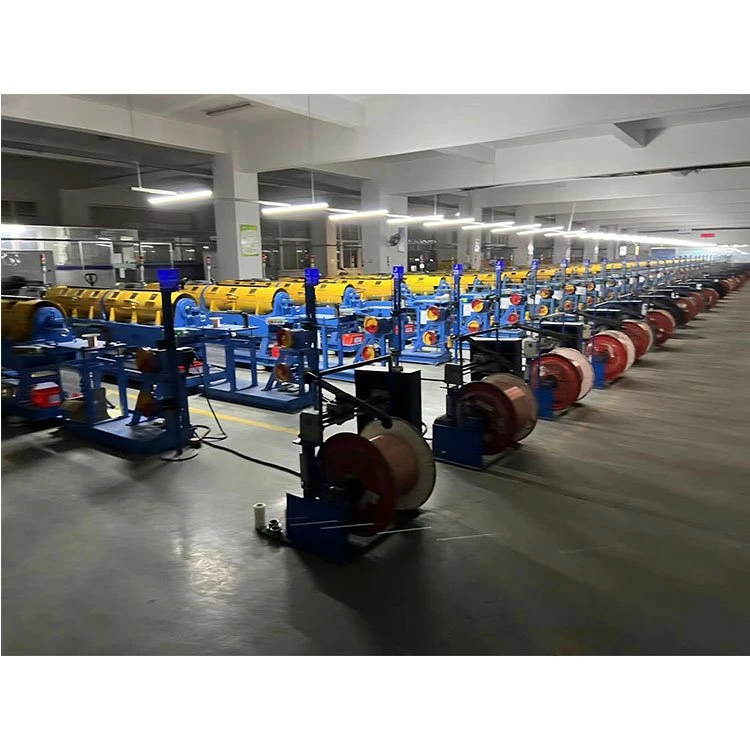

During the normal operation of the machine, operators should keep a safe distance from the moving parts. Do not touch the stranding head, wire guides, or other rotating components while the machine is running. The rotating parts can cause severe injuries, including amputation.
Monitor the tension of the wires continuously. Improper wire tension can affect the quality of the stranded wires and may also cause the machine to malfunction. Adjust the tension control device as needed to maintain a stable wire tension.
The speed of the machine should be adjusted according to the wire specifications and the stranding requirements. Do not exceed the maximum speed recommended by the manufacturer. Over - speeding can lead to instability of the machine and may cause the wires to break or the machine to vibrate excessively.
Maintenance and Inspection
Regular maintenance and inspection are essential for the safe operation of the 250/6 Horizontal Pipe Stranding Machine. Establish a maintenance schedule based on the machine's usage and the manufacturer's recommendations.
During the maintenance process, clean the machine regularly to remove dust, debris, and metal shavings. These contaminants can accumulate on the machine parts and affect their performance. Use appropriate cleaning tools and solvents to ensure a thorough cleaning.
Inspect the machine's belts, chains, and gears regularly. Check for signs of wear, such as cracks, fraying, or excessive slack. Replace any worn - out parts promptly to prevent machine failures.
The stranding dies also need to be inspected and maintained. The dies are responsible for shaping the stranded wires, and any damage or wear can affect the quality of the final product. Clean the dies regularly and replace them when they are no longer in good condition.
Comparison with Other Models
In addition to the 250/6 Horizontal Pipe Stranding Machine, our company also offers other models such as the 200/3 Horizontal Pipe Stranding Machine, 120/6 Horizontal Pipe Stranding Machine, and 250/3 Horizontal Pipe Stranding Machine. Each model has its own characteristics and is suitable for different production requirements. For example, the 200/3 model is more suitable for small - scale production with relatively thinner wires, while the 250/6 model is designed for larger - scale production with thicker wires.
Emergency Response
Despite all the safety precautions, emergencies may still occur. Operators should be trained on how to respond to different types of emergencies. In case of a fire, use the appropriate fire - fighting equipment, such as fire extinguishers, and follow the fire - evacuation procedures.
If there is a mechanical failure or a wire breakage during the operation, press the emergency stop button immediately. Isolate the machine from the power source to prevent further damage or injuries. After the emergency, conduct a thorough inspection of the machine to identify the cause of the problem and take appropriate corrective actions.
Training and Education
Proper training and education are vital for the safe operation of the 250/6 Horizontal Pipe Stranding Machine. All operators should receive comprehensive training before they are allowed to operate the machine. The training should cover the machine's structure, operating principles, safety procedures, and emergency response.
Regular refresher training should also be provided to keep the operators updated on the latest safety regulations and best practices. Encourage operators to ask questions and provide feedback during the training process to ensure that they fully understand the training content.
Conclusion
Operating the 250/6 Horizontal Pipe Stranding Machine safely requires a combination of pre - operation preparations, correct operation procedures, regular maintenance, and proper emergency response. As a supplier, we are committed to providing high - quality machines and comprehensive technical support to our customers. If you are interested in our products or have any questions about the 250/6 Horizontal Pipe Stranding Machine or other models, please feel free to contact us for further discussions and procurement negotiations.
References
- Manufacturer's manual of the 250/6 Horizontal Pipe Stranding Machine
- Industry safety standards for pipe stranding machines
- Relevant research papers on industrial machine safety