


Hey there! As a supplier of the 250/6 Horizontal Pipe Stranding Machine, I often get asked about how to adjust the speed of the stranding cage. It's a crucial aspect of operating this machine, and getting it right can significantly impact the quality and efficiency of your production. So, let's dive into it!
First off, understanding the basics of the stranding cage is essential. The stranding cage in the 250/6 Horizontal Pipe Stranding Machine is responsible for twisting multiple wires or cables together to form a single, unified strand. The speed at which this cage rotates determines the pitch and tightness of the stranded product. If the speed is too slow, the strands may be loose and not meet the required specifications. On the other hand, if it's too fast, the wires could break or the machine might experience excessive wear and tear.
Now, let's talk about the steps to adjust the speed.
Step 1: Know Your Machine
Before you start making any adjustments, it's vital to have a good understanding of your 250/6 Horizontal Pipe Stranding Machine. Read the user manual thoroughly. It contains all the technical details about the machine, including the recommended speed ranges for different types of materials and stranding requirements. Familiarize yourself with the control panel and the functions of each button and knob. This knowledge will give you the confidence to make the right adjustments.
Step 2: Determine the Required Speed
The speed of the stranding cage depends on several factors, such as the type of wire or cable you're using, the desired pitch of the strand, and the production rate you want to achieve. For example, if you're working with thin and delicate wires, you'll need a slower speed to prevent breakage. On the contrary, thicker wires can handle a higher speed. You can also refer to industry standards and best practices for guidance on the appropriate speed for your specific application.
Step 3: Access the Speed Control System
Most modern 250/6 Horizontal Pipe Stranding Machines come with an advanced speed control system. This system can be either manual or automated. In a manual system, you'll usually find a speed control knob or a set of buttons on the control panel. In an automated system, you may need to use a touchscreen interface or a computer program to adjust the speed.
If you have a manual system, start by turning the machine off and then locate the speed control knob. Make sure you note down the current speed setting before making any changes. This way, you can always revert back if something goes wrong.
For an automated system, log in to the control program using your credentials. Navigate to the speed control section, where you'll see options to increase or decrease the speed of the stranding cage.
Step 4: Make Incremental Adjustments
Once you've accessed the speed control system, it's time to make the adjustments. It's important to make small, incremental changes rather than large jumps in speed. This allows you to closely monitor the effect of each adjustment on the stranding process.
If you're increasing the speed, start by raising it by a small amount, say 5 - 10 RPM (Revolutions Per Minute). Then, start the machine and observe the stranding operation. Check if the strands are being formed correctly, if there are any signs of wire breakage, or if the machine is making any unusual noises. If everything looks good, you can make another small adjustment and repeat the process until you reach the desired speed.
If you're decreasing the speed, follow the same incremental approach. Lower the speed by a small amount, start the machine, and evaluate the results.
Step 5: Monitor and Fine - Tune
After making an adjustment, it's crucial to monitor the machine continuously. Keep an eye on the quality of the stranded product, the tension of the wires, and the overall performance of the machine. If you notice any issues, such as uneven stranding or excessive vibration, stop the machine immediately and make further adjustments.
You may also need to fine - tune the speed based on the feedback you receive from the production process. For example, if the strands are a bit too loose, you can increase the speed slightly. If they're too tight, decrease the speed.
Other Considerations
- Maintenance: Regular maintenance of the stranding machine is essential for accurate speed control. Make sure to clean the machine, lubricate the moving parts, and check for any worn - out components. A well - maintained machine will perform more consistently, and the speed adjustments will be more effective.
- Operator Training: Ensure that your operators are properly trained in adjusting the speed of the stranding cage. They should understand the importance of following the correct procedures and be able to troubleshoot any issues that may arise.
In addition to the 250/6 Horizontal Pipe Stranding Machine, we also offer other models like the 50/6 Horizontal Pipe Stranding Machine and the 80/6 Horizontal Pipe Stranding Machine. These machines are designed to meet different production needs and offer similar speed adjustment capabilities. If you're interested in learning more about our Stranding Machine range, feel free to reach out to us.
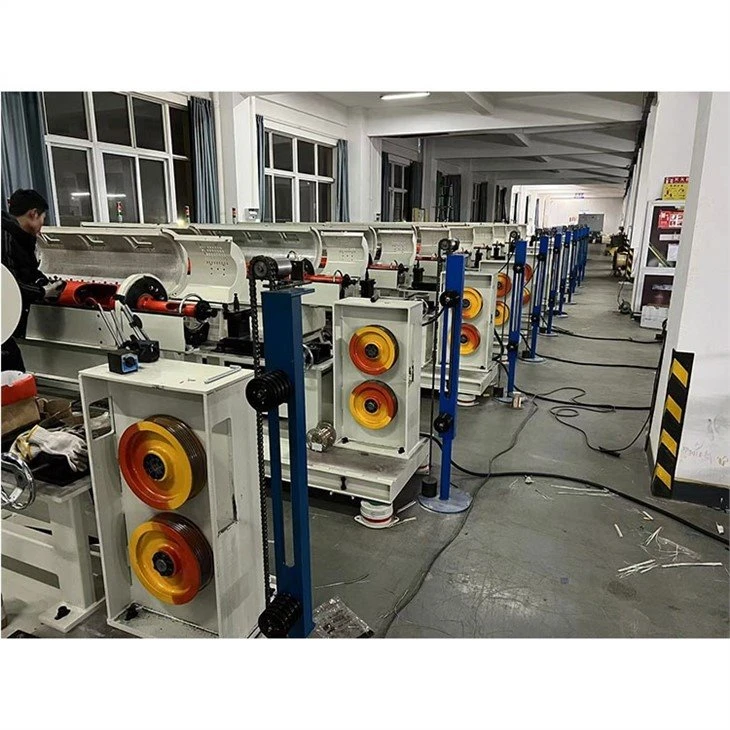

Adjusting the speed of the stranding cage in the 250/6 Horizontal Pipe Stranding Machine may seem daunting at first, but with the right knowledge and approach, it can be a straightforward process. By following these steps and keeping these considerations in mind, you'll be able to optimize the performance of your machine and produce high - quality stranded products.
If you're in the market for a reliable stranding machine or need more information on speed adjustment and other technical aspects, don't hesitate to contact us. We're here to help you make the most of your investment and ensure smooth and efficient production.
References
- Manufacturer's user manual for the 250/6 Horizontal Pipe Stranding Machine
- Industry standards for wire and cable stranding processes
- Technical literature on stranding machine operation and maintenance