


Hey there! As a supplier of Tubular Stranding Machines, I often get asked this question: “How often should I replace the spare parts of a Tubular Stranding Machine?” Well, it’s not a one - size - fits - all answer, and in this blog, I'll break down the factors that influence the replacement frequency and give you some ballpark estimates.
First off, let's understand what a Tubular Stranding Machine does. It's a key piece of equipment in the wire and cable industry. It twists multiple wires together to form a single, stronger cable. This process involves a lot of moving parts, and each part has its own wear - and - tear rate.

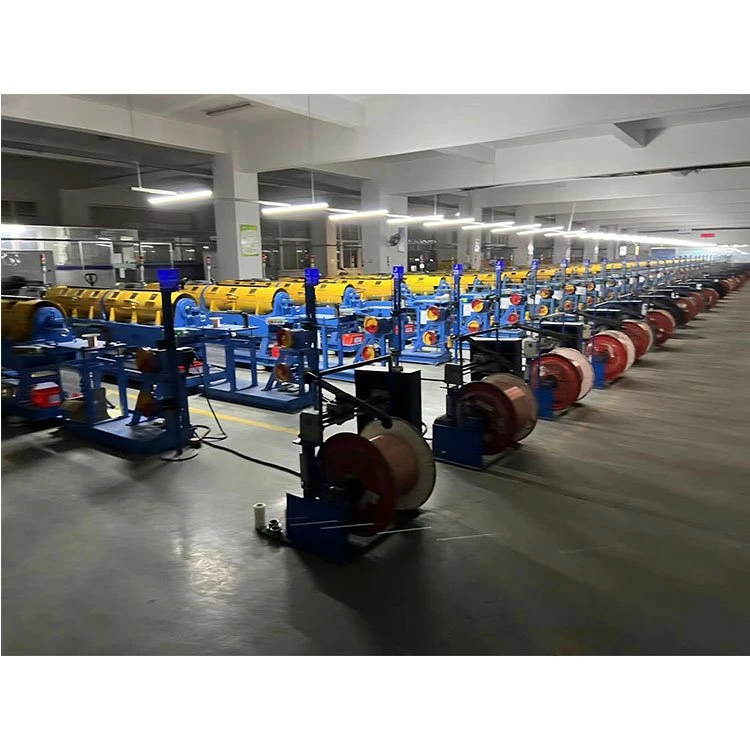
Factors Affecting Spare Parts Replacement
1. Usage Frequency
If your Tubular Stranding Machine is running 24/7, the parts are going to wear out a lot faster than if it's only used a few hours a week. Continuous operation means more friction, more heat, and more stress on the components. For example, the gears and bearings in the machine are constantly in motion. When the machine is running non - stop, these parts are under constant pressure, which can lead to premature wear.
Let's say you have a 100/6 Horizontal Pipe Stranding Machine. If it's used for short periods, say 4 - 6 hours a day, the gears might last for 12 - 18 months. But if it's running 20 hours a day, you might need to replace them every 6 - 9 months.
2. Material Quality
The quality of the materials being processed by the machine also matters. If you're working with abrasive or hard - to - process materials, the parts will wear out quicker. For instance, if you're stranding wires made of high - strength steel, the dies and guides in the machine will experience more wear compared to when you're working with softer copper wires.
The 200/9 Horizontal Pipe Stranding Machine used for high - strength steel wire stranding may need its dies replaced every 3 - 6 months, while for copper wire, the dies could last 6 - 12 months.
3. Maintenance Practices
Proper maintenance can significantly extend the life of the spare parts. Regular cleaning, lubrication, and inspection can prevent small issues from turning into big problems. For example, if you keep the machine well - lubricated, the friction between moving parts is reduced, which means less wear.
If you follow a strict maintenance schedule for your 200/3 Horizontal Pipe Stranding Machine, like lubricating the bearings every week and checking the alignment monthly, you can expect the parts to last longer. On the other hand, if maintenance is neglected, parts can fail much earlier.
Common Spare Parts and Their Replacement Intervals
1. Bearings
Bearings are crucial for the smooth operation of the Tubular Stranding Machine. They support the rotating shafts and reduce friction. The lifespan of bearings depends on the load they carry and the operating conditions.
Under normal operating conditions (moderate usage, proper lubrication), bearings in a Tubular Stranding Machine can last 1 - 2 years. However, in high - load or dirty environments, this lifespan can be reduced to 6 - 12 months. If you notice any unusual noise or vibration coming from the machine, it could be a sign that the bearings need to be replaced.
2. Gears
Gears transmit power and motion within the machine. They are subject to high - pressure contact and can wear out over time. The teeth on the gears can get chipped or worn down, which can affect the machine's performance.
For a machine with normal usage and good maintenance, gears can last 1 - 3 years. But if the machine is overloaded or if there is misalignment, the gears may need to be replaced in as little as 6 months.
3. Dies and Guides
Dies and guides are used to shape and guide the wires during the stranding process. They are in direct contact with the wires, so they are prone to wear.
The replacement interval for dies and guides can vary widely depending on the material being processed. As mentioned earlier, for softer materials like copper, they can last 6 - 12 months, while for harder materials like high - strength steel, it could be 3 - 6 months.
4. Belts
Belts are used to transfer power between different parts of the machine. They can stretch, crack, or wear out over time.
Under normal conditions, belts may need to be replaced every 6 - 12 months. However, if the machine is subjected to frequent starts and stops or if the belts are misaligned, they may need to be replaced more often.
Tips for Extending Spare Parts Life
- Regular Inspections: Check the machine regularly for signs of wear, such as loose parts, abnormal noise, or vibration. Early detection of problems can prevent further damage.
- Proper Lubrication: Use the right lubricants for different parts of the machine. Lubrication reduces friction and wear, and it also helps to dissipate heat.
- Cleaning: Keep the machine clean to prevent the buildup of dirt and debris, which can cause premature wear.
- Training: Make sure your operators are properly trained to use the machine. Incorrect operation can put unnecessary stress on the parts.
Conclusion
So, as you can see, there's no simple answer to the question of how often to replace the spare parts of a Tubular Stranding Machine. It depends on a variety of factors, including usage frequency, material quality, and maintenance practices. By understanding these factors and following the tips I've provided, you can optimize the lifespan of your machine's spare parts and keep your production running smoothly.
If you're in the market for a Tubular Stranding Machine or need more information about spare parts replacement, feel free to reach out. We're here to help you make the best decisions for your business.
References
- Industry best practices for wire and cable machinery maintenance.
- Manufacturer's manuals for Tubular Stranding Machines.