


Hey there! As a supplier of Tubular Stranding Machines, I often get asked about the best type of lubricant to use for these machines. It's a crucial question because the right lubricant can significantly impact the performance, lifespan, and efficiency of your Tubular Stranding Machine. In this blog, I'm gonna break down the different types of lubricants and help you figure out which one is the best fit for your machine.
Why Lubrication Matters
First off, let's talk about why lubrication is so important for Tubular Stranding Machines. These machines are designed to twist and strand multiple wires or cables together, which involves a lot of moving parts and friction. Without proper lubrication, the friction can cause excessive wear and tear on the machine's components, leading to premature failure, increased maintenance costs, and reduced productivity.

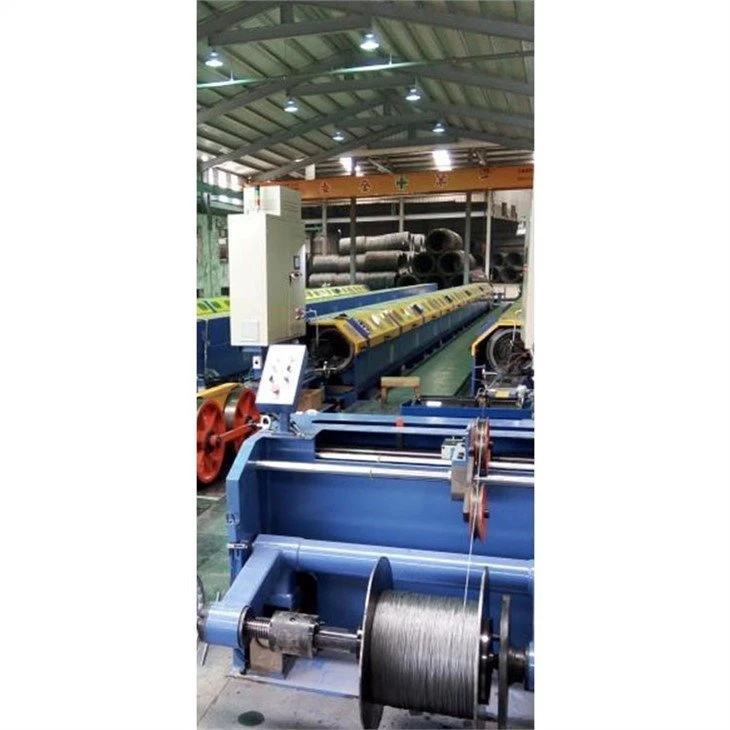
Lubricants help to reduce friction between moving parts, prevent corrosion, and dissipate heat. They also act as a barrier to keep out dirt, dust, and other contaminants that can damage the machine. By using the right lubricant, you can ensure that your Tubular Stranding Machine runs smoothly and efficiently, minimizing downtime and maximizing its lifespan.
Types of Lubricants
There are several types of lubricants available for Tubular Stranding Machines, each with its own unique properties and advantages. Here are some of the most common types:
Mineral Oil-Based Lubricants
Mineral oil-based lubricants are the most widely used type of lubricant for Tubular Stranding Machines. They are derived from crude oil and are known for their excellent lubricating properties, high viscosity index, and good thermal stability. Mineral oil-based lubricants are also relatively inexpensive and readily available.
One of the main advantages of mineral oil-based lubricants is their ability to provide long-lasting lubrication. They form a protective film on the surface of the machine's components, reducing friction and wear. They are also resistant to oxidation and thermal degradation, which means they can withstand high temperatures without breaking down.
However, mineral oil-based lubricants have some limitations. They are not biodegradable, which means they can have a negative impact on the environment if not disposed of properly. They also have a relatively low flash point, which means they can pose a fire hazard if exposed to high temperatures or open flames.
Synthetic Lubricants
Synthetic lubricants are made from chemically engineered compounds and are designed to offer superior performance compared to mineral oil-based lubricants. They have a higher viscosity index, better thermal stability, and lower volatility than mineral oil-based lubricants. Synthetic lubricants are also more resistant to oxidation, corrosion, and wear, which means they can provide longer-lasting lubrication and better protection for your machine.
One of the main advantages of synthetic lubricants is their ability to perform in extreme conditions. They can withstand high temperatures, high pressures, and high speeds without breaking down or losing their lubricating properties. They are also less likely to form deposits or sludge, which can clog the machine's components and reduce its efficiency.
However, synthetic lubricants are more expensive than mineral oil-based lubricants. They also require special handling and storage, as they can be sensitive to moisture and contaminants.
Greases
Greases are a type of lubricant that consists of a base oil and a thickening agent. They are semi-solid in nature and are designed to stay in place and provide long-lasting lubrication. Greases are commonly used in applications where a liquid lubricant would not stay in place, such as in bearings, gears, and other high-friction areas.
One of the main advantages of greases is their ability to provide excellent adhesion and sealing properties. They can stay in place even under high loads and vibrations, which means they can provide continuous lubrication and protection for your machine. Greases are also resistant to water and other contaminants, which means they can provide good protection against corrosion.
However, greases have some limitations. They have a higher viscosity than liquid lubricants, which means they can be more difficult to apply and remove. They also have a lower thermal conductivity than liquid lubricants, which means they can generate more heat in high-speed applications.
Biodegradable Lubricants
Biodegradable lubricants are a type of lubricant that is designed to break down naturally in the environment. They are made from renewable resources, such as vegetable oils, and are known for their excellent lubricating properties, high biodegradability, and low toxicity. Biodegradable lubricants are becoming increasingly popular in the industry due to their environmental benefits.
One of the main advantages of biodegradable lubricants is their ability to reduce the environmental impact of your operations. They are less harmful to the environment than mineral oil-based lubricants and can be disposed of safely without causing pollution. Biodegradable lubricants are also non-toxic and do not pose a health risk to workers.
However, biodegradable lubricants have some limitations. They are generally more expensive than mineral oil-based lubricants and may not have the same performance characteristics. They also have a shorter shelf life than mineral oil-based lubricants and may require special handling and storage.
Choosing the Right Lubricant
Now that you know the different types of lubricants available for Tubular Stranding Machines, how do you choose the right one for your machine? Here are some factors to consider:
Machine Requirements
The first thing you need to consider is the specific requirements of your Tubular Stranding Machine. Different machines have different lubrication requirements, depending on their design, operating conditions, and the type of materials being processed. You should consult the machine's manufacturer's recommendations to determine the appropriate lubricant for your machine.
Operating Conditions
The operating conditions of your Tubular Stranding Machine also play a crucial role in determining the right lubricant. Factors such as temperature, humidity, speed, load, and vibration can all affect the performance of the lubricant. For example, if your machine operates in a high-temperature environment, you may need a lubricant with a high thermal stability. If your machine operates in a wet or humid environment, you may need a lubricant that is resistant to water and corrosion.
Environmental Considerations
If you are concerned about the environmental impact of your operations, you may want to consider using a biodegradable lubricant. Biodegradable lubricants are a more sustainable option that can help to reduce your carbon footprint and minimize the impact of your operations on the environment.
Cost
Cost is always a factor to consider when choosing a lubricant. Mineral oil-based lubricants are generally the most affordable option, while synthetic lubricants and biodegradable lubricants are more expensive. However, you should also consider the long-term cost of using a particular lubricant, including the cost of maintenance, downtime, and replacement parts.
Our Tubular Stranding Machines
As a leading supplier of Tubular Stranding Machines, we offer a range of high-quality machines that are designed to meet the needs of various industries. Our machines are built to last and are equipped with the latest technology to ensure maximum performance and efficiency.
Here are some of our popular Tubular Stranding Machines:
- 165/6 Horizontal Pipe Stranding Machine: This machine is designed for stranding small to medium-sized wires and cables. It has a maximum stranding speed of 600 rpm and can handle up to 6 wires at a time.
- 250/12 Horizontal Pipe Stranding Machine: This machine is designed for stranding larger wires and cables. It has a maximum stranding speed of 500 rpm and can handle up to 12 wires at a time.
- Double Twist Stranding Machine: This machine is designed for high-speed stranding of wires and cables. It has a maximum stranding speed of 1200 rpm and can handle up to 24 wires at a time.
Conclusion
Choosing the right lubricant for your Tubular Stranding Machine is crucial for ensuring its performance, lifespan, and efficiency. By considering the specific requirements of your machine, the operating conditions, the environmental impact, and the cost, you can select the lubricant that is best suited for your needs.
If you have any questions or need help choosing the right lubricant for your Tubular Stranding Machine, please don't hesitate to contact us. We have a team of experts who can provide you with personalized advice and recommendations based on your specific requirements.
We also offer a range of high-quality Tubular Stranding Machines that are designed to meet the needs of various industries. Our machines are built to last and are equipped with the latest technology to ensure maximum performance and efficiency. If you are interested in purchasing a Tubular Stranding Machine, please contact us to discuss your options and get a quote.
Let's work together to keep your Tubular Stranding Machine running smoothly and efficiently!
References
- "Lubrication Basics," Machinery Lubrication, accessed [Date].
- "Types of Lubricants," Tribology Online, accessed [Date].
- "Choosing the Right Lubricant for Your Machinery," Maintenance World, accessed [Date].