


What is the vibration level of a Horizontal Pipe Stranding Machine during operation?
As a supplier of Horizontal Pipe Stranding Machines, I've received numerous inquiries regarding the vibration levels during the operation of these machines. Vibration is a critical factor that can significantly impact the performance, efficiency, and longevity of the stranding machine, as well as the quality of the final product. In this blog post, I'll delve into the details of the vibration levels of Horizontal Pipe Stranding Machines, exploring the factors that influence them, the acceptable limits, and how to manage and reduce vibrations for optimal operation.
Understanding Vibration in Horizontal Pipe Stranding Machines
Vibration in a Horizontal Pipe Stranding Machine refers to the oscillatory motion of its components during operation. This motion can be caused by various factors, including the rotation of the stranding drums, the movement of the wire through the machine, and the interaction between different parts of the equipment. While some level of vibration is inevitable in any mechanical system, excessive vibration can lead to several problems, such as increased wear and tear on the machine, reduced product quality, and even safety hazards.
Factors Influencing Vibration Levels
- Machine Design and Construction
The design and construction of the Horizontal Pipe Stranding Machine play a crucial role in determining its vibration levels. A well-designed machine with a sturdy frame, balanced rotating components, and proper alignment will generally produce less vibration than a poorly designed one. For example, the use of high-quality bearings and precision-machined parts can help reduce vibration by minimizing friction and ensuring smooth operation. - Operating Speed
The operating speed of the stranding machine is another significant factor that affects vibration levels. As the speed increases, the centrifugal forces acting on the rotating components also increase, which can lead to higher vibration amplitudes. Therefore, it's essential to operate the machine within its recommended speed range to avoid excessive vibration. - Wire Tension and Feed Rate
The tension and feed rate of the wire being stranded can also influence the vibration levels of the machine. If the wire tension is too high or too low, it can cause uneven stress on the stranding components, leading to increased vibration. Similarly, an inconsistent feed rate can result in jerky motion and vibration. - Maintenance and Wear
Regular maintenance is crucial for keeping the vibration levels of a Horizontal Pipe Stranding Machine in check. Over time, the components of the machine can wear out, leading to increased clearance between parts and higher vibration. Therefore, it's important to perform routine inspections, lubrication, and replacement of worn parts to ensure smooth operation and minimize vibration.
Acceptable Vibration Limits
Determining the acceptable vibration limits for a Horizontal Pipe Stranding Machine depends on several factors, including the machine's design, operating conditions, and the specific requirements of the application. In general, the vibration levels should be kept within the manufacturer's recommended specifications to ensure optimal performance and prevent damage to the machine.
Industry standards and guidelines can also provide valuable references for determining acceptable vibration limits. For example, the International Organization for Standardization (ISO) has developed standards for vibration measurement and evaluation in machinery, which can be used as a benchmark for assessing the vibration levels of Horizontal Pipe Stranding Machines.
Measuring Vibration Levels
To monitor and control the vibration levels of a Horizontal Pipe Stranding Machine, it's essential to use appropriate vibration measurement tools and techniques. Vibration sensors, such as accelerometers, can be installed on critical components of the machine to measure the vibration amplitude, frequency, and direction. These sensors can provide real-time data that can be used to detect abnormal vibration patterns and identify potential problems before they cause significant damage.
In addition to using sensors, visual inspection and auditory monitoring can also be effective methods for detecting excessive vibration. Any unusual noise or movement during the operation of the machine should be investigated immediately to determine the cause and take appropriate corrective action.

Managing and Reducing Vibration
If the vibration levels of a Horizontal Pipe Stranding Machine exceed the acceptable limits, several measures can be taken to manage and reduce them.
- Balancing and Alignment
Ensuring proper balancing and alignment of the rotating components is one of the most effective ways to reduce vibration. This can involve balancing the stranding drums, pulleys, and other rotating parts to minimize the centrifugal forces acting on them. Additionally, aligning the machine's components correctly can help prevent uneven stress and vibration. - Tension and Feed Rate Adjustment
Adjusting the wire tension and feed rate to the optimal levels can also help reduce vibration. This may require some experimentation and fine-tuning to find the settings that result in the smoothest operation. - Damping and Isolation
Using damping materials and isolation mounts can help absorb and reduce the vibration transmitted from the machine to its surroundings. This can include rubber pads, springs, or other vibration-damping devices that can be installed between the machine and its foundation. - Regular Maintenance
As mentioned earlier, regular maintenance is essential for keeping the vibration levels of a Horizontal Pipe Stranding Machine under control. This includes lubricating the moving parts, tightening loose bolts, and replacing worn components as needed.
Impact of Vibration on Product Quality
Excessive vibration in a Horizontal Pipe Stranding Machine can have a significant impact on the quality of the stranded wire. Vibration can cause the wire to twist unevenly, resulting in inconsistent strand pitch and diameter. This can lead to poor electrical conductivity, reduced mechanical strength, and other quality issues. Therefore, maintaining low vibration levels is crucial for producing high-quality stranded wire.
Conclusion
In conclusion, understanding the vibration levels of a Horizontal Pipe Stranding Machine during operation is essential for ensuring its optimal performance, efficiency, and longevity. By considering the factors that influence vibration, measuring the vibration levels regularly, and taking appropriate measures to manage and reduce them, you can minimize the impact of vibration on the machine and the quality of the final product.
If you're in the market for a Horizontal Pipe Stranding Machine, we offer a range of high-quality machines, including the Wire Stranding Machine, 250/6 Horizontal Pipe Stranding Machine, and 80/3 Horizontal Pipe Stranding Machine. Our machines are designed with the latest technology and built to the highest standards to ensure reliable operation and low vibration levels.
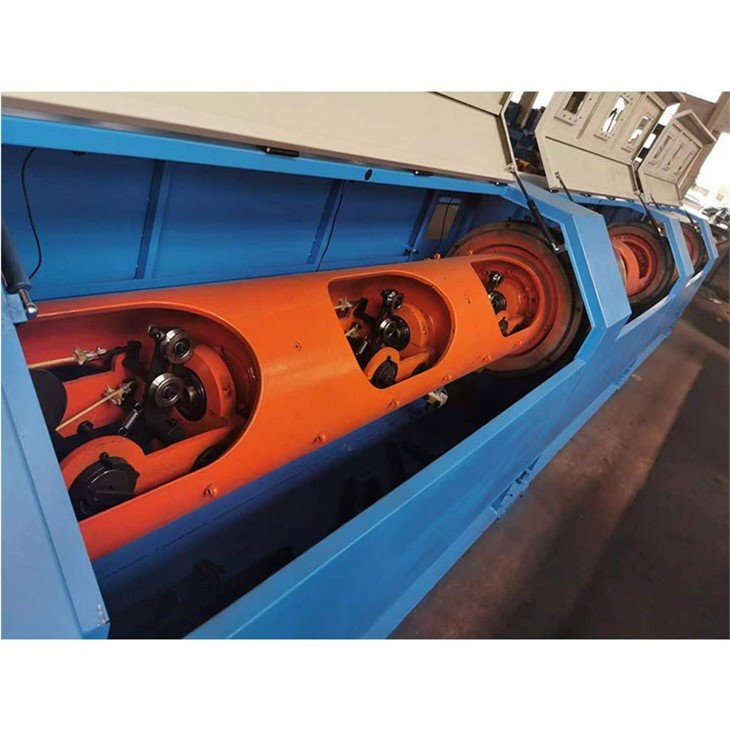
If you have any questions or would like to discuss your specific requirements, please feel free to contact us. We're here to help you find the perfect solution for your wire stranding needs.

References
- ISO 10816-3:2018, Mechanical vibration - Evaluation of machine vibration by measurements on non-rotating parts - Part 3: Industrial machines with nominal power above 15 kW and nominal speeds between 120 r/min and 15 000 r/min when measured in situ.
- Machinery Vibration: Analysis, Monitoring, and Instrumentation, by Robert B. Randall and John D. Antoniou.