


Hey there! As a supplier of the 50/3 Horizontal Pipe Stranding Machine, I often get asked about the stranding layer number limitation of this machine. So, I thought I'd write this blog to share some insights on this topic.
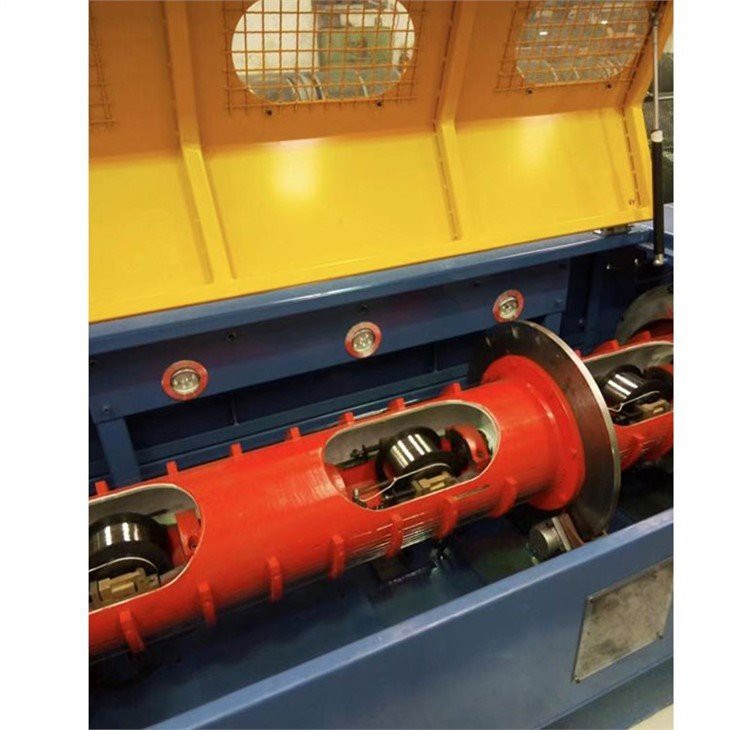
First off, let's understand what a 50/3 Horizontal Pipe Stranding Machine is. It's a piece of equipment used in the cable and wire manufacturing industry. The "50" usually refers to the diameter of the stranding cage in millimeters, and the "3" indicates the number of pay - off positions. This machine is designed to strand multiple wires together to form a single cable, which is a crucial step in cable production.
Now, the stranding layer number limitation is an important factor to consider. It's not just about how many layers you can stack; it has a direct impact on the quality and performance of the final cable product.
Factors Affecting Stranding Layer Number Limitation
1. Machine Design and Structure
The physical design of the 50/3 Horizontal Pipe Stranding Machine plays a huge role. The size of the stranding cage, the space available for wire movement, and the strength of the mechanical components all set the boundaries. If we try to add too many layers, the wires might not be able to move smoothly through the machine. There could be issues with wire tension, and the machine might experience excessive wear and tear.
For example, the stranding cage has a certain capacity to hold the wires in each layer. If we exceed this capacity, the wires will start to interfere with each other, leading to uneven stranding and potentially weak spots in the cable.
2. Wire Characteristics
The type, diameter, and material of the wires being stranded also matter. Thicker wires take up more space, so the number of layers we can achieve is limited. Different wire materials have different flexibility and stiffness. For instance, a copper wire is more flexible than a steel wire. When we use stiffer wires, it becomes more difficult to form multiple layers without causing damage to the wires or the machine.
If we're working with very fine wires, we might be able to achieve more layers. But at the same time, fine wires are more prone to breakage, especially when they're under high tension during the stranding process.
3. Tension Control
Proper tension control is essential for successful stranding. As we add more layers, it becomes increasingly difficult to maintain consistent tension across all the wires. If the tension is too high, the wires might break; if it's too low, the stranding will be loose and the cable won't have the desired mechanical properties.
The 50/3 Horizontal Pipe Stranding Machine has a tension control system, but there's a limit to how well it can handle multiple layers. When the number of layers exceeds this limit, the tension control becomes less effective, and the quality of the cable suffers.
Typical Stranding Layer Number Limitation
In general, for a 50/3 Horizontal Pipe Stranding Machine, the practical stranding layer number limitation is usually around 3 - 5 layers. This range is determined by the factors I mentioned above.
When we're working within this range, we can ensure that the wires are stranded evenly, the tension is well - controlled, and the machine operates smoothly. If we try to go beyond 5 layers, we'll likely face a lot of problems.
Let's take a look at some real - world examples. Suppose we're manufacturing a power cable. If we use a 50/3 Horizontal Pipe Stranding Machine to strand copper wires with a diameter of 1mm, we can usually achieve 3 - 4 layers without any major issues. But if we increase the wire diameter to 2mm, we might only be able to get 2 - 3 layers.
Comparison with Other Stranding Machines
It's interesting to compare the 50/3 Horizontal Pipe Stranding Machine with other types of stranding machines. For example, the Double Twist Stranding Machine has a different working principle. It can sometimes achieve a higher number of layers because of its unique design, which allows for more efficient wire movement and better tension control.
The 250/12 Horizontal Pipe Stranding Machine and the 200/6 Horizontal Pipe Stranding Machine also have different stranding layer number limitations. The 250/12 machine, with its larger stranding cage and more pay - off positions, can generally handle more layers compared to the 50/3 machine. On the other hand, the 200/6 machine has a smaller capacity, so its stranding layer number limitation is also relatively lower.

Importance of Staying within the Limitation
Staying within the stranding layer number limitation is crucial for several reasons. Firstly, it ensures the quality of the cable. A cable with well - stranded layers has better electrical conductivity, mechanical strength, and durability.
Secondly, it helps to extend the lifespan of the machine. When we operate the 50/3 Horizontal Pipe Stranding Machine within its design limits, the mechanical components experience less stress, and there's less chance of breakdowns and malfunctions.
Finally, it improves production efficiency. By avoiding problems caused by over - stranding, we can reduce production downtime and increase the overall output of high - quality cables.
Contact Us for More Information
If you're in the cable manufacturing business and are interested in the 50/3 Horizontal Pipe Stranding Machine, or if you have any questions about stranding layer number limitations or other aspects of our machines, don't hesitate to get in touch. We're here to provide you with the best solutions and support for your cable production needs.
References
- Cable Manufacturing Handbook
- Technical Manual of 50/3 Horizontal Pipe Stranding Machine