


In the realm of wire and cable manufacturing, the double twist stranding machine stands as a cornerstone piece of equipment. As a seasoned supplier of double twist stranding machines, I've witnessed firsthand the transformative impact these machines have on the industry. One of the most frequently asked questions from our clients is about the stranding force of a double twist stranding machine. In this blog post, I'll delve into the concept of stranding force, its significance, and how it affects the performance of double twist stranding machines.
Understanding Stranding Force
Stranding force refers to the force exerted during the stranding process to twist multiple wires or strands together into a single, unified cable. It is a critical parameter that determines the quality, strength, and stability of the final cable product. In a double twist stranding machine, the stranding force is generated by the rotation of the stranding head, which imparts a twisting motion to the wires as they pass through the machine.
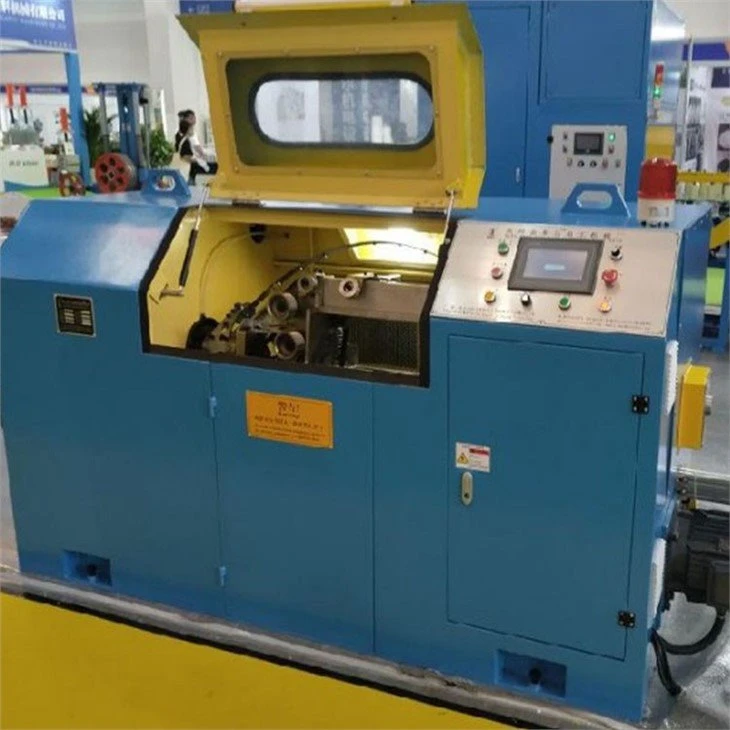
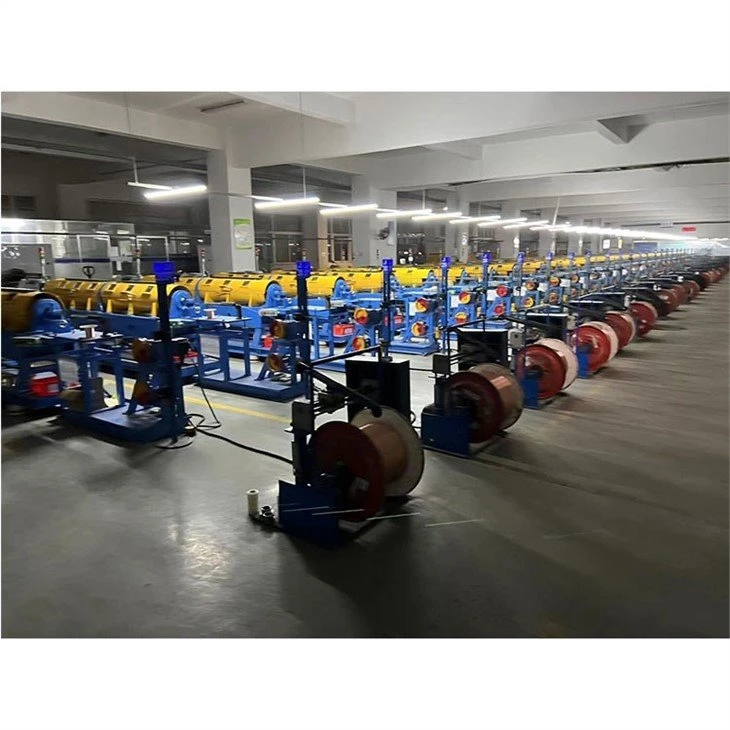
The stranding force is influenced by several factors, including the speed of the stranding head, the diameter and material of the wires being stranded, and the pitch of the twist. A higher stranding force generally results in a tighter twist and a more compact cable structure, which can enhance the cable's mechanical strength and electrical performance. However, excessive stranding force can also cause damage to the wires, such as breakage or deformation, and may lead to a decrease in the cable's flexibility and durability.
Significance of Stranding Force
The stranding force plays a crucial role in determining the quality and performance of the stranded cable. Here are some key aspects where the stranding force has a significant impact:
Mechanical Strength
A proper stranding force ensures that the individual wires are tightly bound together, creating a strong and stable cable structure. This is particularly important for cables that are subjected to high mechanical stress, such as those used in power transmission, telecommunications, and automotive applications. A cable with a higher mechanical strength is less likely to break or fail under tension, bending, or torsion, ensuring reliable operation in harsh environments.
Electrical Performance
The stranding force also affects the electrical properties of the cable, such as its resistance, capacitance, and inductance. A tight twist reduces the distance between the wires, which can lower the resistance and improve the conductivity of the cable. Additionally, a well-stranded cable has a more uniform distribution of electrical current, reducing the risk of electrical interference and signal loss. This is essential for high-speed data transmission and other applications where electrical performance is critical.
Flexibility and Durability
While a higher stranding force can enhance the mechanical strength of the cable, it is important to strike a balance to maintain the cable's flexibility and durability. Excessive stranding force can make the cable stiff and brittle, making it difficult to bend or install. On the other hand, a too low stranding force may result in a loose twist, which can cause the wires to separate or fray over time, reducing the cable's lifespan. Therefore, it is crucial to optimize the stranding force to ensure that the cable has the right combination of strength, flexibility, and durability.
Factors Affecting Stranding Force
As mentioned earlier, several factors can influence the stranding force of a double twist stranding machine. Let's take a closer look at these factors:
Stranding Head Speed
The speed of the stranding head is one of the primary factors that determine the stranding force. A higher speed generally results in a higher stranding force, as the wires are subjected to a greater twisting motion. However, increasing the speed also increases the risk of wire breakage and other quality issues. Therefore, it is important to find the optimal speed that balances the stranding force with the quality of the stranded cable.
Wire Diameter and Material
The diameter and material of the wires being stranded also have a significant impact on the stranding force. Thicker wires require a higher stranding force to achieve a tight twist, while thinner wires may require a lower force to prevent breakage. Additionally, different materials have different mechanical properties, such as stiffness and ductility, which can affect the stranding force. For example, copper wires are generally more ductile than aluminum wires, which means they can withstand a higher stranding force without breaking.
Twist Pitch
The twist pitch refers to the distance between two consecutive twists in the cable. A smaller twist pitch results in a tighter twist and a higher stranding force, while a larger twist pitch results in a looser twist and a lower stranding force. The twist pitch is typically determined by the application requirements and the design of the cable. For example, cables used in high-speed data transmission may require a smaller twist pitch to minimize electromagnetic interference.
Controlling Stranding Force in Double Twist Stranding Machines
As a supplier of double twist stranding machines, we understand the importance of controlling the stranding force to ensure the quality and performance of the stranded cable. Our machines are equipped with advanced control systems that allow for precise adjustment of the stranding force. Here are some of the key features of our machines that enable effective control of the stranding force:
Variable Speed Drive
Our double twist stranding machines are equipped with variable speed drives that allow for precise control of the stranding head speed. This enables operators to adjust the stranding force according to the specific requirements of the cable being stranded. By varying the speed, operators can optimize the stranding force to achieve the desired twist pitch and cable quality.
Tension Control System
A tension control system is another important feature of our double twist stranding machines. This system ensures that the wires are fed into the stranding head at a constant tension, which helps to maintain a consistent stranding force. By controlling the tension, operators can prevent wire breakage and other quality issues caused by uneven tension during the stranding process.
Automatic Monitoring and Adjustment
Our machines are also equipped with automatic monitoring and adjustment systems that continuously monitor the stranding force and other key parameters. If the stranding force deviates from the set value, the system automatically adjusts the speed or tension to maintain the desired force. This ensures that the cable quality remains consistent throughout the production process.
Applications of Double Twist Stranding Machines
Double twist stranding machines are widely used in various industries for the production of a wide range of cables, including power cables, telecommunications cables, automotive cables, and more. Here are some of the key applications of our double twist stranding machines:
Power Cables
Power cables are used to transmit electrical power from power plants to substations and ultimately to consumers. These cables are subjected to high mechanical stress and electrical loads, and therefore require a high-quality stranding process to ensure reliable operation. Our double twist stranding machines can produce power cables with a tight twist and a high mechanical strength, which are essential for long-distance power transmission.
Telecommunications Cables
Telecommunications cables are used to transmit data and voice signals over long distances. These cables require a high level of electrical performance and electromagnetic interference (EMI) protection. Our double twist stranding machines can produce telecommunications cables with a precise twist pitch and a uniform cable structure, which helps to minimize EMI and ensure high-speed data transmission.
Automotive Cables
Automotive cables are used in a variety of applications in vehicles, including power distribution, lighting, and communication systems. These cables are subjected to harsh environmental conditions, such as high temperatures, vibrations, and mechanical stress. Our double twist stranding machines can produce automotive cables with a high level of flexibility and durability, which are essential for reliable operation in automotive applications.
Conclusion
In conclusion, the stranding force is a critical parameter in the operation of double twist stranding machines. It plays a crucial role in determining the quality, strength, and performance of the stranded cable. As a supplier of double twist stranding machines, we are committed to providing our customers with high-quality machines that offer precise control of the stranding force. Our machines are equipped with advanced features and technologies that enable operators to optimize the stranding process and produce cables that meet the highest standards of quality and performance.
If you are in the market for a double twist stranding machine or have any questions about stranding force or our products, we invite you to [contact us for a detailed discussion and procurement negotiation]. Our team of experts is ready to assist you in finding the right solution for your specific needs.
References
- Grover, M. P. (2010). Principles of Modern Manufacturing: Materials, Processes, and Systems. John Wiley & Sons.
- Siddiqui, M. A. (2012). Handbook of Electrical and Electronics Engineering. CRC Press.
- 120/3 Horizontal Pipe Stranding Machine
- Stranding Machine
- 165/6 Horizontal Pipe Stranding Machine