


The noise level of industrial machinery is a critical concern for both operators and the surrounding environment. As a supplier of the 200/9 Horizontal Pipe Stranding Machine, I understand the importance of addressing this issue comprehensively. In this blog, we will delve into the noise level of the 200/9 Horizontal Pipe Stranding Machine during operation, exploring the factors that influence it, the potential impacts, and the measures we take to manage it.
Understanding the 200/9 Horizontal Pipe Stranding Machine
Before we discuss the noise level, let's first understand what the 200/9 Horizontal Pipe Stranding Machine is. This machine is a key piece of equipment in the cable and wire manufacturing industry. It is designed to strand multiple wires or cables together in a horizontal tubular configuration. The "200/9" specification typically refers to certain technical parameters of the machine, such as the maximum diameter of the stranded cable (200 mm) and the number of wire pay - offs (9).
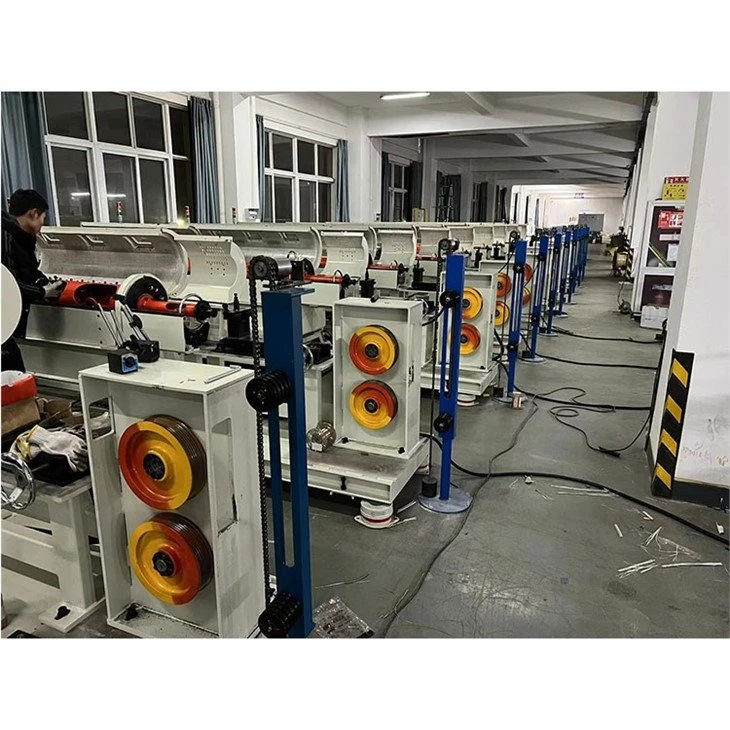
The stranding process involves the rotation of the tubular cage and the movement of the wires through various components of the machine, including pulleys, guides, and tensioning devices. These mechanical movements generate vibrations and, consequently, noise.
Factors Influencing the Noise Level
Several factors contribute to the noise level of the 200/9 Horizontal Pipe Stranding Machine during operation:
- Mechanical Components: The gears, bearings, and motors are the primary mechanical components that generate noise. As the machine operates, the meshing of gears can produce a characteristic whining or clicking sound. Worn - out bearings can also cause rattling noises. High - speed motors, especially those with unbalanced rotors, can generate significant noise due to the vibrations they produce.
- Speed of Operation: The faster the machine runs, the higher the noise level. When the tubular cage rotates at high speeds to achieve the desired stranding pitch, the centrifugal forces acting on the wires and the mechanical components increase, leading to more intense vibrations and noise.
- Material Handling: The movement of wires through the machine also affects the noise level. If the wires are not properly guided or tensioned, they can rub against the guides and pulleys, creating friction noise. Additionally, the unwinding and rewinding of wires can cause a rustling or hissing sound.
- Machine Design and Construction: The overall design and construction of the machine play a crucial role in noise generation. A well - designed machine with proper damping and vibration isolation features can significantly reduce the noise level. On the other hand, a poorly designed machine may have structural resonances that amplify the noise.
Measuring the Noise Level
To accurately assess the noise level of the 200/9 Horizontal Pipe Stranding Machine, we use professional noise measurement equipment. The noise level is typically measured in decibels (dB). In a typical industrial environment, the background noise level can range from 60 - 70 dB. When the 200/9 Horizontal Pipe Stranding Machine is in operation, the noise level at a distance of 1 meter from the machine can range from 80 - 90 dB, depending on the factors mentioned above.
It is important to note that continuous exposure to noise levels above 85 dB can cause hearing damage over time. Therefore, it is essential to take appropriate measures to control the noise level of the machine.

Potential Impacts of High Noise Levels
High noise levels from the 200/9 Horizontal Pipe Stranding Machine can have several negative impacts:
- Health Risks for Operators: As mentioned earlier, prolonged exposure to high - level noise can lead to hearing loss, tinnitus (ringing in the ears), and other auditory problems. It can also cause stress, fatigue, and reduced concentration, which can affect the operator's performance and safety.
- Environmental Impact: In an industrial setting, high noise levels can be a nuisance to nearby residents and other workers. It can also disrupt the natural habitat if the industrial facility is located near wildlife areas.
- Productivity: Excessive noise can make it difficult for operators to communicate effectively, leading to misunderstandings and potential errors in the production process. This can ultimately affect the productivity and quality of the stranded cables.
Noise Reduction Measures
As a responsible supplier of the 200/9 Horizontal Pipe Stranding Machine, we take several measures to reduce the noise level:
- Design Optimization: Our engineers use advanced design techniques to minimize the noise generated by the machine. This includes using high - quality gears and bearings with low - noise characteristics, and designing the machine structure to avoid resonance.
- Vibration Isolation: We install vibration isolation pads and dampers between the machine and the floor to reduce the transmission of vibrations. This helps to prevent the vibrations from being amplified by the building structure and reduces the overall noise level in the surrounding area.
- Enclosures: We offer optional sound - proof enclosures for the 200/9 Horizontal Pipe Stranding Machine. These enclosures are made of acoustic materials that absorb and reflect the sound waves, reducing the noise level reaching the outside environment.
- Maintenance and Lubrication: Regular maintenance of the machine, including lubrication of moving parts, can significantly reduce the noise level. Proper lubrication reduces friction between the mechanical components, which in turn reduces the vibrations and noise.
Comparison with Other Horizontal Pipe Stranding Machines
We also offer other models of horizontal pipe stranding machines, such as the 100/6 Horizontal Pipe Stranding Machine and the 80/12 Horizontal Pipe Stranding Machine. Generally, smaller machines like the 80/12 and 100/6 tend to have lower noise levels compared to the 200/9 Horizontal Pipe Stranding Machine. This is because they have smaller mechanical components and operate at relatively lower speeds. However, the noise reduction measures we apply to the 200/9 model can also be adapted to these smaller machines to further improve their noise performance.
Conclusion
The noise level of the 200/9 Horizontal Pipe Stranding Machine is influenced by various factors, including mechanical components, speed of operation, material handling, and machine design. While the machine does generate noise during operation, we take proactive measures to reduce it, such as design optimization, vibration isolation, and the use of enclosures.
If you are in the market for a Tubular Stranding Machine and are concerned about the noise level, we invite you to contact us for more information. Our team of experts can provide detailed specifications about the noise performance of our machines and help you choose the most suitable model for your needs. We are committed to providing high - quality, low - noise stranding solutions that meet your production requirements while ensuring the well - being of your operators and the surrounding environment.
References
- Industrial Noise Control Handbook, Second Edition, CRC Press.
- Standards for Occupational Noise Exposure, Occupational Safety and Health Administration (OSHA).