


As a supplier of the 120/6 Horizontal Pipe Stranding Machine, I'm often asked about the intricacies of its braking system. In this blog post, I'll delve into what makes the braking system of this machine so crucial and how it operates.
The Importance of the Braking System in a Horizontal Pipe Stranding Machine
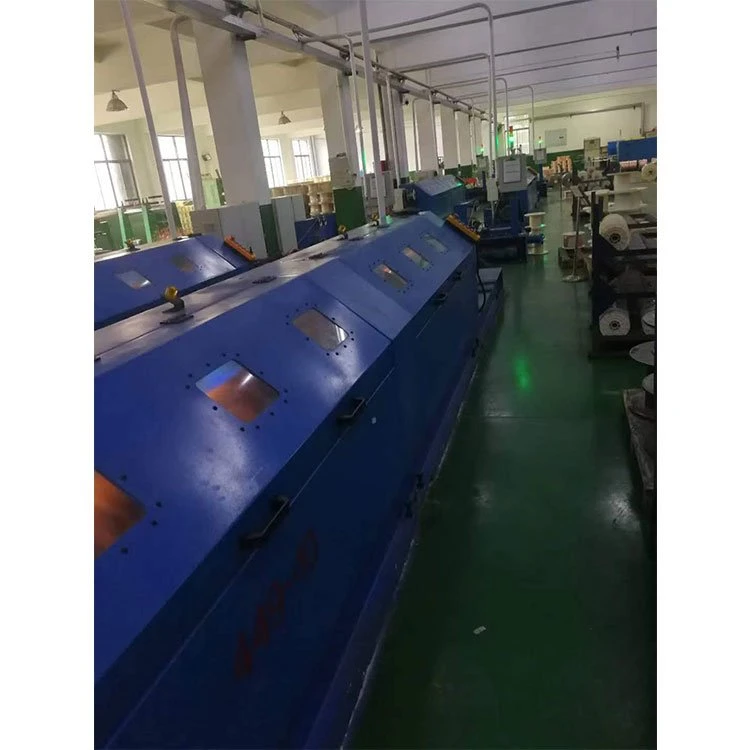
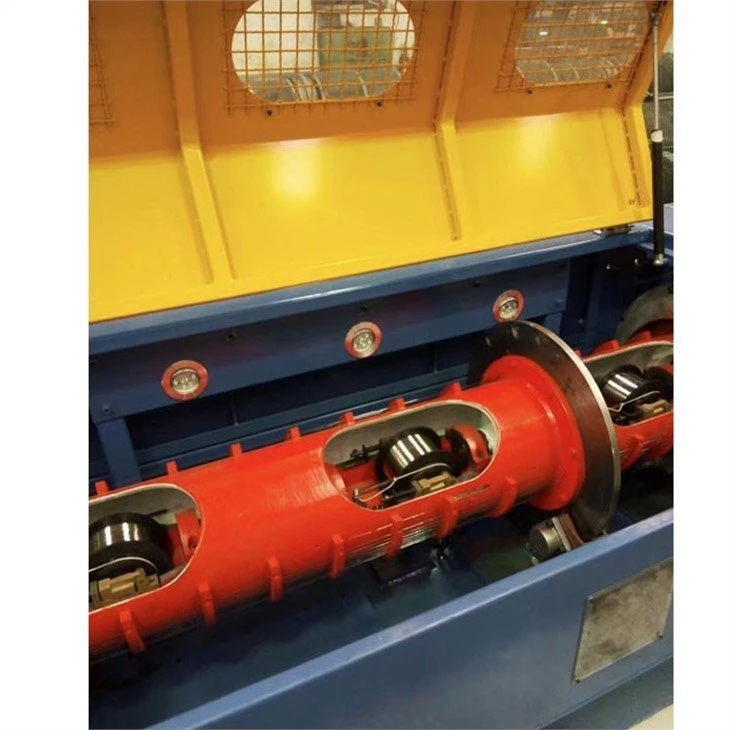
The 120/6 Horizontal Pipe Stranding Machine is designed to twist multiple wires or cables together to form a single, stronger unit. This process requires precise control over the speed and movement of the stranding elements. The braking system plays a vital role in ensuring the safety, accuracy, and efficiency of the stranding operation.
Firstly, safety is of utmost importance. During the stranding process, the machine operates at high speeds. In case of an emergency or a need to stop the machine suddenly, the braking system must be able to bring the moving parts to a halt quickly and safely. This prevents potential accidents and damage to the machine and the operator.
Secondly, accuracy is key. The stranding process requires a consistent and uniform twist of the wires or cables. The braking system helps to maintain the correct tension and speed, ensuring that the final product meets the required specifications. Without a reliable braking system, the stranding quality may be compromised, leading to defective products.
Finally, efficiency is also a significant factor. A well - designed braking system can reduce downtime by enabling quick and smooth stops and starts. This allows for more production cycles in a given time frame, increasing the overall productivity of the machine.
Components of the Braking System in the 120/6 Horizontal Pipe Stranding Machine
The braking system of the 120/6 Horizontal Pipe Stranding Machine consists of several key components, each with its own function.
Brake Discs
Brake discs are one of the most important components of the braking system. They are usually made of high - strength materials such as cast iron or steel. When the brakes are applied, the brake pads clamp down on the brake discs, creating friction. This friction converts the kinetic energy of the rotating parts into heat energy, which slows down and eventually stops the movement of the machine.
Brake Pads
Brake pads are in direct contact with the brake discs. They are made of a friction material that is designed to provide high friction and durability. Over time, the brake pads wear out due to the constant friction with the brake discs. Regular inspection and replacement of the brake pads are necessary to ensure the proper functioning of the braking system.
Hydraulic or Electromagnetic Actuators
The braking force is applied to the brake pads through hydraulic or electromagnetic actuators. In a hydraulic braking system, a hydraulic fluid is used to transfer the force from the brake pedal or control unit to the brake pads. This system provides a smooth and powerful braking action. On the other hand, an electromagnetic braking system uses an electromagnetic field to generate the braking force. Electromagnetic brakes are often used in applications where quick response times are required.
Control Unit
The control unit is responsible for monitoring and controlling the braking system. It receives signals from various sensors on the machine, such as speed sensors and position sensors. Based on these signals, the control unit determines when and how much braking force is needed. It can also adjust the braking force in real - time to adapt to different operating conditions.
How the Braking System Works
The operation of the braking system in the 120/6 Horizontal Pipe Stranding Machine can be divided into two main phases: normal operation and emergency braking.
Normal Operation
During normal operation, the control unit continuously monitors the speed and position of the machine. When the operator needs to slow down or stop the machine gradually, they send a signal to the control unit. The control unit then activates the actuators, which apply a proportional amount of braking force to the brake pads. The brake pads clamp down on the brake discs, and the friction between them slows down the rotating parts of the machine.
Emergency Braking
In case of an emergency, such as a sudden power failure or a malfunction, the emergency braking system is activated. This is usually a fail - safe mechanism that bypasses the normal control system. The emergency braking system applies maximum braking force immediately, bringing the machine to a stop as quickly as possible.
Comparison with Other Horizontal Pipe Stranding Machines
When comparing the 120/6 Horizontal Pipe Stranding Machine with other models such as the 165/18 Horizontal Pipe Stranding Machine, 250/3 Horizontal Pipe Stranding Machine, and 200/12 Horizontal Pipe Stranding Machine, the braking systems may have some differences.
Larger machines like the 165/18 and 250/3 may require more powerful braking systems due to their higher operating speeds and heavier loads. They may have larger brake discs and more powerful actuators to ensure effective braking. On the other hand, the 200/12 and 120/6 machines, which are designed for different production capacities, may have more compact and efficient braking systems that are tailored to their specific requirements.
Maintenance and Troubleshooting of the Braking System
Proper maintenance of the braking system is essential to ensure its long - term reliability and performance. Here are some maintenance tips:
- Regular Inspection: Inspect the brake discs and pads for wear and tear regularly. Replace them if they are worn beyond the recommended limits.
- Cleaning: Keep the brake components clean to prevent the accumulation of dirt and debris, which can affect the braking performance.
- Fluid Checks: If the machine uses a hydraulic braking system, check the hydraulic fluid level regularly and top it up if necessary.
In case of any problems with the braking system, such as a loss of braking power or abnormal noise, it's important to troubleshoot the issue promptly. Some common causes of braking problems include worn brake pads, air in the hydraulic system, or a malfunctioning control unit. If you're not sure how to diagnose or fix the problem, it's recommended to contact a professional technician.
Conclusion
The braking system of the 120/6 Horizontal Pipe Stranding Machine is a critical component that ensures the safety, accuracy, and efficiency of the stranding process. Understanding how it works and how to maintain it is essential for anyone involved in operating or managing this machine.
If you're interested in learning more about the 120/6 Horizontal Pipe Stranding Machine or other related products, or if you're considering a purchase for your production line, we're here to help. Our team of experts can provide you with detailed information and guidance to meet your specific needs. Contact us to start a purchase negotiation and take your production to the next level.
References
- "Handbook of Cable Manufacturing"
- "Mechanical Engineering Design"