


Hey there! As a supplier of the 250/6 Horizontal Pipe Stranding Machine, I often get asked about its anti - corrosion treatment. So, let's dive right into it.
First off, why is anti - corrosion treatment so important for the 250/6 Horizontal Pipe Stranding Machine? Well, this machine is often used in industrial environments where it can be exposed to moisture, chemicals, and other corrosive elements. Corrosion can lead to a bunch of problems, like reducing the machine's lifespan, affecting its performance, and increasing maintenance costs. So, proper anti - corrosion treatment is crucial to keep the machine running smoothly and efficiently for a long time.
Surface Cleaning
The first step in the anti - corrosion treatment process is surface cleaning. Before applying any anti - corrosion coatings, we need to make sure the surface of the machine is clean. This involves removing dirt, grease, rust, and other contaminants. We usually use a combination of mechanical and chemical cleaning methods.
For mechanical cleaning, we might use sandblasting or wire brushing. Sandblasting is a great way to remove tough rust and scale from the surface. It involves shooting small sand particles at high speed onto the machine's surface. This not only cleans the surface but also creates a rough texture, which helps the anti - corrosion coating adhere better. Wire brushing, on the other hand, is more suitable for smaller areas or for removing loose rust.
Chemical cleaning is also important. We use solvents or degreasers to remove grease and oil from the surface. These chemicals break down the contaminants and make them easier to wash away. After chemical cleaning, we rinse the surface thoroughly with water to remove any remaining chemicals.
Anti - Corrosion Coatings
Once the surface is clean, it's time to apply the anti - corrosion coatings. There are several types of coatings that we can use for the 250/6 Horizontal Pipe Stranding Machine.
Epoxy Coatings
Epoxy coatings are very popular for anti - corrosion purposes. They offer excellent adhesion, chemical resistance, and durability. Epoxy coatings form a tough, protective film on the surface of the machine. This film acts as a barrier between the metal and the corrosive environment.
We usually apply epoxy coatings in multiple layers. The first layer is called the primer. The primer helps the coating adhere to the metal surface and provides additional corrosion protection. After the primer dries, we apply one or more topcoats. The topcoats give the machine a smooth, finished look and further enhance the anti - corrosion properties.
Zinc - Rich Coatings
Zinc - rich coatings are another option. Zinc is a sacrificial metal, which means it corrodes before the base metal. When a zinc - rich coating is applied to the machine's surface, the zinc reacts with the oxygen and moisture in the air to form a protective layer of zinc oxide. This layer helps prevent the underlying metal from corroding.
Zinc - rich coatings are particularly effective in environments where the machine is exposed to saltwater or other highly corrosive substances. They are also good for providing long - term corrosion protection.
Polyurethane Coatings
Polyurethane coatings are known for their excellent weather resistance and abrasion resistance. They can withstand harsh environmental conditions, including UV radiation, rain, and snow. Polyurethane coatings are often used as a topcoat over epoxy or zinc - rich primers. They give the machine a glossy, attractive finish and provide an extra layer of protection against corrosion.
Cathodic Protection
In addition to coatings, we also use cathodic protection for the 250/6 Horizontal Pipe Stranding Machine. Cathodic protection is a method of preventing corrosion by making the metal surface the cathode of an electrochemical cell.
There are two main types of cathodic protection: sacrificial anode protection and impressed current protection.
Sacrificial Anode Protection
In sacrificial anode protection, we attach a more active metal (such as zinc or magnesium) to the machine's metal surface. The more active metal acts as an anode and corrodes instead of the machine's metal. This way, the machine's metal is protected from corrosion.
Sacrificial anode protection is relatively simple and cost - effective. It's suitable for small - scale applications or for protecting specific parts of the machine.
Impressed Current Protection
Impressed current protection involves applying an external electrical current to the machine's metal surface. This current counteracts the natural corrosion process and makes the metal surface a cathode. Impressed current protection is more complex and expensive than sacrificial anode protection, but it can provide more effective and long - term corrosion protection, especially in large - scale or highly corrosive environments.
Maintenance and Inspection
Even with proper anti - corrosion treatment, regular maintenance and inspection are still necessary. We need to check the anti - corrosion coatings regularly for signs of damage or wear. If any coatings are damaged, we need to repair or reapply them as soon as possible.
We also need to inspect the cathodic protection system to make sure it's working properly. This involves checking the anode's condition, the electrical connections, and the current output.
In addition to these, we should keep the machine clean and dry. Avoid exposing the machine to unnecessary moisture or chemicals. If the machine is used in a particularly corrosive environment, we might need to take additional protective measures, such as covering the machine when it's not in use.

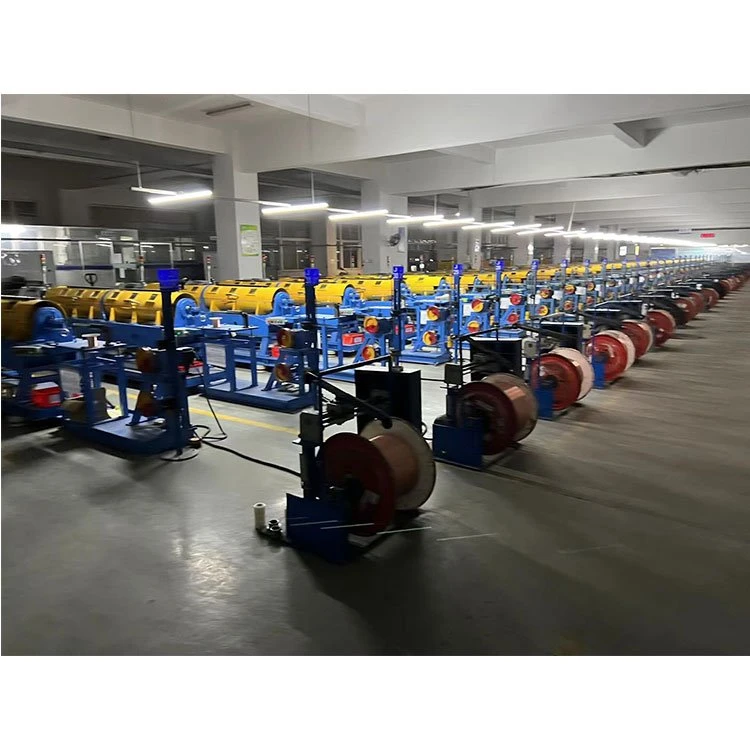
Other Horizontal Pipe Stranding Machines
If the 250/6 Horizontal Pipe Stranding Machine doesn't quite meet your needs, we also offer other models, like the 200/6 Horizontal Pipe Stranding Machine, the 80/12 Horizontal Pipe Stranding Machine, and the 165/18 Horizontal Pipe Stranding Machine. These machines also undergo the same high - quality anti - corrosion treatment processes to ensure their durability and performance.
If you're interested in our 250/6 Horizontal Pipe Stranding Machine or any of our other products, feel free to reach out to us for more information and to discuss your specific requirements. We're always happy to help you find the right machine for your business.
References
- ASM Handbook Volume 13A: Corrosion: Fundamentals, Testing, and Protection
- NACE International: Corrosion Basics: An Introduction