


Hey there! As a supplier of Double Twist Stranding Machines, I've seen a lot of customers scratching their heads over setting up the operating parameters. It can be a bit of a puzzle, but don't worry – I'm here to break it down for you in a way that's easy to understand.
Understanding the Basics
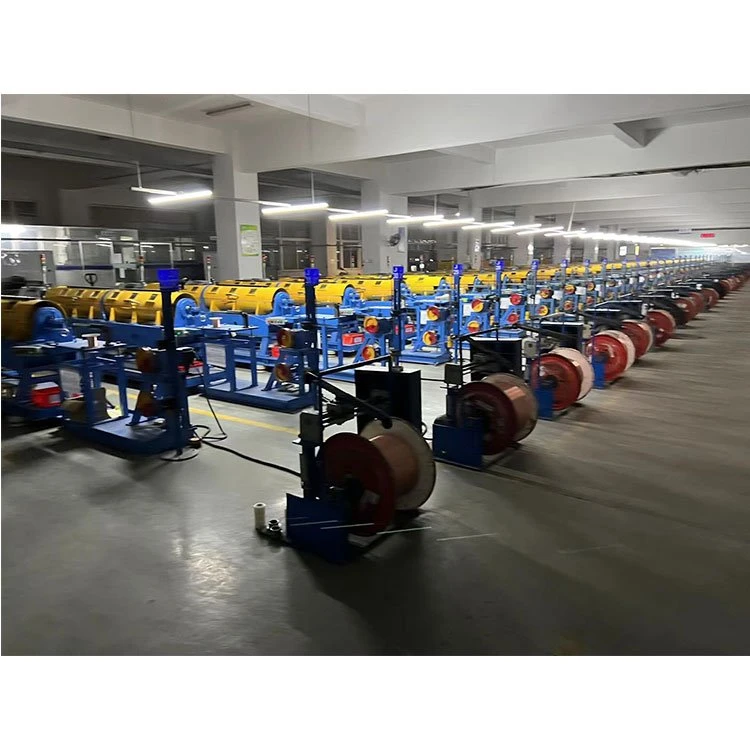
First things first, let's talk about what a Double Twist Stranding Machine actually does. This machine is used to twist multiple wires or strands together to form a single cable. It's a crucial piece of equipment in the cable manufacturing industry, and getting the operating parameters right is essential for producing high - quality cables.
The main operating parameters we'll be looking at include the stranding speed, the twist pitch, the tension of the strands, and the torque. Each of these parameters plays a vital role in the final product, so let's take a closer look at how to set them up.

Setting the Stranding Speed
The stranding speed is basically how fast the machine twists the strands together. It's measured in revolutions per minute (RPM). Setting the right speed is important because it affects both the productivity and the quality of the cable.
If you set the speed too high, the strands might not twist evenly, which can lead to a weak cable. On the other hand, if the speed is too low, your production will be slow, and you won't be able to meet your deadlines.
To set the stranding speed, you need to consider the type of cable you're making. For example, if you're making a thin, delicate cable, you'll want to go with a lower speed to ensure a smooth twist. But if you're making a thick, heavy - duty cable, you can usually get away with a higher speed.
Most modern Double Twist Stranding Machines come with a speed control panel. You can simply adjust the RPM according to your needs. It's a good idea to start with a lower speed and gradually increase it while monitoring the quality of the cable.
Determining the Twist Pitch
The twist pitch is the distance along the cable where one complete twist occurs. It's measured in millimeters or inches. The twist pitch affects the flexibility, strength, and electrical properties of the cable.
A smaller twist pitch means the strands are twisted more tightly together. This makes the cable stronger and more resistant to bending, but it also reduces its flexibility. A larger twist pitch, on the other hand, makes the cable more flexible but less strong.
To set the twist pitch, you need to refer to the cable specifications. These specifications are usually provided by the customer or determined by industry standards. Once you know the required twist pitch, you can adjust the machine accordingly. Some machines have a built - in pitch adjustment mechanism, while others may require you to change the gears or pulleys.
Controlling the Strand Tension
The tension of the strands is another critical parameter. If the tension is too high, the strands might break during the stranding process. If the tension is too low, the strands won't twist properly, and the cable will be loose and uneven.
To control the strand tension, most Double Twist Stranding Machines are equipped with tensioning devices. These devices can be mechanical, pneumatic, or electronic. You can adjust the tension by turning the knobs or using the control panel on the machine.
It's a good practice to check the tension regularly during the stranding process. You can use a tension meter to measure the actual tension of the strands. If the tension is off, make the necessary adjustments to ensure consistent quality.
Managing the Torque
Torque is the rotational force applied to the strands during the stranding process. It's important to maintain the right torque to ensure that the strands are twisted tightly and evenly.
If the torque is too low, the strands might not twist properly, and the cable will be loose. If the torque is too high, it can put excessive stress on the machine and the strands, leading to premature wear and tear.
Most Double Twist Stranding Machines have a torque control system. You can set the desired torque level on the control panel. The machine will then adjust the motor power to maintain the specified torque. It's a good idea to monitor the torque during operation and make adjustments as needed.
Using Our Machines as an Example
At our company, we offer a range of Double Twist Stranding Machines, including the 165/3 Horizontal Pipe Stranding Machine, the Tubular Stranding Machine, and the 165/18 Horizontal Pipe Stranding Machine. These machines are designed with user - friendly control panels that make it easy to set up and adjust the operating parameters.
For instance, the 165/3 Horizontal Pipe Stranding Machine has a digital speed control system that allows you to set the stranding speed accurately. The Tubular Stranding Machine comes with a precision pitch adjustment mechanism, so you can easily set the twist pitch according to your requirements. And the 165/18 Horizontal Pipe Stranding Machine has an advanced tension control system that ensures consistent strand tension throughout the stranding process.
Troubleshooting
Even if you set up the operating parameters correctly, you might still encounter some issues during the stranding process. Here are some common problems and how to fix them:
- Uneven Twisting: If you notice that the cable has uneven twists, it could be due to incorrect stranding speed, twist pitch, or strand tension. Check these parameters and make the necessary adjustments.
- Strand Breakage: Strand breakage can be caused by high tension or a sharp object in the machine. Check the tension and inspect the machine for any sharp edges or foreign objects.
- Loose Cable: A loose cable usually means that the torque is too low or the twist pitch is too large. Increase the torque or reduce the twist pitch.
Conclusion
Setting up the operating parameters of a Double Twist Stranding Machine is not rocket science, but it does require some knowledge and experience. By following the steps outlined above and paying attention to the details, you can produce high - quality cables efficiently.
If you're in the market for a Double Twist Stranding Machine or need more information on setting up the operating parameters, don't hesitate to get in touch with us. We're here to help you make the most of your cable manufacturing process.
References
- Cable Manufacturing Handbook
- Industry Standards for Cable Production