


As a supplier of the 200/3 Horizontal Pipe Stranding Machine, I understand the importance of maintaining the machine's optimal performance. Over time, certain parts of the machine will inevitably wear out due to continuous use. Replacing these worn - out parts in a timely and correct manner is crucial for the machine's efficiency and longevity. In this blog, I will guide you through the process of replacing the worn - out parts of the 200/3 Horizontal Pipe Stranding Machine.
1. Identifying the Worn - Out Parts
The first step in replacing worn - out parts is to accurately identify them. Regular inspections of the 200/3 Horizontal Pipe Stranding Machine are essential. During these inspections, pay close attention to components such as the stranding dies, wire guides, bearings, and drive belts.
Stranding dies are critical for shaping the wires into the desired strand configuration. Over time, they can wear down, leading to inconsistent strand quality. Signs of worn - out stranding dies include uneven wire lay, increased wire breakage, and a decrease in the overall quality of the stranded product.
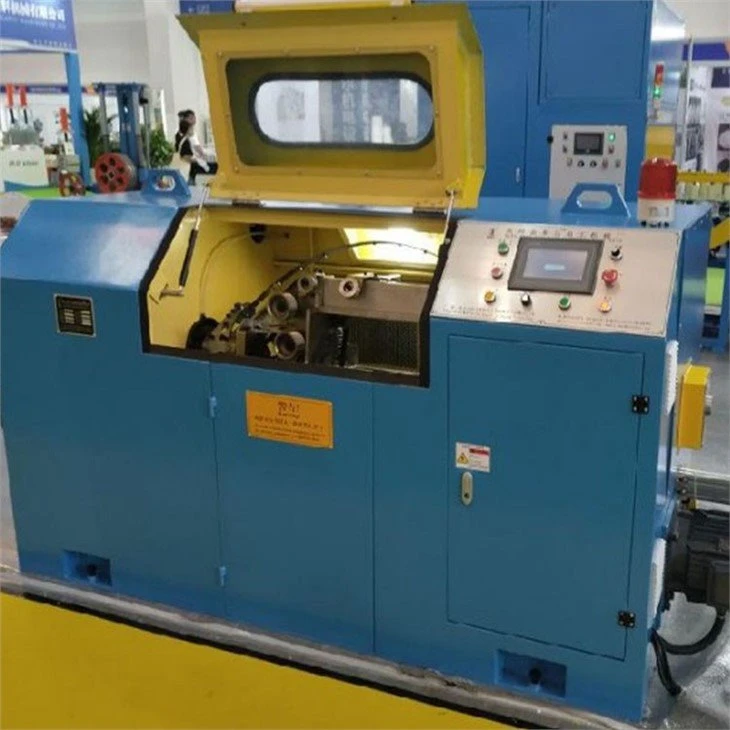
Wire guides are responsible for guiding the individual wires into the stranding area. If they are worn, the wires may not be properly aligned, resulting in irregular stranding. Look for signs of abrasion or deformation on the wire guides.

Bearings are used throughout the machine to support rotating components. Worn bearings can cause excessive vibration, noise, and even damage to other parts of the machine. Check for any play or roughness when rotating the bearings by hand.
Drive belts transfer power from the motor to various components of the machine. A worn - out drive belt may slip, reducing the machine's efficiency. Look for signs of cracking, fraying, or excessive wear on the drive belt.
2. Sourcing the Replacement Parts
Once you have identified the worn - out parts, the next step is to source the replacement parts. As a supplier of the 200/3 Horizontal Pipe Stranding Machine, we offer a wide range of genuine replacement parts. Using genuine parts ensures compatibility and optimal performance of the machine.
When sourcing parts, it is also important to consider the quality of the parts. High - quality parts may cost more initially but can save you money in the long run by reducing downtime and extending the lifespan of the machine. You can find more information about our Wire Stranding Machine and Stranding Machine on our website, where you can also explore the range of replacement parts available.

3. Preparing for the Replacement
Before starting the replacement process, it is crucial to prepare properly. First, ensure that the machine is powered off and disconnected from the power source to prevent any electrical hazards.
Gather all the necessary tools for the replacement. Common tools may include wrenches, screwdrivers, pliers, and bearing pullers. Make sure the tools are in good condition and of the correct size for the job.

It is also a good idea to clean the area around the part to be replaced. This helps prevent dirt and debris from entering the machine during the replacement process.
4. Replacing the Stranding Dies
The stranding dies are among the most important parts of the 200/3 Horizontal Pipe Stranding Machine. To replace them, follow these steps:
- First, remove the old stranding dies. Use the appropriate wrenches to loosen the bolts or clamps holding the dies in place. Carefully lift the old dies out of the die holder.
- Clean the die holder thoroughly to remove any debris or residue. This ensures a proper fit for the new dies.
- Place the new stranding dies into the die holder. Make sure they are properly aligned and seated.
- Tighten the bolts or clamps securely to hold the new dies in place. Check the alignment again to ensure that the dies are centered correctly.
5. Replacing the Wire Guides
Replacing the wire guides is a relatively straightforward process:
- Locate the worn wire guides. They are usually located along the wire path of the machine.
- Use a screwdriver or other appropriate tool to remove the fasteners holding the wire guides in place.
- Take out the old wire guides and clean the mounting area.
- Install the new wire guides in the same position as the old ones. Make sure they are properly aligned to guide the wires smoothly.
- Secure the new wire guides with the fasteners.
6. Replacing the Bearings
Replacing bearings requires more precision and care:
- First, identify the location of the worn bearings. They may be located in the drive shafts, pulleys, or other rotating components.
- Use a bearing puller to remove the old bearings. This tool helps to safely and efficiently remove the bearings without damaging the surrounding components.
- Clean the bearing housing thoroughly to remove any dirt or grease.
- Apply a thin layer of lubricant to the new bearings. This helps to reduce friction and extend the life of the bearings.
- Carefully press the new bearings into the bearing housing using a suitable press or by gently tapping them in with a soft - faced hammer. Make sure they are properly seated and aligned.
7. Replacing the Drive Belts
The drive belts play a crucial role in power transmission. Here's how to replace them:
- Locate the drive belt tensioner. This is usually a pulley or a mechanism that can be adjusted to change the tension of the belt.
- Loosen the tensioner to relieve the tension on the drive belt.
- Remove the old drive belt from the pulleys.
- Select the correct replacement drive belt. Make sure it has the same size and specifications as the old belt.
- Install the new drive belt on the pulleys.
- Adjust the tensioner to apply the correct tension to the new drive belt. The belt should be tight enough to prevent slipping but not so tight that it causes excessive wear on the bearings or other components.
8. Testing the Machine
After replacing all the worn - out parts, it is essential to test the machine. Reconnect the power source and turn on the machine. Start the machine at a low speed and observe its operation.
Check for any abnormal noises, vibrations, or other signs of problems. Make sure that the stranded product has the correct quality and that the wires are properly guided and stranded. If any issues are detected, stop the machine immediately and troubleshoot the problem.
9. Maintenance Tips
To prevent premature wear of the parts in the 200/3 Horizontal Pipe Stranding Machine, regular maintenance is essential. Here are some maintenance tips:
- Keep the machine clean. Regularly remove dirt, dust, and debris from the machine using a clean cloth or a compressed air gun.
- Lubricate the moving parts regularly. Use the recommended lubricants for each component to reduce friction and wear.
- Check the tension of the drive belts regularly. Adjust the tension as needed to ensure proper power transmission.
- Inspect the machine for any signs of wear or damage on a regular basis. Early detection of problems can prevent more serious issues from occurring.
In addition to the 200/3 Horizontal Pipe Stranding Machine, we also offer the 250/9 Horizontal Pipe Stranding Machine, which is suitable for different production requirements.
If you are interested in our products or need more information about replacing parts of the 200/3 Horizontal Pipe Stranding Machine, please feel free to contact us for procurement discussions. We are committed to providing you with high - quality products and excellent after - sales service.
References
- Industry standards for wire stranding machines.
- Manufacturer's manual for the 200/3 Horizontal Pipe Stranding Machine.