


As a supplier of the 200/9 Horizontal Pipe Stranding Machine, I'm here to share a comprehensive guide on how to operate its pay - off device. This machine is a crucial piece of equipment in the cable and wire manufacturing industry, and the proper operation of the pay - off device is essential for achieving high - quality stranding results.
Understanding the Pay - off Device of the 200/9 Horizontal Pipe Stranding Machine
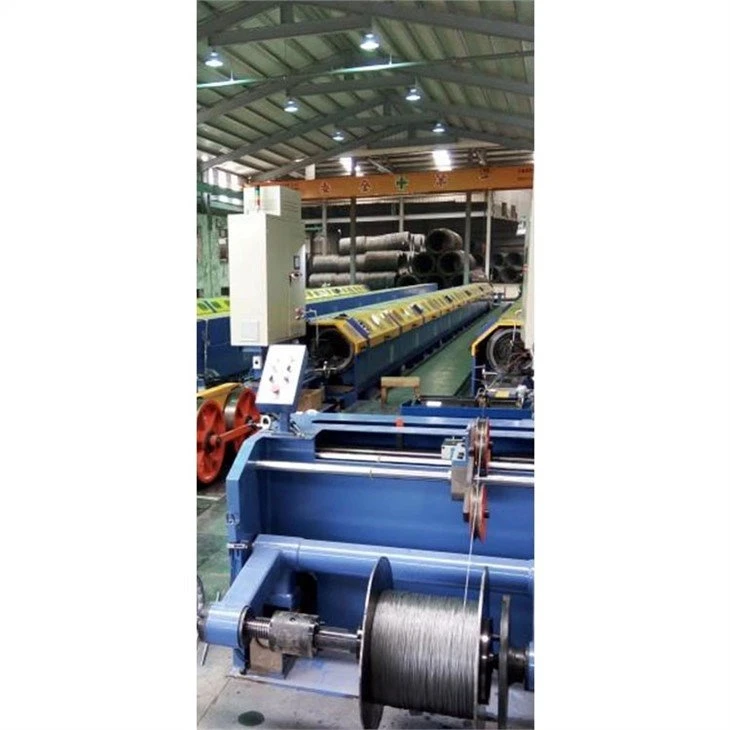
The pay - off device of the 200/9 Horizontal Pipe Stranding Machine is designed to feed the individual wires or cables into the stranding process smoothly and evenly. It consists of several key components, including the wire spools, brakes, tension control systems, and guiding mechanisms.
The wire spools are where the individual wires are wound. They need to be installed correctly on the pay - off device to ensure a proper wire feed. The brakes are used to control the rotation speed of the spools, which helps in maintaining the right tension in the wires during the pay - off process. The tension control system is responsible for adjusting the tension of the wires continuously, and the guiding mechanisms direct the wires towards the stranding area.
Pre - operation Checks
Before starting the pay - off device, a series of pre - operation checks are necessary. First, inspect the wire spools. Make sure they are in good condition, without any visible damage or deformation. The wires on the spools should be wound neatly and without any knots or tangles.
Check the brakes of the pay - off device. They should be adjusted properly so that they can effectively control the rotation of the spools. A loose brake may cause the spools to rotate too freely, leading to excessive wire slack, while an overly tight brake can cause the wires to break or create uneven tension.
Inspect the tension control system. Ensure that it is calibrated correctly. You can test it by manually pulling the wire and observing the tension reading. The guiding mechanisms should also be checked for any blockages or misalignments. Clean them if necessary to ensure smooth wire passage.
Loading the Wire Spools
Loading the wire spools onto the pay - off device is a critical step. First, select the appropriate wire spools according to the specifications of the stranding process. Align the spools with the spool holders on the pay - off device. Make sure they are centered and firmly seated.
Use the locking mechanisms provided on the spool holders to secure the spools in place. This will prevent the spools from moving or vibrating during the pay - off process, which could lead to wire irregularities. After loading the spools, thread the wires through the guiding mechanisms. Start from the spool and carefully guide the wire through each guide, ensuring that it follows the correct path towards the stranding area.

Setting the Tension
Proper tension setting is vital for a successful pay - off operation. Start by setting an initial tension value based on the type and diameter of the wires. This value can usually be found in the machine's operation manual or determined through previous experience.
Use the tension control system to adjust the tension. You can monitor the tension using tension sensors or meters installed on the pay - off device. As the machine starts running, observe the wire feed. If the wires are too loose, increase the tension slightly. If they are too tight, reduce the tension. Continuously fine - tune the tension during the operation to ensure consistent wire quality.
Starting the Pay - off Device
Once all the pre - operation checks are completed, the wire spools are loaded, and the tension is set, you can start the pay - off device. First, turn on the power supply to the machine. Then, start the pay - off device's motor. The spools will start rotating, and the wires will begin to feed into the stranding area.
Monitor the wire feed closely during the initial start - up. Check for any signs of abnormal wire movement, such as excessive vibration or uneven tension. If any issues are detected, stop the machine immediately and troubleshoot the problem.
Monitoring the Pay - off Process
During the pay - off process, continuous monitoring is necessary. Keep an eye on the tension of the wires. Fluctuations in tension can lead to uneven stranding, which may affect the quality of the final product. If the tension changes, adjust the tension control system accordingly.
Inspect the wire spools regularly. Make sure they are rotating smoothly and that the wires are unwinding evenly. Check for any signs of wire breakage or excessive wear. If a wire breaks, stop the machine immediately, remove the broken wire, and re - thread a new one.
Also, monitor the guiding mechanisms. Ensure that the wires are still following the correct path and that there are no blockages. Any blockage can cause the wires to bunch up or break, disrupting the stranding process.
Stopping the Pay - off Device
When the stranding process is completed or if there is an emergency, you need to stop the pay - off device properly. First, turn off the motor of the pay - off device. Then, turn off the power supply to the machine.
After stopping the machine, release the tension on the wires. This will prevent the wires from being under stress for an extended period, which could cause deformation. Remove any remaining wires from the spools if necessary, and clean the pay - off device to prepare it for the next operation.
Troubleshooting Common Issues
There are several common issues that may occur during the operation of the pay - off device. One of the most common problems is uneven wire tension. This can be caused by a faulty tension control system, misaligned spools, or worn - out brakes. To solve this problem, first, check the tension control system for any malfunctions. If it is working properly, check the spool alignment and adjust the brakes if necessary.
Another common issue is wire breakage. This can be due to excessive tension, wire damage on the spool, or blockages in the guiding mechanisms. Check the tension setting and reduce it if it is too high. Inspect the wires on the spool for any damage and replace the spool if needed. Clean the guiding mechanisms to remove any blockages.
If the spools are not rotating smoothly, it may be because of a mechanical problem, such as a jammed bearing or a loose belt. Inspect the mechanical components of the pay - off device and repair or replace any damaged parts.
Related Products
In addition to the 200/9 Horizontal Pipe Stranding Machine, we also offer other models such as the 100/3 Horizontal Pipe Stranding Machine, 200/12 Horizontal Pipe Stranding Machine, and 120/3 Horizontal Pipe Stranding Machine. These machines are suitable for different production requirements and can provide high - quality stranding solutions.
Contact for Purchase and Discussion
If you are interested in our 200/9 Horizontal Pipe Stranding Machine or any of our other products, we welcome you to contact us for purchase and further discussion. Our team of experts is ready to provide you with detailed information, technical support, and customized solutions to meet your specific needs.
References
- Cable and Wire Manufacturing Handbook
- Technical Manual of 200/9 Horizontal Pipe Stranding Machine