


As a provider of high - quality stranding machines, I understand the critical role that the lubrication system plays in the performance and longevity of these complex pieces of equipment. In this blog, I'll share some professional insights on how to maintain the lubrication system of a stranding machine.
Understanding the Lubrication System of a Stranding Machine
Before delving into maintenance, it's essential to have a basic understanding of the lubrication system in a stranding machine. The lubrication system is designed to reduce friction between moving parts, dissipate heat, and prevent wear and corrosion. It typically consists of a lubricant reservoir, pumps, filters, and distribution channels that deliver the lubricant to key components such as gears, bearings, and chains.
Regular Inspection
Regular inspection is the cornerstone of maintaining the lubrication system of a stranding machine. Here are the key aspects to focus on:
Lubricant Level
Check the lubricant level in the reservoir frequently. A low lubricant level can lead to insufficient lubrication, increased friction, and ultimately, damage to the machine's components. Most stranding machines are equipped with a sight glass or a level indicator that allows you to easily monitor the lubricant level. If the level is low, add the appropriate lubricant as recommended by the machine's manufacturer.
Lubricant Condition
The quality of the lubricant is just as important as its quantity. Over time, lubricants can become contaminated with dirt, metal particles, and moisture. Inspect the lubricant for signs of discoloration, cloudiness, or the presence of debris. If the lubricant appears dirty or has an unusual odor, it may need to be changed. You can also use a lubricant analysis kit to test the lubricant's viscosity, acidity, and other properties to determine if it's still suitable for use.
Filter Condition
The filters in the lubrication system are responsible for removing contaminants from the lubricant. Check the filters regularly for clogging or damage. A clogged filter can restrict the flow of lubricant, reducing its effectiveness and potentially causing damage to the machine. If the filter is dirty or damaged, replace it with a new one according to the manufacturer's instructions.
Leaks
Inspect the lubrication system for any signs of leaks. Leaks can occur at connections, seals, or gaskets. Even a small leak can lead to a loss of lubricant, which can compromise the machine's performance. Look for signs of oil stains or puddles around the machine. If you detect a leak, identify the source and repair it immediately. This may involve tightening connections, replacing seals, or repairing damaged components.
Lubricant Replacement
Replacing the lubricant at the recommended intervals is crucial for maintaining the health of the stranding machine. The frequency of lubricant replacement depends on several factors, including the type of lubricant, the operating conditions of the machine, and the manufacturer's recommendations.
Manufacturer's Recommendations
Refer to the machine's manual for the specific lubricant replacement schedule. The manufacturer will provide guidelines based on the machine's design and intended use. Following these recommendations will help ensure optimal performance and prevent premature wear and tear.
Lubricant Selection
Using the right lubricant is essential. Different stranding machines may require different types of lubricants, depending on factors such as the operating temperature, load, and speed. Consult the machine's manufacturer or a lubrication expert to select the appropriate lubricant for your machine. Using the wrong lubricant can lead to poor lubrication, increased friction, and damage to the machine's components.
Cleaning and Maintenance of Lubrication System Components
In addition to regular inspections and lubricant replacement, it's important to clean and maintain the components of the lubrication system.
Reservoir Cleaning
Periodically clean the lubricant reservoir to remove any accumulated dirt, debris, or sludge. Drain the old lubricant from the reservoir and use a suitable cleaning agent to clean the interior surfaces. Rinse the reservoir thoroughly with clean water and allow it to dry completely before refilling it with fresh lubricant.
Pump Maintenance
The pump is responsible for circulating the lubricant throughout the system. Check the pump regularly for proper operation. Listen for any unusual noises or vibrations, which may indicate a problem with the pump. Clean the pump's intake and outlet ports to ensure unrestricted flow of lubricant. If the pump is not functioning properly, it may need to be repaired or replaced.
Distribution Channels
Inspect the distribution channels, such as pipes and hoses, for blockages or leaks. Use compressed air or a cleaning solution to flush out any debris that may have accumulated in the channels. Check the connections between the channels and the machine's components to ensure they are secure and leak - free.

Training and Operator Awareness
Proper training of machine operators is essential for the effective maintenance of the lubrication system. Operators should be educated on the importance of lubrication, how to perform regular inspections, and what to do in case of a lubrication - related problem.
Training Programs
Provide comprehensive training programs for your operators that cover all aspects of the stranding machine's lubrication system. Include hands - on training on how to check the lubricant level, inspect the lubricant condition, and perform basic maintenance tasks. Regularly review and update the training programs to ensure that operators are aware of the latest maintenance procedures and best practices.
Operator Awareness
Encourage operators to be vigilant and report any abnormalities or potential problems with the lubrication system immediately. They should be familiar with the machine's warning signs, such as unusual noises, vibrations, or temperature changes, which may indicate a lubrication issue. By promoting operator awareness, you can catch and address lubrication problems early, preventing costly repairs and downtime.
Our Stranding Machine Offerings
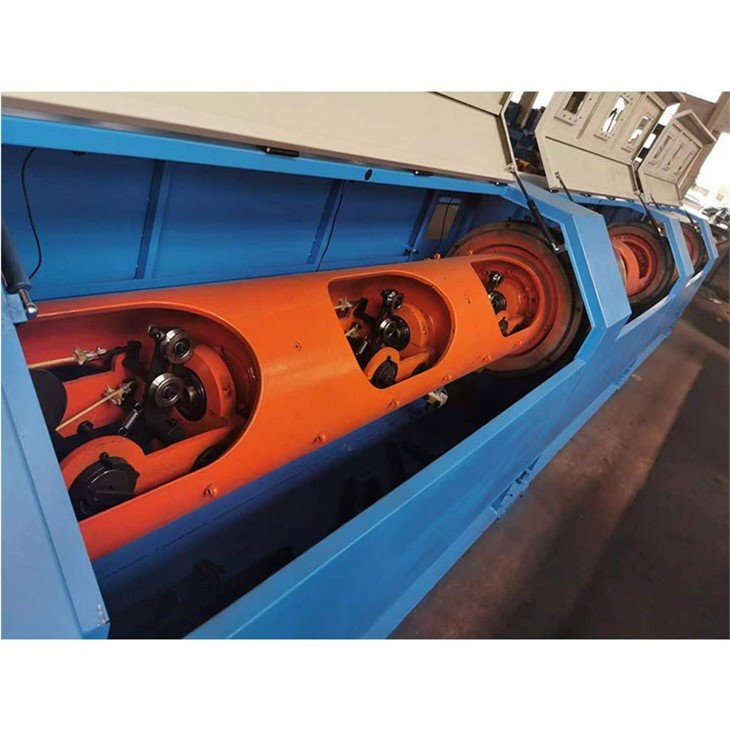
At our company, we offer a wide range of high - quality stranding machines, including the 250/6 Horizontal Pipe Stranding Machine, 200/18 Horizontal Pipe Stranding Machine, and 250/3 Horizontal Pipe Stranding Machine. These machines are designed with advanced lubrication systems to ensure smooth operation and long - term reliability.
Contact Us for Purchase and Consultation
If you're in the market for a new stranding machine or need further advice on maintaining your existing machine's lubrication system, we're here to help. Our team of experts can provide you with detailed information about our products, offer customized solutions to meet your specific needs, and assist you with any technical questions you may have.
References
- Machinery Lubrication Handbook, 3rd Edition
- Stranding Machine Manufacturer's Manuals
- Lubrication Engineering Standards and Guidelines