


Ensuring the uniformity of wire stranding is crucial in the cable manufacturing process, as it directly impacts the quality and performance of the final product. As a supplier of the 200/6 Horizontal Pipe Stranding Machine, I have witnessed firsthand the challenges that manufacturers face in achieving consistent and uniform wire stranding. In this blog post, I will share some insights and best practices on how to ensure the uniformity of wire stranding with the 200/6 Horizontal Pipe Stranding Machine.
Understanding the 200/6 Horizontal Pipe Stranding Machine
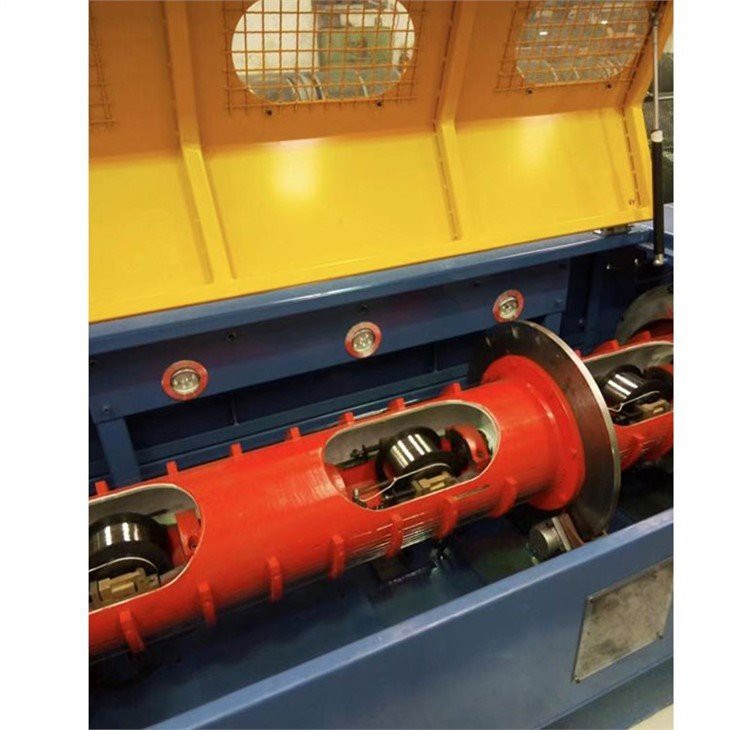
Before delving into the techniques for ensuring uniformity, it is essential to understand the basic working principle of the 200/6 Horizontal Pipe Stranding Machine. This machine is designed to strand multiple wires together in a horizontal configuration. It consists of a pay - off section, a stranding section, and a take - up section.
In the pay - off section, individual wires are unwound from spools. The stranding section is where the wires are twisted together to form a single cable. The take - up section then winds the stranded cable onto a spool for storage or further processing.
Factors Affecting Wire Stranding Uniformity
Several factors can influence the uniformity of wire stranding. These include:
1. Wire Tension
Proper wire tension is critical for uniform stranding. If the tension of individual wires is not consistent, some wires may be tighter than others, leading to an uneven cable structure. For example, if one wire has a higher tension, it will be pulled more tightly during the stranding process, causing it to be more prominent in the final cable.
2. Spool Quality and Mounting
The quality of the wire spools and how they are mounted on the pay - off section can also affect uniformity. Worn - out or damaged spools may cause irregular wire unwinding. Additionally, improper mounting of spools can lead to variations in wire tension.
3. Stranding Speed
The speed at which the machine operates can impact the uniformity of stranding. If the speed is too high, the wires may not have enough time to twist together properly, resulting in an uneven cable. On the other hand, if the speed is too low, it can reduce production efficiency without necessarily improving uniformity.
4. Machine Maintenance
Regular maintenance of the 200/6 Horizontal Pipe Stranding Machine is essential. Components such as gears, bearings, and guides can wear out over time. Worn components can cause vibrations and misalignments, which in turn affect the stranding process.
Techniques to Ensure Uniformity
1. Precise Tension Control
To ensure consistent wire tension, the 200/6 Horizontal Pipe Stranding Machine should be equipped with a reliable tension control system. This system can monitor and adjust the tension of each wire in real - time. For example, some advanced machines use pneumatic or electronic tension controllers. These controllers can sense the tension of the wire and make automatic adjustments to keep it within a specified range.

2. High - Quality Spools and Proper Mounting
Using high - quality wire spools is a must. Spools should be made of durable materials and have a smooth surface to ensure easy wire unwinding. When mounting spools on the pay - off section, make sure they are centered and properly secured. This will help maintain consistent wire tension throughout the stranding process.
3. Optimal Stranding Speed
Determine the optimal stranding speed for your specific application. This may require some trial and error. Start with a relatively low speed and gradually increase it while monitoring the quality of the stranded cable. The goal is to find a speed that allows the wires to twist together evenly without causing any defects.
4. Regular Machine Maintenance
Develop a comprehensive maintenance schedule for the 200/6 Horizontal Pipe Stranding Machine. This should include regular cleaning, lubrication, and inspection of all components. Replace worn - out parts promptly to prevent any negative impacts on the stranding process.
Comparison with Other Horizontal Pipe Stranding Machines
While the 200/6 Horizontal Pipe Stranding Machine is a reliable choice for many applications, there are other models available in the market. For instance, the 165/3 Horizontal Pipe Stranding Machine is suitable for smaller - scale operations where fewer wires need to be stranded. It may have a different pay - off and stranding capacity compared to the 200/6 model.
On the other hand, the 250/12 Horizontal Pipe Stranding Machine is designed for larger - scale production, capable of handling more wires and producing thicker cables. The 100/6 Horizontal Pipe Stranding Machine is a more compact option, ideal for applications with limited space.
Monitoring and Quality Control
In addition to the above techniques, continuous monitoring and quality control are essential for ensuring wire stranding uniformity.
1. Visual Inspection
Regularly inspect the stranded cable visually. Look for any signs of unevenness, such as bulges or gaps in the cable structure. If any defects are detected, stop the machine immediately and identify the root cause.
2. Dimensional Measurement
Use measuring tools such as calipers to measure the diameter of the stranded cable at different points. A consistent diameter indicates uniform stranding. Any significant variations in diameter may suggest problems with the stranding process.
3. Electrical Testing
For cables used in electrical applications, perform electrical tests to check for consistent conductivity. Uneven stranding can lead to variations in electrical properties, which can affect the performance of the cable in its intended application.
Conclusion
Ensuring the uniformity of wire stranding with the 200/6 Horizontal Pipe Stranding Machine requires a comprehensive approach. By controlling wire tension, using high - quality spools, maintaining the machine properly, and implementing effective monitoring and quality control measures, manufacturers can produce high - quality stranded cables.
If you are in the market for a reliable horizontal pipe stranding machine or need more information on how to optimize the performance of your existing machine, we are here to help. Our team of experts can provide you with in - depth technical support and guidance. Contact us to start a discussion about your specific requirements and how our 200/6 Horizontal Pipe Stranding Machine can meet them.
References
- Cable Manufacturing Handbook, Third Edition. CRC Press.
- "Advances in Wire Stranding Technology" - Journal of Cable Engineering, Vol. 15, Issue 2.
- "Optimizing Wire Stranding Processes for High - Quality Cables" - Proceedings of the International Cable Manufacturing Conference.