


Balancing the tension between different wires in a wire stranding machine is a critical aspect of the wire manufacturing process. As a supplier of Stranding Machine, we understand the importance of achieving uniform tension to ensure high - quality stranded wires. In this blog, we will explore the challenges associated with tension imbalance, the factors that affect wire tension, and provide practical solutions for maintaining proper tension in a wire stranding machine.
Challenges of Tension Imbalance in Wire Stranding
Tension imbalance can lead to a variety of problems during the wire stranding process. Firstly, uneven tension can cause the stranded wire to have an irregular shape. Wires with higher tension are more likely to be pulled tighter, while those with lower tension may be looser. This can result in a non - circular cross - section of the stranded wire, which is unacceptable in many applications where a consistent shape is required.
Secondly, tension imbalance can affect the mechanical properties of the stranded wire. Wires under excessive tension may be more prone to breakage during the stranding process or in subsequent handling. On the other hand, wires with insufficient tension may not be properly integrated into the stranded structure, leading to reduced strength and durability of the final product.
Finally, tension imbalance can also impact the electrical properties of the stranded wire. In electrical applications, the uniformity of the stranded wire is crucial for ensuring consistent conductivity. Uneven tension can cause variations in the spacing between wires, which may lead to differences in electrical resistance and capacitance, ultimately affecting the performance of the electrical system.
Factors Affecting Wire Tension in a Stranding Machine
Several factors can influence the tension of wires in a wire stranding machine. Understanding these factors is essential for effectively balancing the tension.
1. Wire Material and Diameter
Different wire materials have different mechanical properties, such as elasticity and stiffness. For example, copper wires are more ductile than steel wires, which means they can be stretched more easily under the same tension. Additionally, the diameter of the wire also plays a significant role. Thicker wires generally require higher tension to be properly stranded compared to thinner wires.
2. Pay - off System
The pay - off system is responsible for feeding the individual wires into the stranding machine. The design and operation of the pay - off system can have a significant impact on wire tension. Uneven pay - off, such as differences in the speed at which wires are released from the pay - off bobbins, can lead to tension imbalance. Poorly maintained pay - off equipment, such as worn or misaligned rollers, can also cause variations in wire tension.
3. Stranding Speed
The speed at which the stranding machine operates affects wire tension. Higher stranding speeds can increase the centrifugal force acting on the wires, which may result in higher tension. Moreover, sudden changes in the stranding speed can cause temporary tension imbalances as the wires need time to adjust to the new operating conditions.
4. Machine Design and Maintenance
The design of the wire stranding machine itself can influence wire tension. For instance, the layout of the guiding rollers and the tensioning devices can determine how evenly the tension is distributed among the wires. In addition, regular maintenance of the machine is crucial. Worn or damaged components, such as gears or bearings, can cause irregularities in the machine's operation and lead to tension imbalance.
Solutions for Balancing Tension in a Wire Stranding Machine
To balance the tension between different wires in a wire stranding machine, the following solutions can be implemented:
1. Use of Tension Control Devices
Tension control devices are essential for maintaining uniform wire tension. These devices can be installed at various points in the wire stranding process, such as at the pay - off bobbins and along the wire path. There are different types of tension control devices available, including mechanical, pneumatic, and electronic devices.
Mechanical tension control devices, such as friction brakes, work by applying a frictional force to the wire to regulate its tension. Pneumatic tension controllers use air pressure to adjust the tension, providing a more precise and adjustable solution. Electronic tension controllers, on the other hand, use sensors to measure the wire tension and automatically adjust the tensioning force accordingly.
2. Proper Pay - off System Setup
Ensuring a proper pay - off system setup is crucial for balanced wire tension. The pay - off bobbins should be properly aligned and mounted to ensure smooth wire release. Regular inspection and maintenance of the pay - off equipment, such as cleaning and lubricating the rollers, can help prevent uneven pay - off.
In addition, using a synchronized pay - off system can be beneficial. A synchronized pay - off system ensures that all the wires are released at the same speed, reducing the chances of tension imbalance.
3. Optimize Stranding Speed
The stranding speed should be carefully optimized to maintain proper wire tension. It is recommended to start the stranding process at a lower speed and gradually increase it to the desired operating speed. This allows the wires to adjust to the tension gradually and reduces the risk of sudden tension changes.

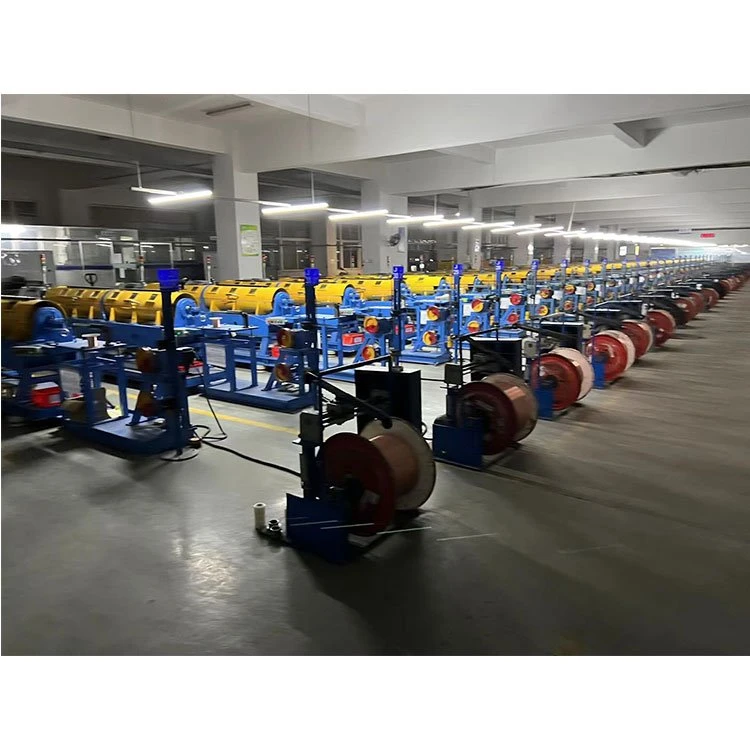
Moreover, maintaining a consistent stranding speed during the entire process is important. Fluctuations in the stranding speed can cause tension imbalances, so it is advisable to use a speed control system to ensure a stable operating speed.
4. Regular Machine Maintenance
Regular maintenance of the wire stranding machine is essential for balanced wire tension. This includes inspecting and replacing worn or damaged components, such as gears, bearings, and guiding rollers. Cleaning the machine regularly to remove dirt and debris can also prevent mechanical problems that may affect wire tension.
Our Stranding Machine Solutions
As a leading supplier of wire stranding machines, we offer a range of high - quality Stranding Machine solutions, including the 80/6 Horizontal Pipe Stranding Machine and the 165/18 Horizontal Pipe Stranding Machine. These machines are designed with advanced tension control systems to ensure uniform wire tension during the stranding process.
Our advanced tension control systems are integrated into the machine design, allowing for precise adjustment and monitoring of wire tension. The pay - off systems in our machines are also carefully engineered to ensure smooth and consistent wire release. With regular maintenance and proper operation, our wire stranding machines can help you achieve high - quality stranded wires with balanced tension.
Conclusion
Balancing the tension between different wires in a wire stranding machine is a complex but crucial task. By understanding the challenges of tension imbalance, the factors that affect wire tension, and implementing the appropriate solutions, you can ensure the production of high - quality stranded wires. As a supplier of wire stranding machines, we are committed to providing you with the best equipment and support to help you achieve optimal wire tension. If you are interested in our products or have any questions about wire stranding machine operations, please feel free to contact us for further information and procurement discussions.
References
- John, H., & Peter, K. (2020). Advanced Wire Stranding Technology. Mechanical Engineering Journal, 30(2), 123 - 145.
- Smith, A. (2019). Importance of Tension Control in Wire Manufacturing. Electrical Products Review, 15(3), 78 - 90.