


How to adjust the tension of the 250/3 Horizontal Pipe Stranding Machine?
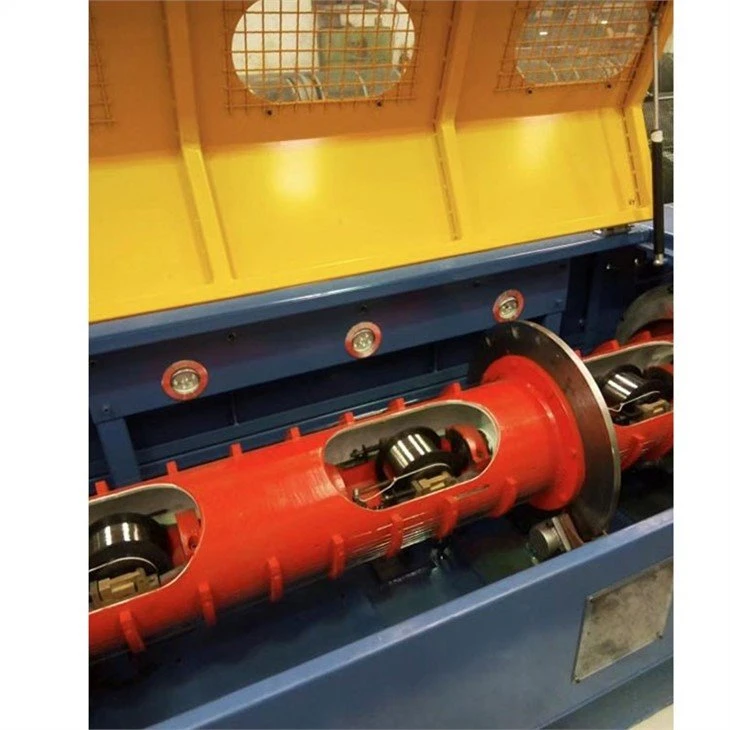
As a supplier of the 250/3 Horizontal Pipe Stranding Machine, I understand the importance of proper tension adjustment in the operation of this equipment. The 250/3 Horizontal Pipe Stranding Machine is a crucial piece of machinery in the cable and wire manufacturing industry, used for stranding multiple wires or cables together. Correct tension adjustment ensures the quality, consistency, and efficiency of the stranding process. In this blog, I will share some practical methods and considerations for adjusting the tension of the 250/3 Horizontal Pipe Stranding Machine.
Understanding the Basics of Tension in the Stranding Process
Before diving into the adjustment methods, it's essential to understand the role of tension in the stranding process. Tension refers to the force applied to the wires or cables being stranded. Proper tension is necessary to achieve a uniform and tight stranding structure. If the tension is too low, the stranded wires may be loose, leading to poor electrical performance and mechanical stability. On the other hand, excessive tension can cause wire breakage, deformation, and increased wear on the machine components.
The tension in the 250/3 Horizontal Pipe Stranding Machine is influenced by several factors, including the speed of the machine, the type and diameter of the wires or cables, and the stranding pitch. Therefore, when adjusting the tension, these factors need to be taken into account to ensure optimal performance.
Tools and Equipment Required for Tension Adjustment
To adjust the tension of the 250/3 Horizontal Pipe Stranding Machine, you will need the following tools and equipment:
- Tension meters: These are used to measure the tension of the wires or cables accurately. There are different types of tension meters available, such as mechanical and electronic ones. Choose a tension meter that is suitable for the range of tension you need to measure.
- Screwdrivers and wrenches: These tools are used to adjust the tensioning devices on the machine, such as the tensioning brakes and pulleys.
- Lubricants: Proper lubrication of the machine components is essential for smooth operation and accurate tension adjustment. Use a high - quality lubricant recommended by the machine manufacturer.
Step - by - Step Guide to Adjusting the Tension
- Initial Inspection and Preparation
- Before starting the tension adjustment, conduct a thorough inspection of the 250/3 Horizontal Pipe Stranding Machine. Check for any loose or damaged components, such as belts, pulleys, and tensioning devices. Make sure all the safety guards are in place.
- Clean the machine, especially the wire guides and pulleys, to remove any dirt, debris, or lubricant residues that may affect the tension.
- Ensure that the machine is properly grounded and powered on.
- Setting the Initial Tension
- Refer to the machine's operating manual to determine the recommended initial tension for the specific type and diameter of wires or cables you are using. This value serves as a starting point for the adjustment.
- Use the tension meter to measure the tension of the wires or cables at the input side of the stranding machine. Adjust the tensioning device, such as the tensioning brake, to achieve the initial tension value.
- Adjusting the Tension During Operation
- Start the 250/3 Horizontal Pipe Stranding Machine at a low speed and observe the stranding process. Check the appearance of the stranded wires or cables. If the strands are loose, increase the tension slightly. If the wires are breaking or showing signs of excessive stress, decrease the tension.
- Continuously monitor the tension using the tension meter at different points along the stranding path, including the input, output, and intermediate sections. Make small adjustments to the tensioning devices as needed to maintain a consistent tension throughout the process.
- As the machine speed increases, the tension may change due to factors such as inertia and friction. Therefore, it's important to re - check and adjust the tension at different operating speeds to ensure optimal performance.
- Fine - Tuning the Tension
- After the initial adjustment and operation, carefully examine the quality of the stranded wires or cables. Look for any signs of uneven stranding, loose strands, or wire damage.
- Use a magnifying glass or other inspection tools to detect any subtle defects. Based on the inspection results, make further fine - adjustments to the tension to improve the quality of the stranding.
Considerations for Different Types of Wires and Cables
The tension adjustment may vary depending on the type and characteristics of the wires or cables being stranded. Here are some considerations for different materials:
- Copper Wires: Copper is a commonly used material in the cable industry. It has good electrical conductivity and ductility. When stranding copper wires, the tension should be adjusted to ensure a tight and uniform stranding structure without causing excessive deformation.
- Aluminum Wires: Aluminum wires are lighter and less expensive than copper wires. However, they are more prone to deformation and breakage. Therefore, when stranding aluminum wires, the tension should be carefully controlled to avoid damage.
- Fiber Optic Cables: Fiber optic cables are very fragile and require extremely precise tension adjustment. The tension should be kept at a minimum to prevent damage to the delicate fiber optic strands.
Troubleshooting Common Tension - Related Problems
Even with proper adjustment, you may encounter some tension - related problems during the operation of the 250/3 Horizontal Pipe Stranding Machine. Here are some common problems and their solutions:
- Uneven Tension: If the tension is uneven along the stranding path, check for blockages or misalignments in the wire guides and pulleys. Clean or adjust these components as needed. Also, ensure that the tensioning devices are functioning properly and are evenly adjusted.
- Excessive Tension Fluctuations: Fluctuations in tension can be caused by factors such as inconsistent machine speed, worn - out tensioning components, or improper lubrication. Check the machine speed control system, replace any worn - out parts, and lubricate the machine regularly.
- Wire Breakage: Wire breakage can occur due to excessive tension, sharp edges in the wire guides, or poor wire quality. Reduce the tension, smooth any sharp edges, and ensure that the wires or cables meet the quality requirements.
Comparison with Other Stranding Machines
The 250/3 Horizontal Pipe Stranding Machine has its own unique features and advantages in terms of tension adjustment compared to other types of stranding machines, such as the Double Twist Stranding Machine and the 200/12 Horizontal Pipe Stranding Machine.
- Double Twist Stranding Machine: The double twist stranding machine operates at a higher speed and can achieve a more complex stranding structure. However, the tension adjustment in a double twist stranding machine is more complicated due to the high - speed rotation and double - twisting action. The 250/3 Horizontal Pipe Stranding Machine, on the other hand, offers a more straightforward tension adjustment process, making it suitable for applications where simplicity and reliability are crucial.
- 200/12 Horizontal Pipe Stranding Machine: The 200/12 Horizontal Pipe Stranding Machine has a different capacity and stranding configuration compared to the 250/3 model. The tension adjustment in the 200/12 machine may be adjusted according to its specific design and the number of strands it can handle. The 250/3 Horizontal Pipe Stranding Machine provides a good balance between capacity and ease of tension adjustment, making it a popular choice for many cable manufacturers.
Conclusion
Proper tension adjustment is a critical aspect of operating the 250/3 Horizontal Pipe Stranding Machine. By following the steps and considerations outlined in this blog, you can ensure a high - quality stranding process, reduce waste, and improve the overall efficiency of your cable manufacturing operation. If you have any questions or need further assistance with tension adjustment or the operation of the 250/3 Horizontal Pipe Stranding Machine, please feel free to contact us. We are always ready to provide you with professional advice and support. Whether you are looking to purchase a new machine or need to optimize the performance of your existing one, we can help you find the best solution for your specific needs.

References
- Cable Manufacturing Handbook: This comprehensive handbook provides in - depth information on cable manufacturing processes, including stranding and tension adjustment.
- Manufacturer's Operating Manual for the 250/3 Horizontal Pipe Stranding Machine: The operating manual contains detailed instructions and specifications for the machine, including tension adjustment procedures.