


Hey there! As a supplier of Wire Stranding Machine, I've got a bunch of insights to share about adjusting the stranding pitch of a wire stranding machine. It's a crucial aspect that can significantly impact the quality and performance of the stranded wires. So, let's dive right in!
First off, let's understand what stranding pitch is. The stranding pitch refers to the distance along the axis of the stranded wire that one strand makes a complete revolution around the others. It's like how far a screw thread moves in one turn. Getting the right pitch is super important because it affects the flexibility, strength, and electrical properties of the final product.
Now, there are a few key factors to consider when adjusting the stranding pitch. The type of wire you're working with is a biggie. Different materials have different characteristics, like stiffness and ductility. For example, copper wires are more flexible compared to steel wires. So, you'll need to adjust the pitch accordingly to ensure a proper and uniform strand.
The number of wires in the strand also plays a role. If you're stranding a large number of wires, you might need a different pitch than when working with just a few. A higher number of wires often requires a finer pitch to keep everything tightly packed and well - organized.
Okay, let's get into the actual process of adjusting the stranding pitch. Most modern wire stranding machines come with adjustable mechanisms. One common way is through the use of gears. By changing the gear ratio, you can alter the speed at which the wires are twisted, which in turn affects the pitch.
Let's say you're using a 200/6 Horizontal Pipe Stranding Machine. To adjust the pitch using gears, you'll first need to identify the gearbox. Usually, there are markings on the gears that indicate their tooth count. You can swap out gears with different tooth counts to change the ratio. A higher tooth - count gear on the driving side will result in a coarser pitch, while a lower tooth - count gear will give you a finer pitch.
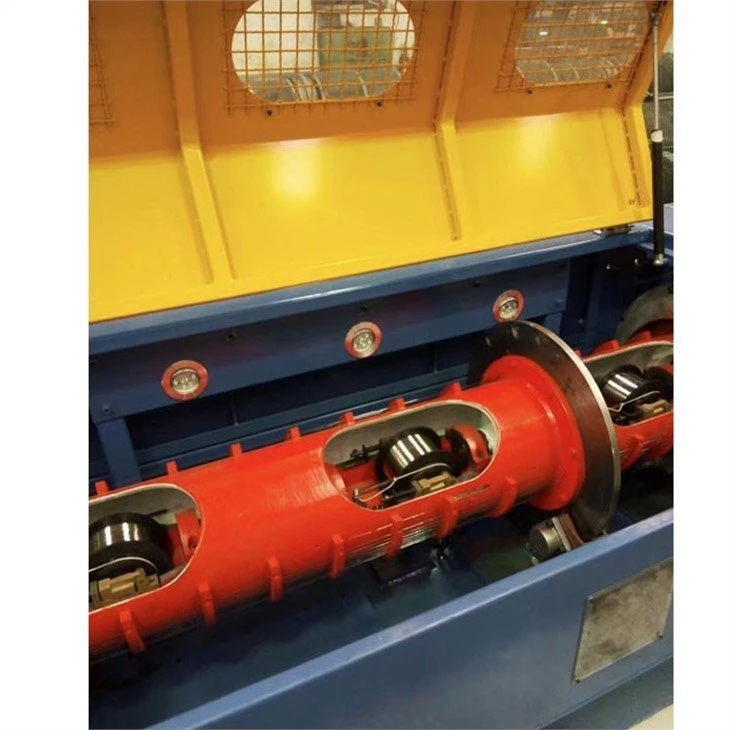

Another method is through the use of variable speed drives. These drives allow you to control the rotational speed of the stranding head. By increasing or decreasing the speed, you can adjust the pitch. For instance, if you want a finer pitch, you can slow down the rotation of the stranding head. This gives the wires more time to twist around each other, resulting in a closer pitch.
When making these adjustments, it's essential to test the stranded wires regularly. You can use a simple measuring tool, like a caliper, to measure the pitch. Take multiple measurements along the length of the stranded wire to ensure consistency. If the pitch is too coarse, the wires might not be tightly bound, which can lead to issues like fraying or poor electrical conductivity. On the other hand, if the pitch is too fine, the wires could be over - stressed, making them more prone to breakage.
Let's talk about some common problems you might encounter during the pitch adjustment process. One issue is uneven pitch. This can happen if the gears are not properly meshed or if the variable speed drive is not calibrated correctly. To fix this, you'll need to check the alignment of the gears and make sure the drive is set to the correct speed.
Another problem is a change in pitch over time. This can be due to wear and tear on the machine components. Regular maintenance is key to preventing this. Make sure to lubricate the gears and check the belts for any signs of damage. Replace any worn - out parts promptly to keep the pitch consistent.
Now, let's consider the impact of the stranding pitch on different applications. In the electrical industry, a precise pitch is crucial for ensuring good electrical conductivity. For example, in power cables, a consistent pitch helps to minimize resistance and reduce power losses. In the automotive industry, stranded wires with the right pitch are used in wiring harnesses. A proper pitch ensures that the wires can withstand vibrations and mechanical stress without breaking.
If you're using a 250/3 Horizontal Pipe Stranding Machine, the adjustment process is similar but might have some machine - specific nuances. Always refer to the machine's manual for detailed instructions.
In conclusion, adjusting the stranding pitch of a wire stranding machine is a skill that requires a good understanding of the machine, the wire materials, and the desired end - product. By following the right procedures and regularly testing and maintaining the machine, you can achieve a perfect pitch every time.
If you're in the market for a high - quality wire stranding machine or need more advice on pitch adjustment, we're here to help. Whether you're a small - scale workshop or a large industrial operation, our machines are designed to meet your needs. Reach out to us for a consultation, and let's start a conversation about how we can enhance your wire - stranding process.
References:
- "Wire Stranding Technology Handbook"
- Manufacturer's manuals for wire stranding machines