


Hey there! As a supplier of wire stranding machines, I often get asked about how often the spare parts of these machines should be replaced. It's a crucial question because the right replacement schedule can keep your machine running smoothly and save you from unexpected breakdowns.
Let's first understand why replacing spare parts at the right time is so important. Wire stranding machines are complex pieces of equipment that work under high stress and constant friction. Over time, the parts wear out, and if not replaced, they can lead to reduced machine efficiency, poor product quality, and even complete machine failure. So, a well - thought - out replacement schedule is key to maintaining the machine's performance.
Now, the replacement frequency of spare parts depends on several factors. One of the main factors is the type of wire stranding machine. For example, our 200/9 Horizontal Pipe Stranding Machine is designed for specific production volumes and wire types. Its spare parts might have a different replacement schedule compared to the 165/6 Horizontal Pipe Stranding Machine or the 165/12 Horizontal Pipe Stranding Machine.
The usage intensity also plays a big role. If your machine is running 24/7 in a high - volume production environment, the parts will wear out faster than if it's used only occasionally. A machine that's used for long hours every day is under more stress, and parts like bearings, gears, and belts will need to be replaced more frequently.
The quality of the wire being stranded is another factor. If you're working with abrasive or high - tensile wires, they can cause more wear and tear on the machine parts. For instance, stranding thick copper wires might put more stress on the dies and rollers compared to thinner, more flexible wires.
Let's break down the replacement schedules for some common spare parts.
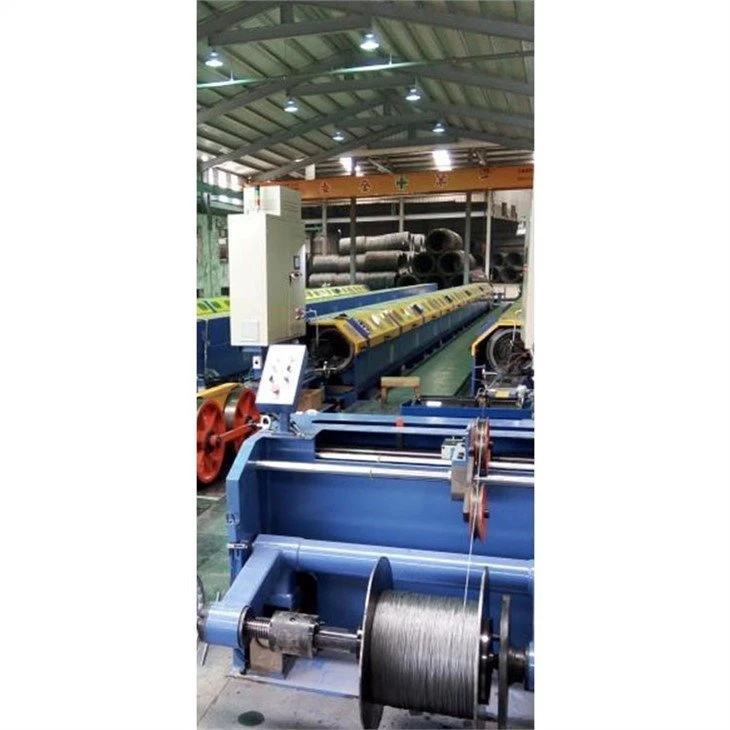

Bearings
Bearings are essential for smooth rotation in wire stranding machines. They reduce friction between moving parts. In a moderately used machine, bearings usually need to be replaced every 6 - 12 months. However, in a high - intensity production setup, this interval might be reduced to 3 - 6 months. You can tell if a bearing is going bad by listening for unusual noises, like grinding or rattling. Vibration in the machine can also be a sign of a worn - out bearing.
Gears
Gears are responsible for transmitting power and controlling the speed of the machine. In a normal production environment, gears can last anywhere from 12 - 18 months. But if the machine is frequently overloaded or if there's improper lubrication, the gears can wear out much faster. Signs of gear wear include difficulty in shifting speeds, strange noises during operation, and a decrease in the machine's overall power.
Belts
Belts are used to transfer power from the motor to different parts of the machine. Their replacement frequency depends on the type of belt and the tension applied. Generally, belts should be checked every 3 - 6 months. If you notice signs of cracking, fraying, or if the belt has lost its tension, it's time for a replacement. A loose or worn - out belt can cause slippage, which affects the machine's performance.
Dies and Rollers
Dies and rollers are in direct contact with the wire during the stranding process. Their lifespan is highly dependent on the wire material and the production volume. For machines working with standard wires, dies and rollers might need to be replaced every 3 - 6 months. But when dealing with tougher materials, this could be as often as every 1 - 3 months. Signs of wear on dies and rollers include uneven wire stranding, scratches on the wire surface, and an increase in the amount of scrap produced.
Lubrication Systems
The lubrication system is crucial for reducing friction and preventing overheating. Filters in the lubrication system should be replaced every 3 - 6 months to ensure clean oil circulation. The oil itself should be changed according to the manufacturer's recommendations, which is usually every 6 - 12 months. If the lubrication system isn't properly maintained, it can lead to premature wear of other parts.
To keep track of the replacement schedule, it's a good idea to maintain a maintenance log. Note down when each part was last replaced and keep an eye on the machine's performance. Regular inspections by a qualified technician can also help in identifying potential issues before they turn into major problems.
In addition to following a regular replacement schedule, it's important to use high - quality spare parts. Using cheap, low - quality parts might save you money in the short term, but they can lead to more frequent breakdowns and higher long - term costs.
If you're unsure about the replacement schedule for your specific wire stranding machine, don't hesitate to reach out to us. We have a team of experts who can provide you with detailed advice based on your machine model, usage, and production requirements. Whether you're using our 200/9 Horizontal Pipe Stranding Machine, 165/6 Horizontal Pipe Stranding Machine, or 165/12 Horizontal Pipe Stranding Machine, we've got you covered.
If you're in the market for new spare parts or a new wire stranding machine, we'd love to have a chat with you. We can offer you the best products and solutions to meet your production needs. Just get in touch with us, and let's start the conversation.
References
- General knowledge from years of experience in the wire stranding machine industry.
- Manufacturer's manuals for wire stranding machines.